August 31st, 2010 §
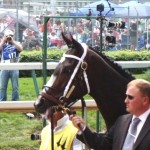
Last weekend, Rachel Alexandra held a match race.
It’s wasn’t an official match race.
Other contenders were in the field.
And, the match race wasn’t against Zenyatta.
But, it was against a horse that was riding a record of six consecutive victories – Life at Ten.
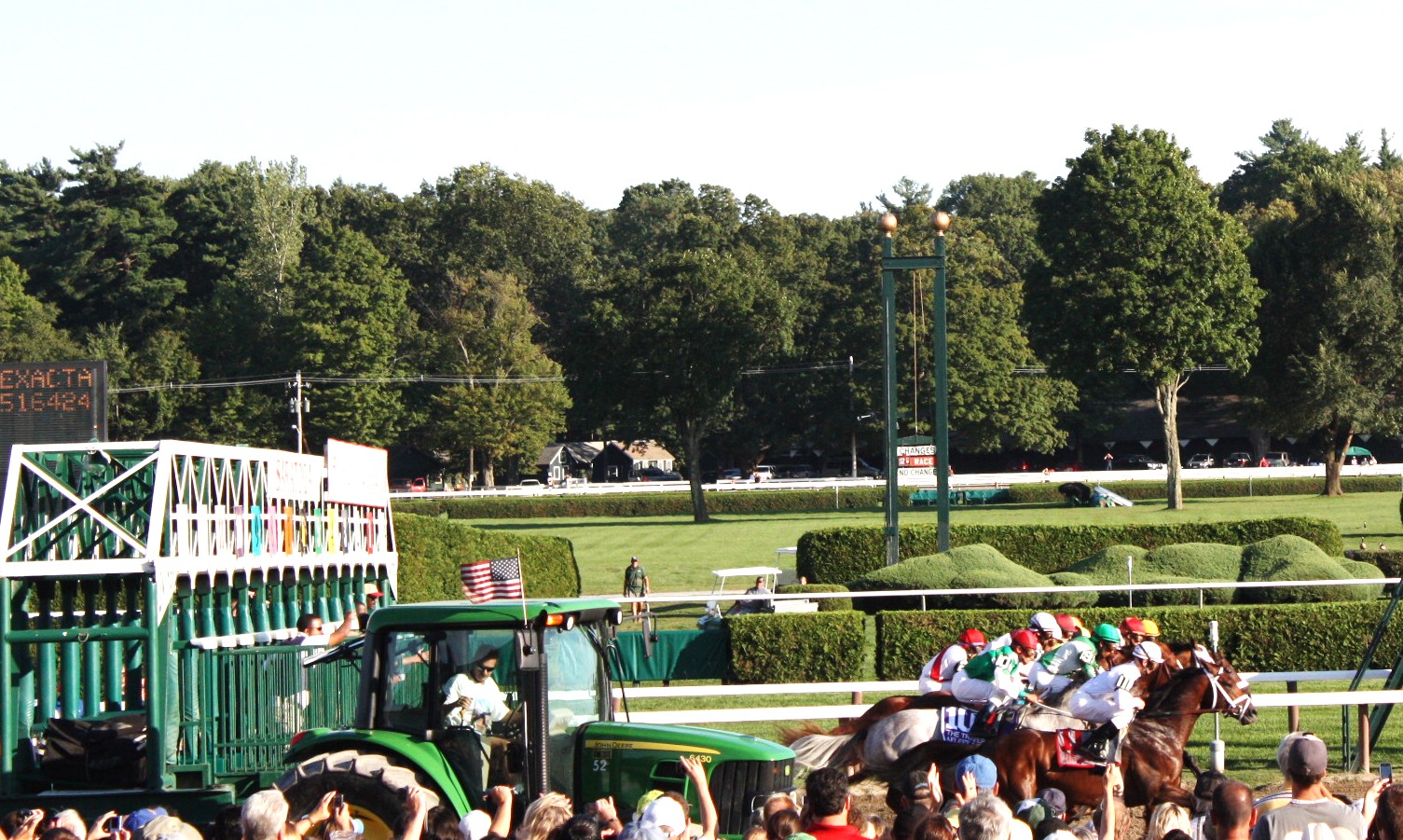
Officially, Persistently won the Personal Ensign at Saratoga. It was a great victory for a horse with final odds of 19-1 as she entered the gates against a top-notch field.
And, Persistently deserves respect for beating the reigning Horse of the Year while clinching her first Grade I career victory.
Yet, in my mind, there was a race inside the race.
It was a match race between Rachel Alexandra and Life at Ten.
It was a race between the reigning Horse of the Year and a rival who had been undefeated in her last six consecutive starts.
Sound familiar? It was similar to the match race that the racing community has pondered since Zenyatta crossed the finish line in the Breeder’s Cup Classic.
Life at Ten slammed her six-race undefeated record on the line to square-off with reigning Horse of the Year, Rachel Alexandra.
And, neither of them won the official race.
But, there was a race inside the race.
The rest of the contenders fought against the field.
Yet, Rachel and Life at Ten fought against each other in a match.
And, in the first two-turns, racing saw something stunning. The two great horses called a match, dug-in, blew past their rivals and shot out on their own.
Stride-for-stride, they fought like warriors against each other in a forgotten field of fellow contenders.
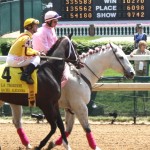 It was if Rachel said, “Fine. If a match race is what you want, I’m delivering it. Right here. Right now. On my terms.”
It was gutsy. It was beautiful. It was stunning.
It displayed the pure glory of Rachel Alexandra that led to her coronation as Horse of the Year in 2009.
Yet, in reality, she lost the Personal Ensign.
And, since the race, the focus shifted toward the defeat of Rachel by Persistently.
But, there was a race inside the race.
It was a match race between two great horses.
It was the moment that Rachel stomped out, picked her own opponent and started a match race on her own terms and timing.
And, Rachel claimed a personal victory when she finished in front of Life at Ten.
She may have not run the match race that racing wanted to witness.
Nor did she pick the opponent that many saw fit.
And, she didn’t win the Personal Ensign.
But, there was a race inside that race.
It was a match race.
And, Rachel Alexandra won the match.
To see footage of the Personal Ensign, click here.
August 30th, 2010 §
August 26th, 2010 §
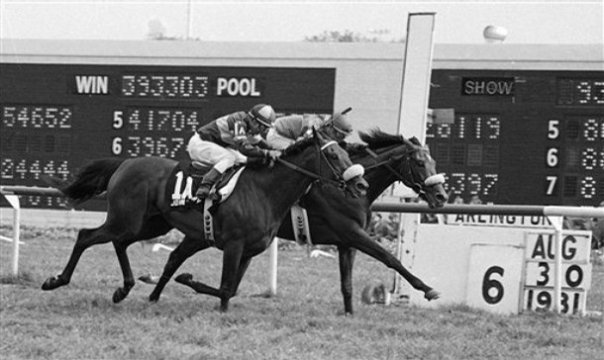
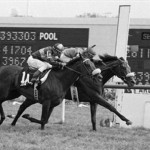 In 1981, John Henry became the inaugural winner of the Arlington Million, the world’s first million-dollar purse, after overtaking The Bart in a photo finish.
The inaugural race is commemorated at Arlington Park with the statute, “Against All Odds,” showing John Henry’s seemingly impossible victory.
John Henry simply refused to let himself get beat when the odds were stacked against him.
And, the odds were stacked against him.
John Henry began as a horse that was supposed to get beaten in races.
He was dismissed as small and mean.
He didn’t have a great pedigree.
His ownership changed hands for pennies on the dollar in his early years.
No one wanted the poor guy.
And, no one expected him to be a good race horse.
Except, John Henry himself.
One day, John Henry decided that he was done being beaten in races.
He packed up his no-name pedigree and low expectations.
He went to the track set out to prove he could win.
And, John Henry prospered in the end.
John Henry won millions in his career and set milestones that defied the odds.
Sixteen years after John Henry claimed his second Arlington Million victory in 1984, Gio Ponti set out to match John Henry’s two-time winning record in the Arlington Millions last Saturday.
Gio Ponti entered the race as the favorite.
He had already won the Arlington Million in 2009.
It seemed a foregone conclusion that Gio Ponti had the race licked from the start.
Yet, Gio Ponti was racing on John Henry’s record-holding ground.
And, John Henry had already proved that anything can happen on that ground.
In the backdrop of Gio Ponti’s bid to match John Henry’s two-time winning record, two horses quietly arrived in the stables at Arlington Park.
The horses had never raced in the United States.
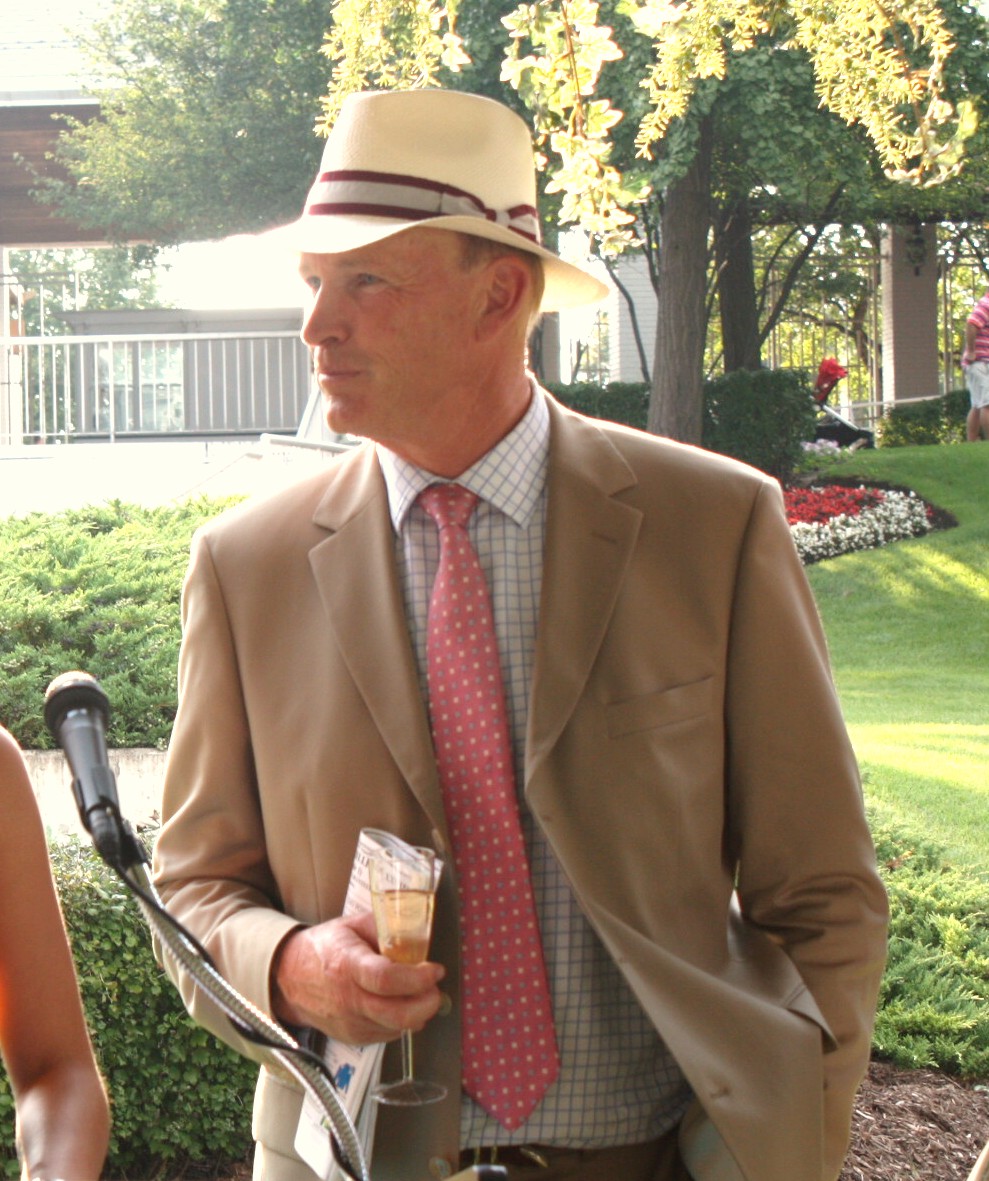
 The trainer of both horses, John Gosden, had sought to win the Arlington Million for 28 years.
Gosden had run his first horse in the race in 1982.
In the years that followed, he raced a total of seven horses in the Arlington Million and victory had eluded him at every outing.
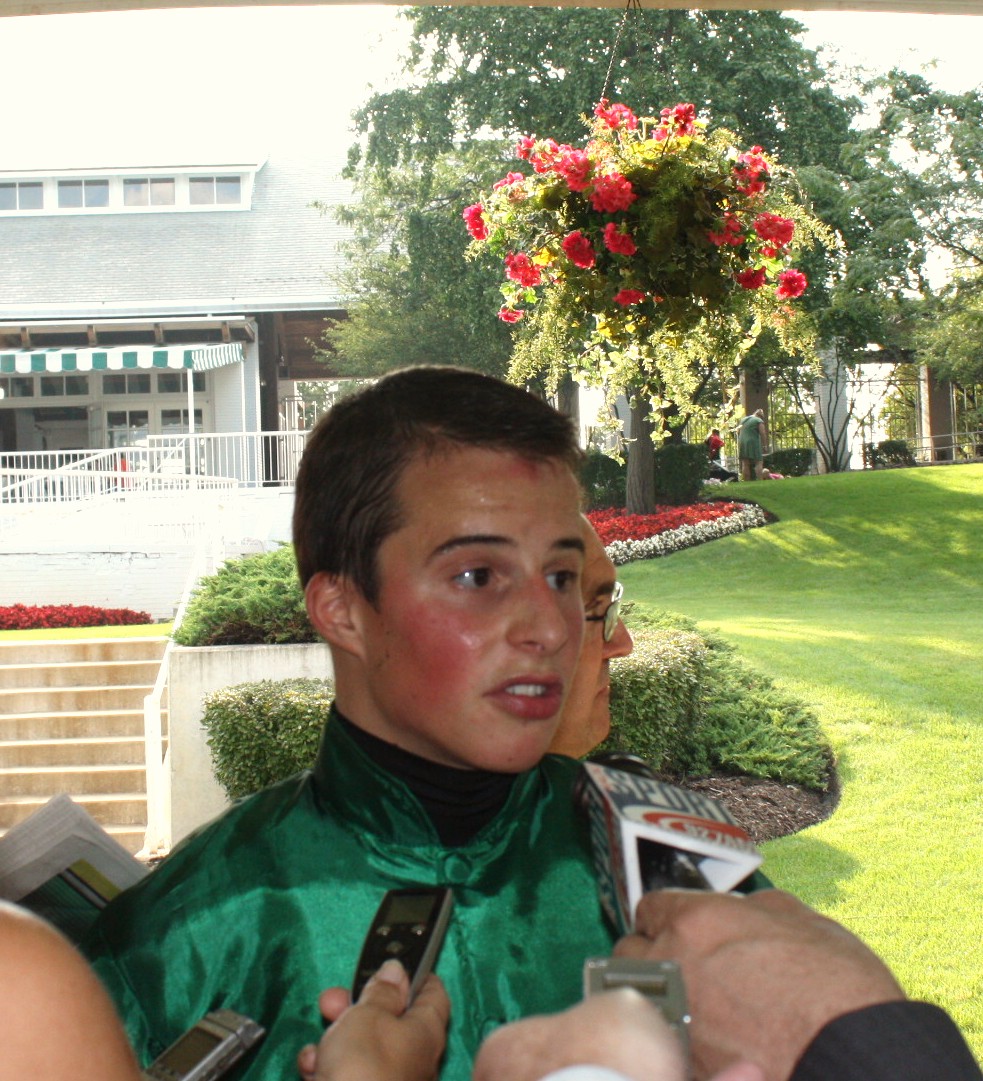
In January, Gosden signed a 22-year-old Jockey to his overseas stable – William Buick.
Despite being an up-and-coming jockey in England, Buick had never won a race in the United States.
And, it was Buick’s first time racing in the Arlington Million.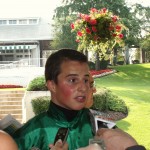
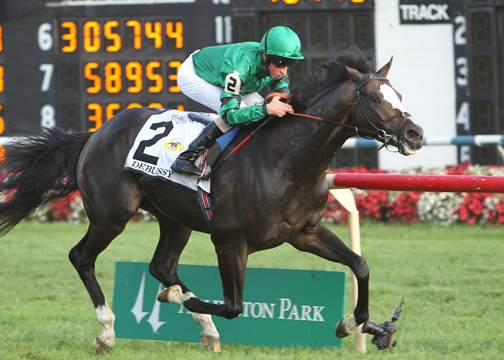
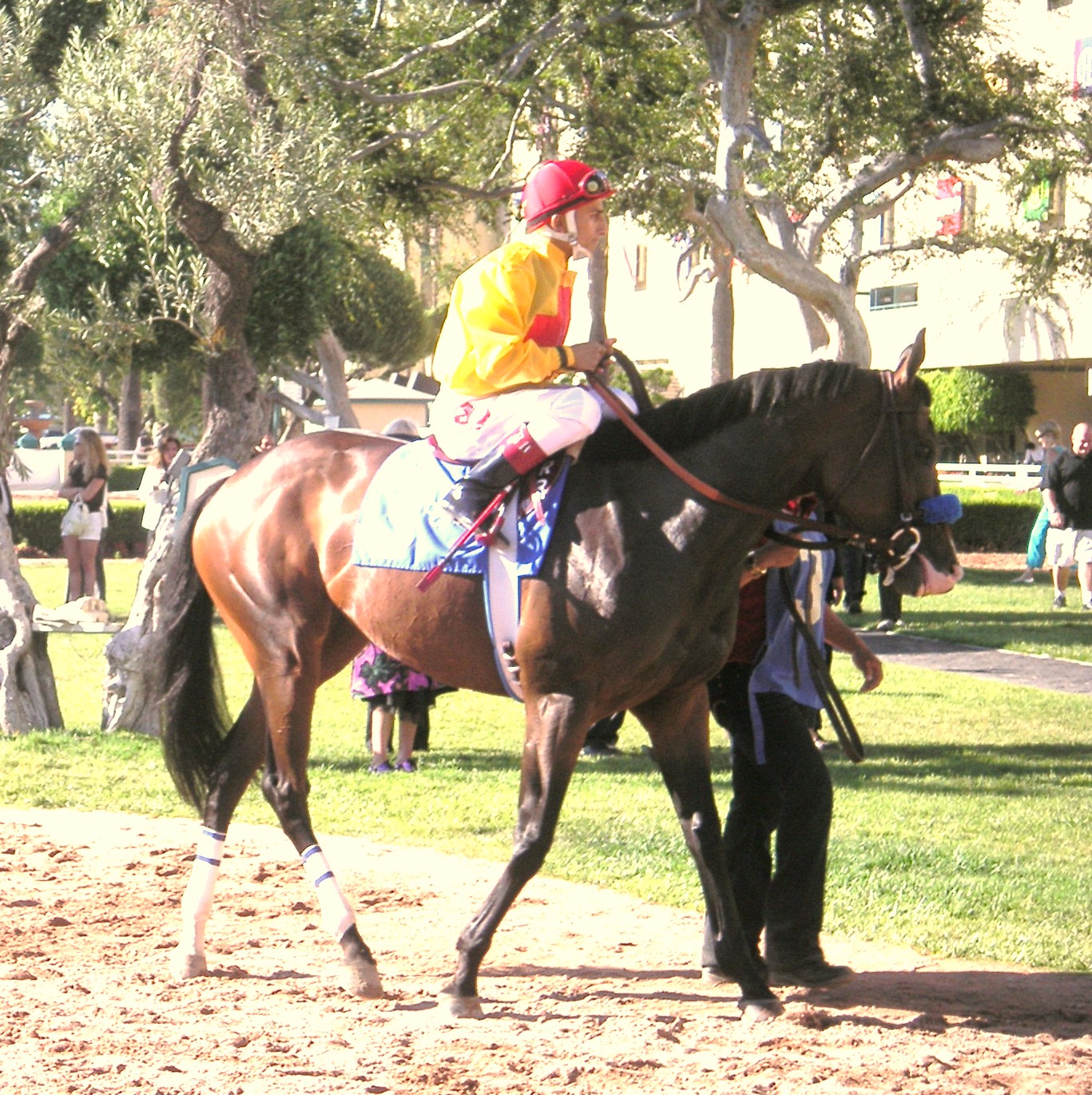
Buick was set to ride Debussy, who entered the gates with final odds of 11-1.
Debussy was competing in the Arlington Million alongside his stable mate, Tazeez.
Tazeez had all the pizzazz of a serious contender.
His betting odds were roughly half of those pegged against Debussy.
In his four starts in 2010, Tazeez hit the board on all occasions.
In contrast, Debussy had only won one race in five starts as a four-year-old.
He never hit the board in the surrounding races.
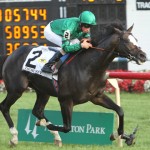 At Gosden’s training stable, Debussy and Tazeez raced each other in workouts.
Tazeez regularly beat Debussy.
It seemed Debussy was almost brought along for the ride, rather than with the idea that he could actually win the Arlington Million.
Yet, like John Henry, Debussy had other plans that day.
He was willing to fight against all odds.
When the gates opened, Tazeez reared while leaving the gate and lost a few lengths at the start.
He eventually caught the pace alongside long shot, Quite a Handful.
And, by the time Tazeez hit the final stretch, he had easily recovered from his rocky start to run 2½ lengths in front of the rest of the field.
It appeared Tazeez had it licked.
Then, Gio Ponti strode past Tazeez like a Rolls Royce and took the lead.
It seemed as if it truly was a foregone conclusion that John Henry’s two-time winning record in the Million was going to be matched by Gio Ponti.
Yet, John Henry doesn’t stand among the ranks of those who are supposed to be good.
He stands with those who have the desire to succeed where failure is seemingly a foregone conclusion.
While Gio Ponti was soaking in the spotlight, he started “idling a little bit, maybe looking at the stands or something,” said his jockey, Ramon Dominguez.
Meanwhile, Debussy struggled in the back of the pack.
He was blocked behind horses.
But, Debussy didn’t see failure as a foregone conclusion.
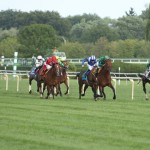 Buick explained, “I kept riding the rail, riding the rail. On the last bend, I had no room, but so much horse. Then, a hole opened. I kind of shut my eyes and then I saw he was through.”
Just like John Henry, Debussy made a decision that day.
He was done getting beaten on the track.
Debussy packed up his defeated record, bad trip and poor odds.
He set out to win the Arlington Million.
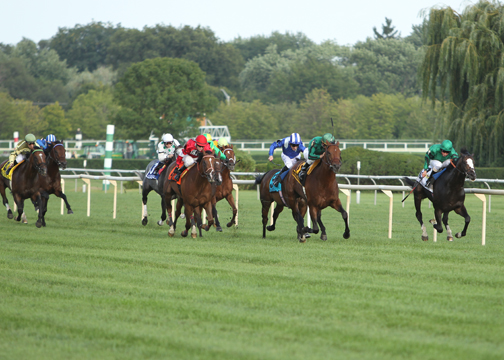
Debussy hugged the rail and drove past his rivals that blocked his path.
And, in his victory, Debussy showed a stunning display of determination to stomp out the odds against him.
It was his first Grade I victory.
It was his first time racing in the United States.
It was William Buick’s first win in North America.
And, it was the culmination of Gosden’s twenty-eight year dream of winning the race.
Debussy delivered it against all odds.
And, he did it without setting out to match John Henry.
Instead, Debussy’s victory paid a tribute to John Henry.
It was a tribute to John Henry’s hard-fought principle that anything can happen in a race where the drive to succeed outweighs the odds against the horse.
Debussy took that lesson to heart.
While racing on the ground where John Henry delivered one of the greatest testaments to the principle, Debussy decided he was done with defeat.
He won against the odds.
He won against his stable mate.
He won against the favorite.
He won one for John Henry.
Thank you to Horsephotos.com for the use of the photos of Debussy in the Arlington Millions. To comment on this article, click here.
August 9th, 2010 §
Luck is an interesting thing.
You find it when you least expect it.
And, in some moments, luck finds you.
In the case of Blind Luck, it arrives when you’re not looking.
In April of 2007, a mare named Lucky One gave birth to a foal in Kentucky at Fairlawn Farm.
The foal’s father, Pollard’s Vision, was blind in one eye and had been named for sharing the same trait with Red Pollard, Seabiscuit’s Jockey.
After multiple graded-stakes victories during his career, Pollard’s Vision was eventually retired after his final race at Saratoga in August of 2005.
It was the same track where he had begun his career with a 12½ length maiden victory.
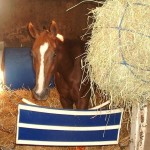 A few years after Pollard’s Vision ran his last race at Saratoga, the daughter of the half-blind horse and the one “lucky” mare was entering the sales ring.
She was initially sold as a yearling for $11,000 at the 2008 Fasig-Tipton Kentucky July sale.
Roughly a year later, the two-year-old filly was back in the ring at auction.
In April of 2009, she was entered in the Ocala Breeder’s April sale. After failing to garner serious attention from bidders, the filly was bought back for $10,000.
Roughly two months later, the filly set foot on the track for a $40,000 maiden claiming race at Calder Race Course.
It was the first time her name appeared in a program.
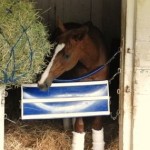 “Blind Luck.”
As she entered the gates, the $10,000 filly faced odds of 5 to 1 from the betting public.
But, luck doesn’t mind odds.
The sheer nature of luck is beating them.
As Blind Luck claimed a 13¼ length maiden victory, she began to mirror Pollard’s Vision in finding the Lucky One.
Blind Luck cleared her maiden race in the same runaway fashion as her father had done in his 12½ length maiden race at Saratoga.
Yet, few saw Blind Luck when she appeared in the gates – she didn’t get claimed in her debut.
The nature of luck can elude the eyes.
Yet, luck didn’t elude Pollard’s Vision.
And, after the race, Blind Luck didn’t escape the vision of Trainer Jerry Hollendorfer.
After she broke her maiden by 13¼ lengths, Hollendorfer privately purchased Blind Luck.
He saw a stakes-bound horse.
And, Blind Luck agreed.
In her next eight starts, Blind Luck captured five victories – four of which were in Grade 1 races.
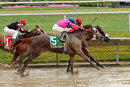 In April of 2010, Blind Luck was shipped from California to Kentucky to challenge a field of rivals in the Kentucky Oaks.
As the gates opened, Blind Luck hung at the back of the pack as the rest of the contenders bulleted around the oval.
It appeared her luck had run out.
Then, Blind Luck took hold in the race.
As the field turned for the wire, Blind Luck picked off her rivals in a heart-stopping victory.
She won by a nose.
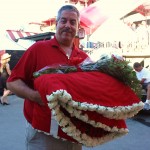
As Blind Luck was draped in a Garland of Lilies, she proved Pollard’s Vision correct.
Blind Luck had just claimed her fourth Grade 1 victory.
And, it appears her luck isn’t running out.
In her last race, Blind Luck nipped her rivals at the wire in the Delaware Oaks to claim her eighth victory in twelve career starts.
As Blind Luck heads toward Saratoga for the Alabama Stakes, she will race around the same circle where Pollard’s Vision started and finished his career.
And, as she stamps out her own hoof print on the Saratoga track, she is a perfect vision of luck.
Blind Luck.
August 8th, 2010 §
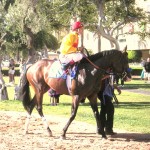
Today, turf champion Tuscan Evening unexpectedly passed away following a workout at Del Mar.
The Irish-bred mare leaves behind a legacy that includes winning 12 of her 16 starts in the United States.
In the fall of 2008, Owner William De Burgh privately purchased Tuscan Evening as three-year-old maiden and shipped her to the United States.
De Burgh sent Tuscan Evening to Jerry Hollendorfer’s stable to train for her 2009 campaign as a four-year-old.
As the time she joined the stable, Tuscan Evening had never won a race.
Her record did not stop Hollendorfer’s stable from believing in her talent.
On January 22, 2009, Tuscan Evening made her first U.S. start in a maiden race at Santa Anita Race Track. She clinched a five-length victory.
After her maiden victory, she followed her maiden with a 3 ¾ length victory in an allowance race at Santa Anita.
Throughout her 2009 season, Tuscan Evening scored six victories, including her maiden, in ten starts. Of her six victories, two came in graded races.
In 2010, Tuscan Evening remained undefeated as a five-year-old after running in six graded races, including the Grade 1 Gamely Stakes. In three of her last four starts, she led the race wire-to-wire.
The Hollendorfer team put their unflinching faith and love into Tuscan Evening.
They patiently took a winless horse and slowly developed her into a turf champion.
They gave their full heart in doing so.
And, in a sad ending, Tuscan Evening gave her heart in return.
Love is a fragile thing.
But, it goes undefeated.
August 3rd, 2010 §
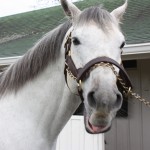
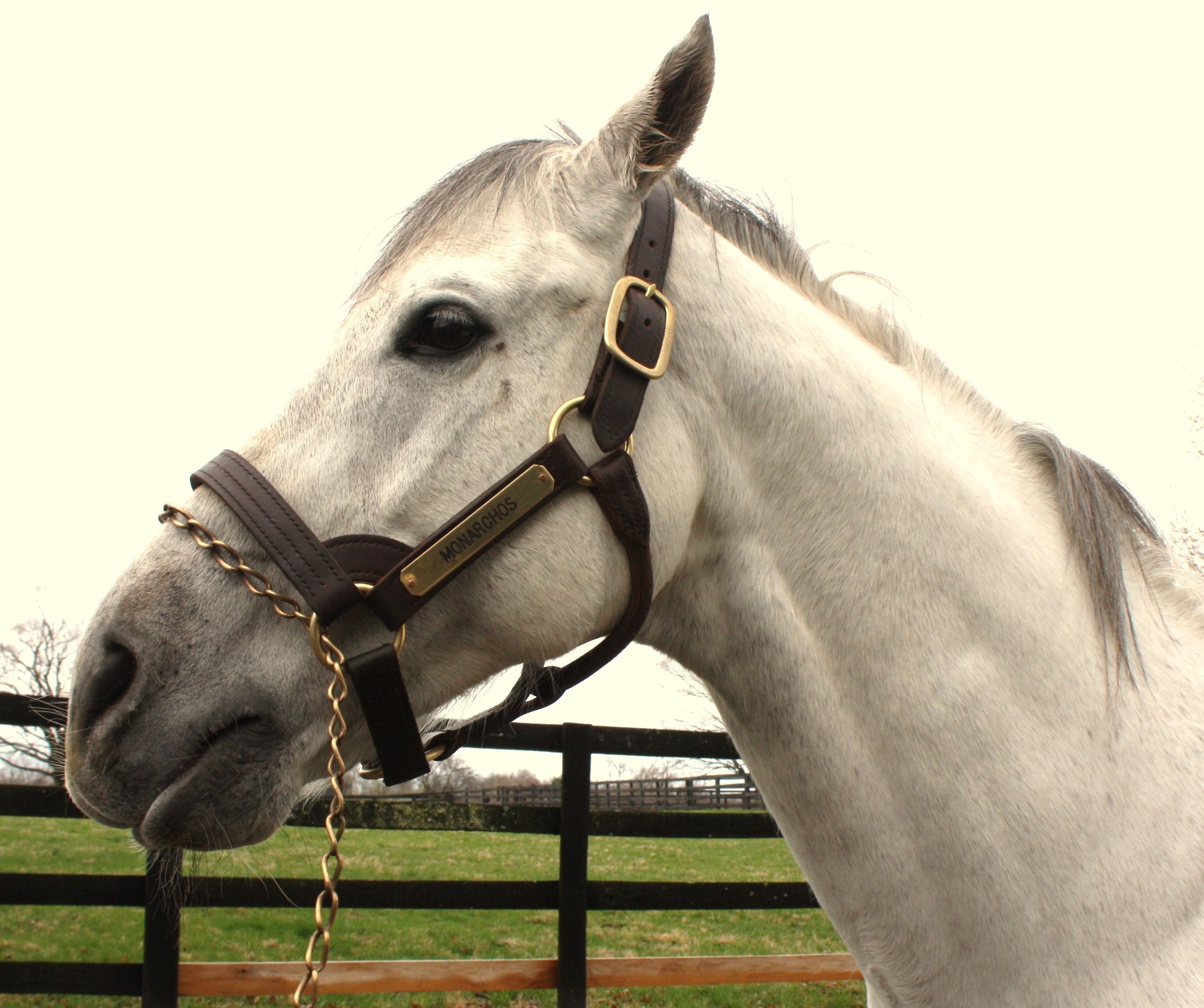
Earlier this year, I visited Kentucky to meet Monarchos.
I wanted to see the fastest living Kentucky Derby winner in the flesh.
It was just as simple as that.
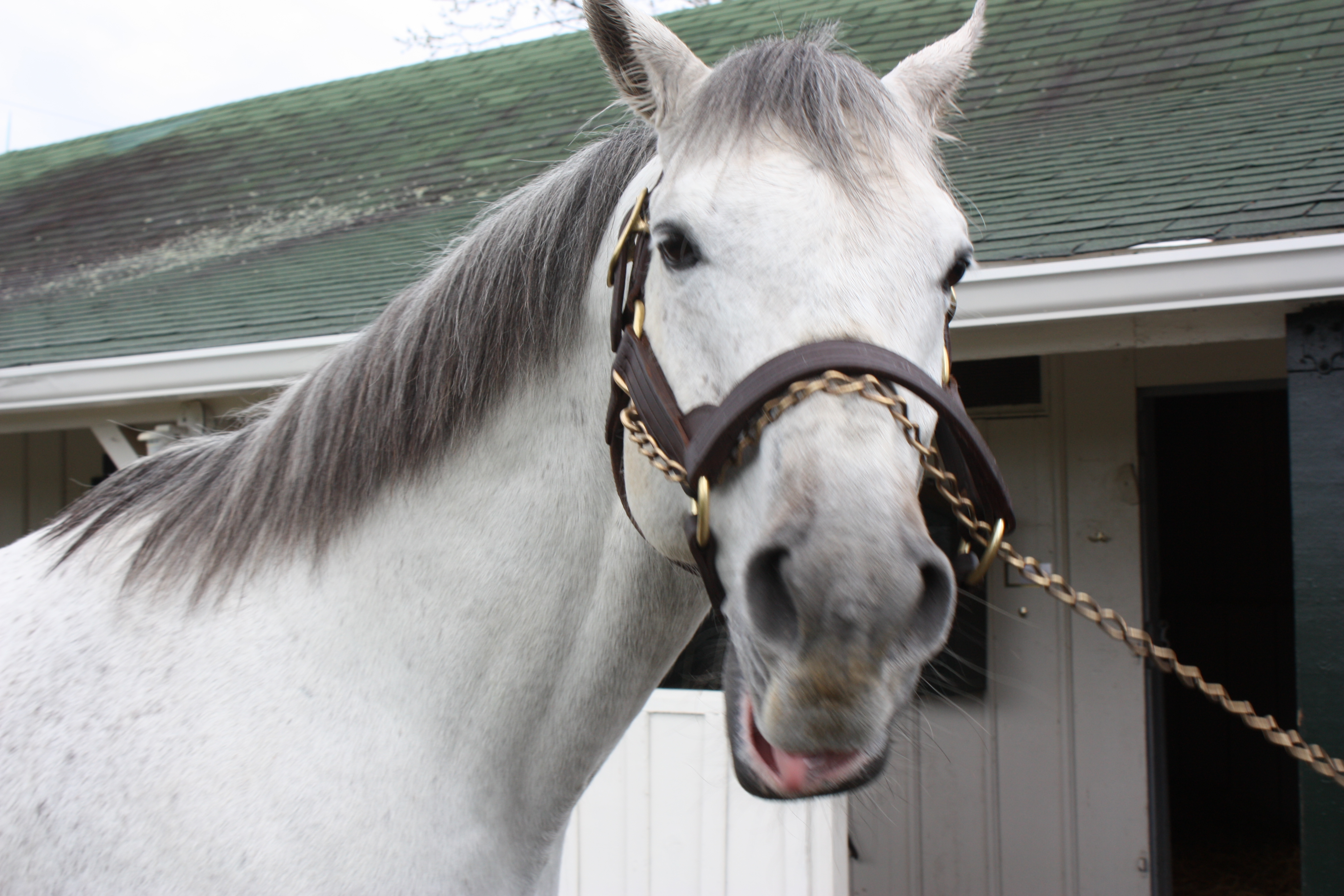
As the big gray champion emerged from his stable, Monarchos was well-mannered and kind. He allowed himself to be pet, stood patiently for photographs, and gently devoured my bag of carrots with delight.
I was thrilled about my visit with Monarchos.
He is a celebrity in my world.
And, it is always nice to find out that your celebrities are truly kind at heart.
When I returned home from Kentucky, I realized that Monarchos is just a gray horse to many of my friends outside the racing universe.
It was just as simple as that.
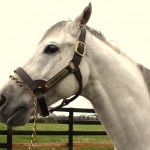 “How was the Kentucky Derby?” I was asked by one friend.
I had to find a nice way to tell my friend that the Kentucky Derby hadn’t occurred yet.
When I mentioned that I visited Monarchos, another friend asked, “Is that your horse?”
I didn’t own a horse at that point. And, if I owned Monarchos, I certainly would have mentioned my Kentucky Derby winning horse in earlier conversations.
This was my first experience of trying to explain horse racing to non-enthusiasts.
Nothing was simple about it.
Shortly after these conversations, I invested in a horse. He’s a two-year-old in training and hasn’t been entered in any races.
However, my small investment created a giant misunderstanding among my non-racing enthusiast friends.
Zenyatta stood at the center of the confusion between the two worlds.
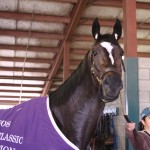 I talked about Zenyatta’s undefeated record at cocktail parties and my friends would ask how she is doing.
I kept saying, “She’s still undefeated!”
It was just as simple as that.
I thought we had arrived at a common ground.
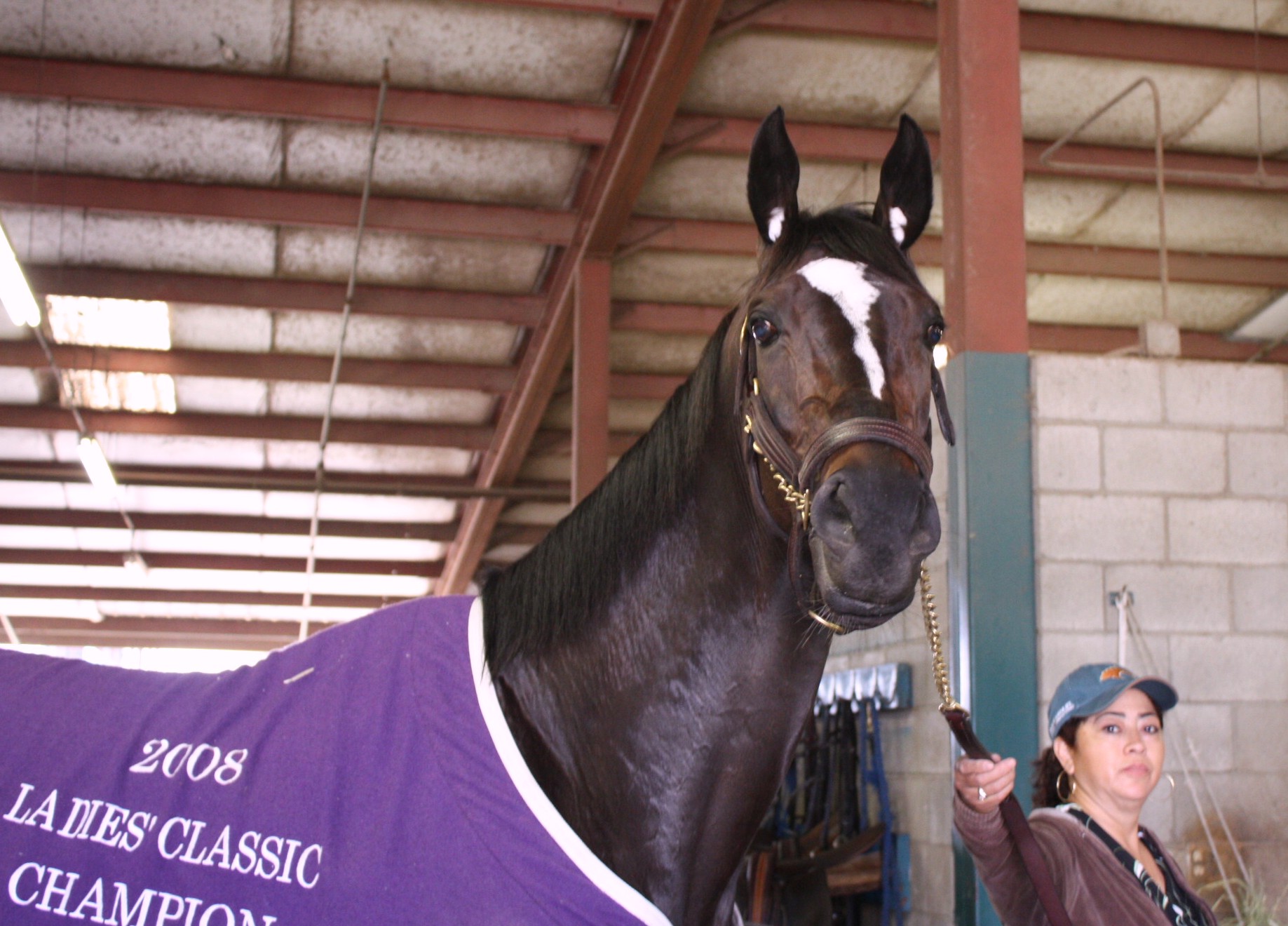
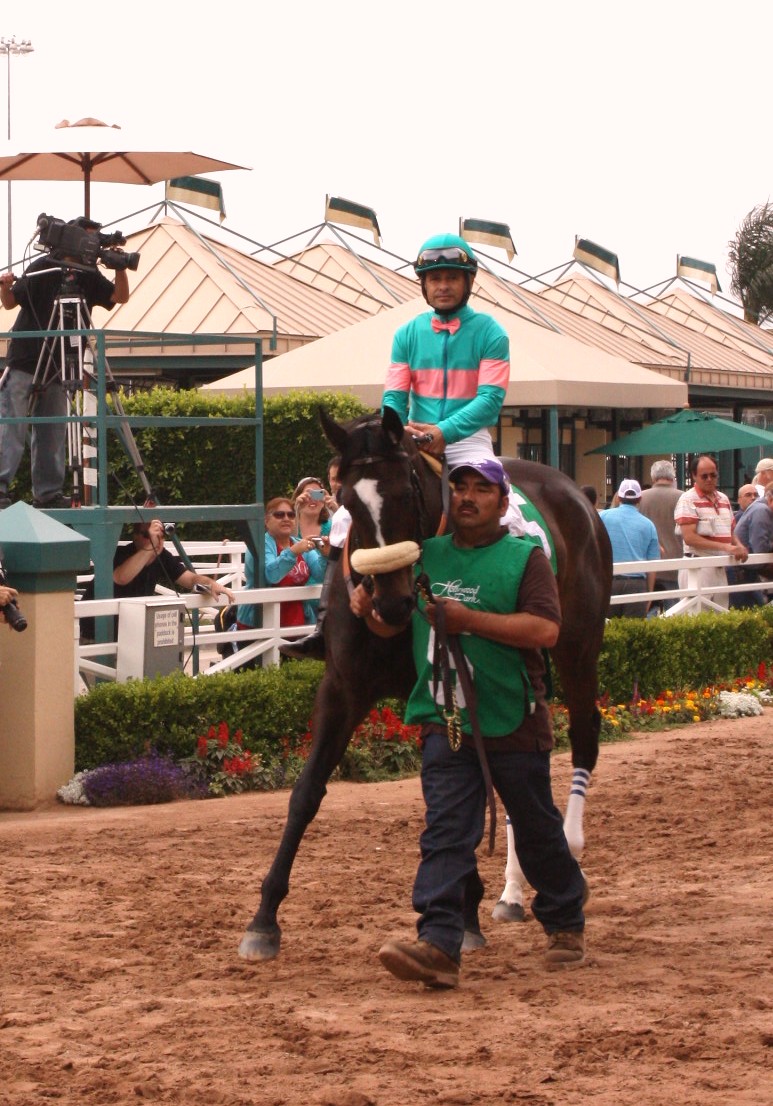
Then, I went to Hollywood Park to watch her claim her seventeenth career victory in the Vanity Handicap.
When I made a photo album of the trip, a friend asked “How did your horse do in her race?”
I replied, “I wish I owned Zenyatta.”
In my mind, it was just as simple as that.
However, when I had to explain in greater depth that I don’t own Zenyatta, the confusion on my friend’s face spoke volumes.
It was as if to say, “Why don’t you?”
I went on to explain that Zenyatta has made roughly $6 million in her career and has remained undefeated in seventeen consecutive races. She’s not for sale.
Then, I realized her earnings or record meant nothing to my friend.
In personal defeat, I explained to my friend that Jerry Moss, the co-founder of A & M records, owns Zenyatta.
When I mentioned that she was named after The Police album, “Zenyatta Mondatta,” I received immediate recognition.
“Oh, ‘Zenyatta Mondatta.’ That makes sense!”
It was just as simple as that.
But, was it? I’ve listened to that album many times and I’ve never heard Sting belt out any lyrics about Zenyatta’s racing career.
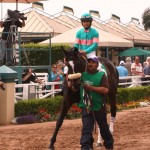 In retrospect, the words “The Police” and “Zenyatta Mondatta” were the only parts of our conversation that resonated with my friend.
Since that moment, I’ve wondered how to discuss horse racing with the non-racing world.
There seems to be nothing simple about it.
As far as I can tell, non-racing enthuasists have gathered these gems from my conversations:
“There are some gray and brown horses that run fast. One dances pretty well. The Kentucky Derby is an important day. And, ‘Zenyatta Mondatta’ is a great album.”
It is just as simple as that.
So, after growing tired of giving explanations, I decided to just quietly enjoy going to the races.
And then, the two worlds unexpectedly met for a brief second in time.
As I was heading to the track on an ordinary day, a friend asked me, “Is there an important race today?”
I joked, “Yep. Secretariat is in a match race with Seattle Slew today.”
When she laughed, I realized my friend knew I had just told her a fairy tale.
However, I also realized she knew some Triple Crown winners.
I began to dream about the next Triple Crown season.
And wish… it was just simple as that.
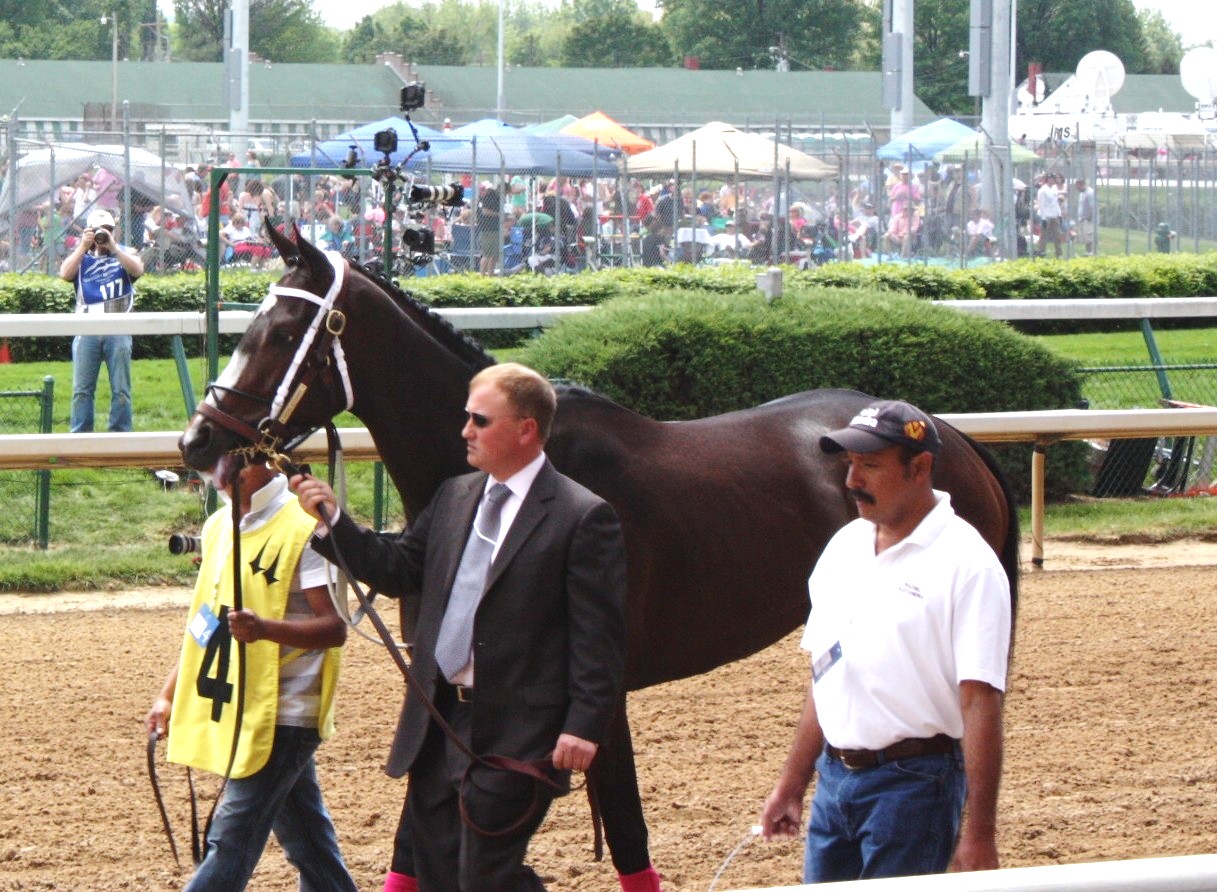
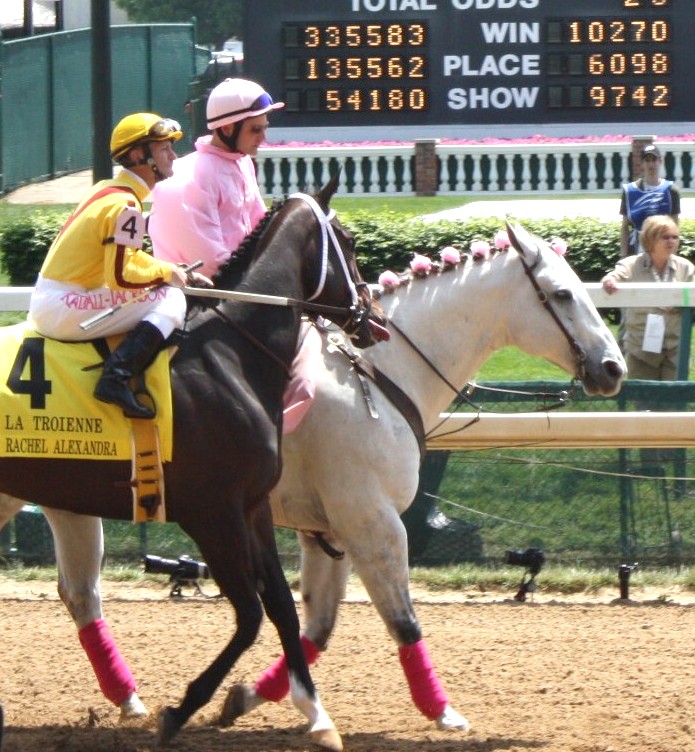 It was if Rachel said, “Fine. If a match race is what you want, I’m delivering it. Right here. Right now. On my terms.”