 A few decades ago, a thirteen-year-old boy in a working-class neighborhood in New York would take the bus to the racetrack with twenty dollars and the Daily Racing Form as a guide.
He was simply a fan of racing.
As a fan, the horses would cascade past him in the post-parade, deliver a fleeting glimpse of themselves in the home stretch and pause for quick photo in the winner’s circle. At the time, the experience was enough for Mike Repole to get on the bus with a few bets and a dream of owning a fast racehorse someday.
He was simply a fan of racing.
In the following decades, Repole would become known for being the co-founder of Glaceau, the company that introduced Vitaminwater, as well as the Chairman of the Board for Pirate’s Booty snacks and the health-conscious Energy Kitchen fast food restaurant chain. Yet, in six years of owning racehorses, Repole wouldn’t be known in the racing world for a graded stakes victory. He was winless in all of his graded starts as an owner.
However, Repole remained an owner and fan of racing.
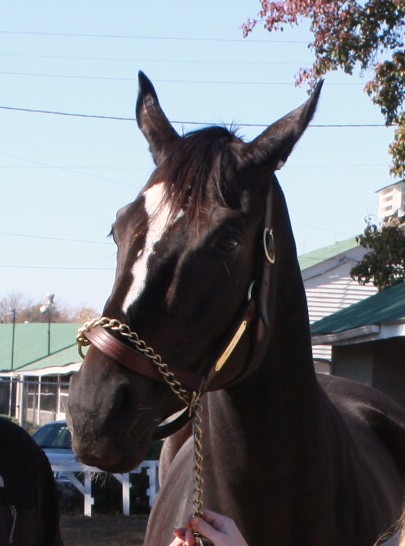
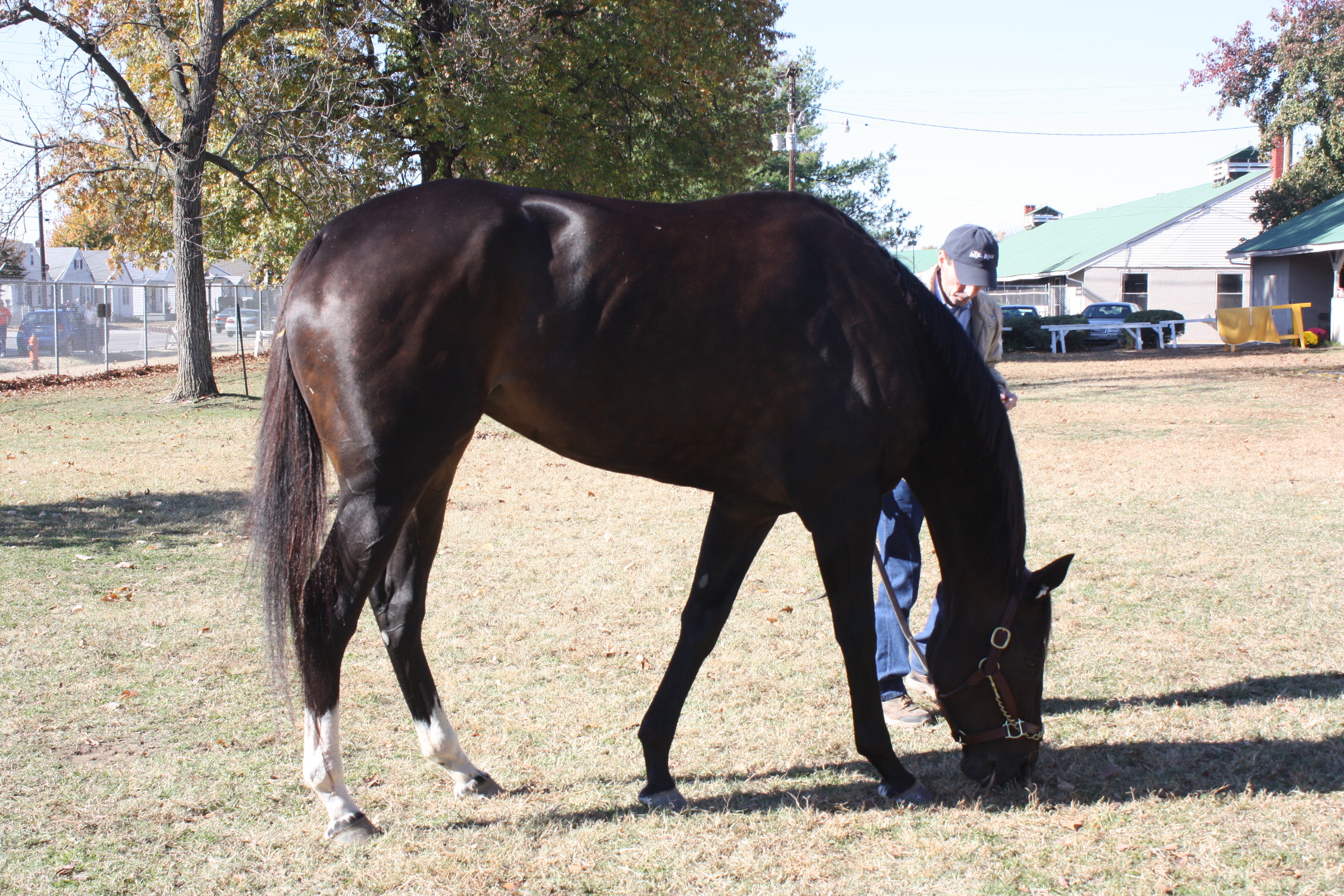
As he maintained his stable, Repole continued to search for the “fast racehorse” that he had envisioned in his youth. And finally, a two-year-old bay colt showed up and silenced any doubt that Repole had found “the one.”
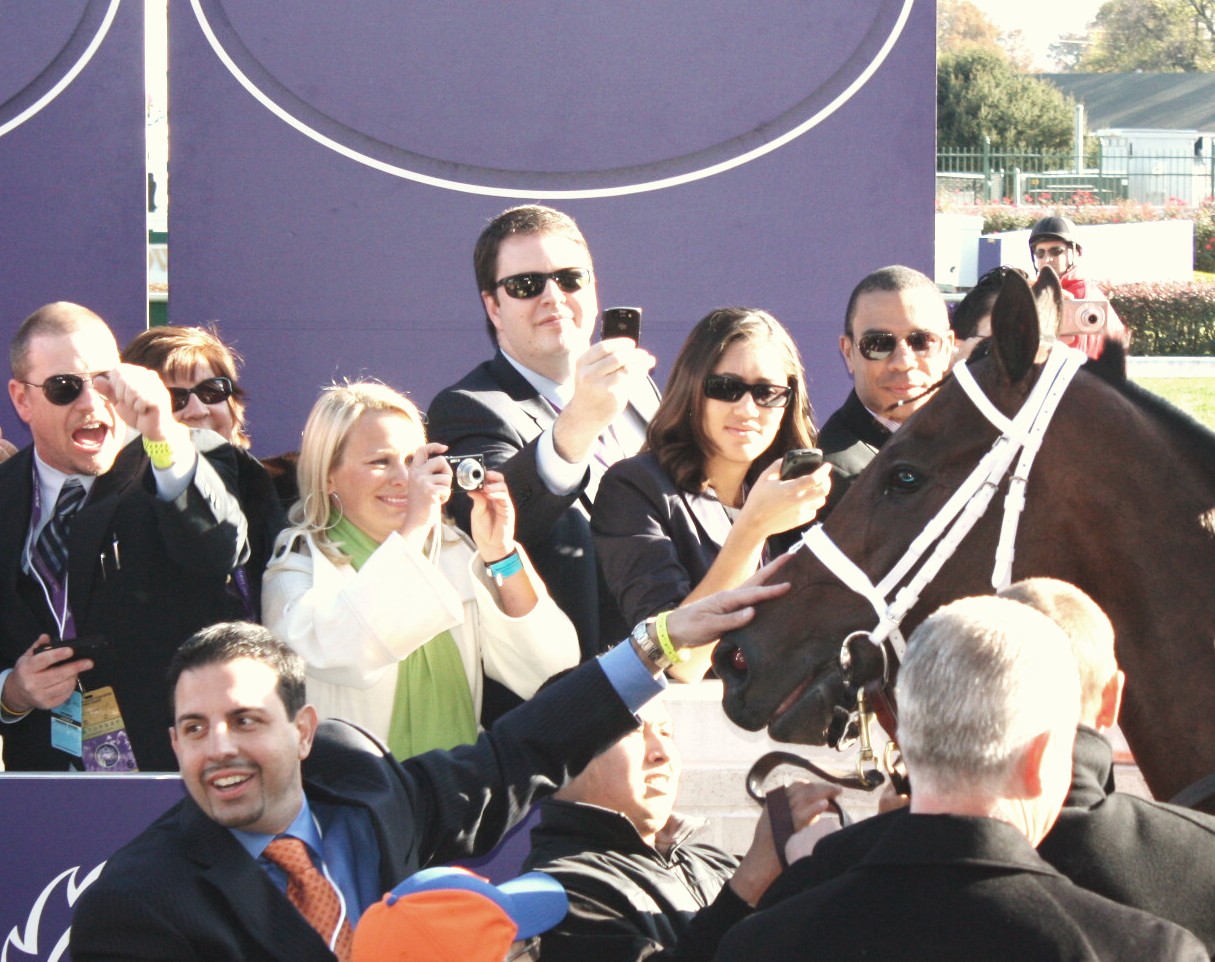 In his debut, Uncle Mo delivered a 14 ½ length maiden victory for Repole at Saratoga. Shortly thereafter, the colt proved to be blessed with speed as he won the Champagne Stakes in an authoritative 4 ¾ length victory that gave Repole his first graded win as an owner. In his last outing, Uncle Mo showcased his talent during a captivating victory in the Breeders’ Cup Juvenile.
All eyes turned to Uncle Mo. It appeared that a new dream was beginning in the racing world.
It is a dream for all fans of racing.
With an undefeated record and astonishing speed figures, Uncle Mo is currently poised as the horse that can deliver the dream of winning the Triple Crown. He is beyond the “fast racehorse” that Repole wished for as a boy. Uncle Mo is the kind of horse that racing enthusiasts have wished for since 1978.
And, Repole wants to share Uncle Mo with every fan of racing.
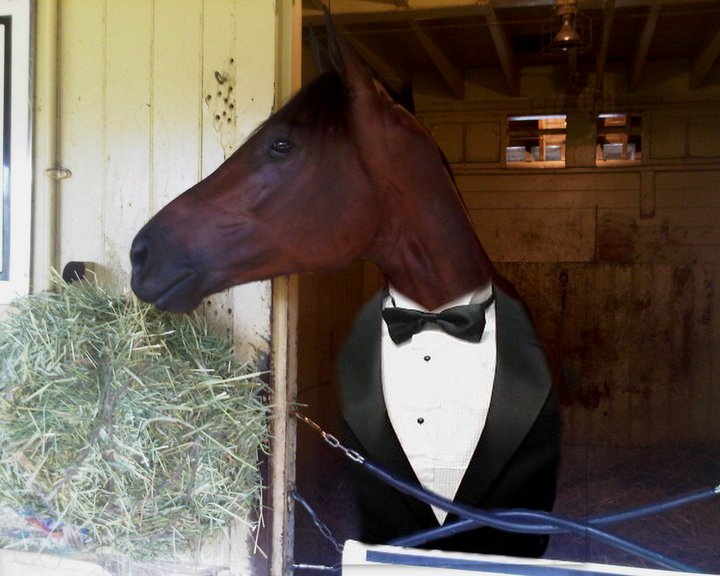 Uncle Mo has a page on Facebook and Twitter. Fans could see a photo of Uncle Mo posing in a tuxedo for the Eclipse Award ceremony, where he ultimately received the Best Two-Year-Old Male Award in a fan-focused acceptance speech from Repole.
Uncle Mo also posts videos and photos about his activities, including a picture of Repole feeding the horse his favorite treat, Pirate’s Booty “Smart Puffs.” Recently, Uncle Mo posted a video of him galloping at Palm Meadows to show his progress in training. In the past few days, hundreds of people have viewed the clip.
Finally, fans are encouraged to talk to Uncle Mo through his Facebook wall. Uncle Mo is hoping to receive a few valentines from his admirers on February 14 and is looking forward to hosting a virtual “birthday celebration” on his foaling date of March 10 via Facebook. If you want to join the festivities, you can follow Uncle Mo through clicking here.
And, after decades in the sport, Repole doesn’t lose sight of simply being a thirteen-year-old fan of racing. As fate would have it, Uncle Mo started out on Facebook through a thirteen-year-old girl named Rebecca Case who created a page for the horse.
She is simply a fan of racing.
When Repole learned that Rebecca Case had made a page for Uncle Mo, he asked his connections to contact the thirteen-year-old racing fan with a small request: He wanted to help the girl with her Uncle Mo page and keep her updated on the horse.
Today, Case and Uncle Mo’s connections work together to make the horse accessible to fans. And as a team, they prove that some dreams never grow old.
Uncle Mo is the dream of a thirteen-year-old racing fan, both today and decades ago.
And, Uncle Mo could deliver a dream to many racing enthusiasts who marvel over whether he can win the Triple Crown.
Yet, whatever Uncle Mo accomplishes in his career, one thing is certain. Uncle Mo isn’t just a “fast racehorse” or a “Triple Crown prospect” in the eyes of Repole. He is part of an experience that should be shared with anyone, young or old, that is simply a fan of racing.
As Uncle Mo points toward his three-year-old debut, Mr. Repole has graciously agreed to answer my questions about the horse. The interview appears below.
JW: Prior to his first victory, did you believe that Uncle Mo had the potential to be a special horse?
MR: I was always excited about Uncle Mo. He was always the best on the farm in Florida where I break 25 of my yearlings. We knew he was the best on the farm, but you’re never sure when your horse is still at the farm.
Then, we went to Todd Pletcher’s barn around May. Todd trains the best two-year-olds in the country and usually has three or four horses in the Derby. When Todd Pletcher tells you that he’s training eighty horses and Uncle Mo is the best horse, you get excited.
But, being the best in the morning, doesn’t always translate to being the best in the afternoon. ‘Show Time’ is a lot different than practice.
Until Uncle Mo raced in his maiden at Saratoga, I didn’t know what to expect. Then, I was awed by his performance, as were many people. And, after that, I started to think and dream. He’s lived up to every expectation since his first race.
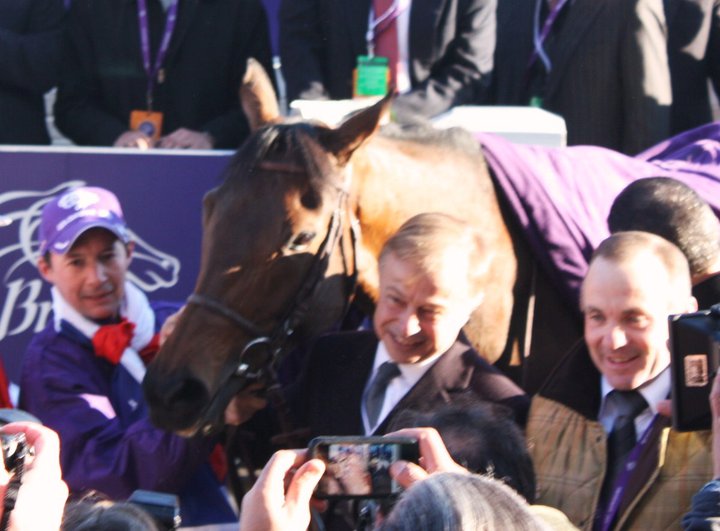
JW: At the Breeders’ Cup, you personally led Uncle Mo into the winner’s circle after he won the Juvenile race. How did you feel as you approached the winner’s circle with him?
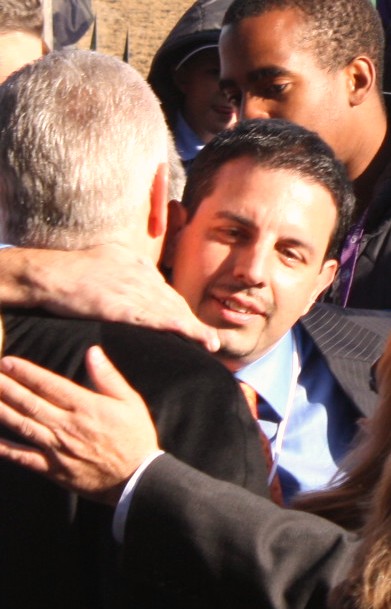 MR: I just felt like a thirteen-year-old kid at the track, cashing a two-dollar bet. It was just such a great and genuinely happy moment. It was something that you dream about and you think about. And then, you shoot your dreams and goals as high as they can go.
It was an amazing accomplishment to watch a horse race in the Breeders’ Cup that you can call your own. It is an accomplishment for any owner.
But then, to actually win, it was a great racing moment. Just in that moment right there, I felt like a thirteen-year-old at the track for the first time and getting spoiled.
I am a racing fan before I am a racing owner. I just happen to be a racing fan that owns horses. There was no bigger ‘racing high’ at that moment. It was one of the greatest days of my life.
JW: Do you think Uncle Mo has the potential to win the Triple Crown?
MR: I would say, ‘Think Big, Dream Bigger.’
Whether Uncle Mo has the potential or not, we’ll know the answer on June 11 at the Belmont, or we may even find out at the Kentucky Derby.
But, I can’t tell you that I’m not dreaming of winning the Kentucky Derby or that I’m not dreaming of winning the Triple Crown. I’ve been dreaming of this for almost thirty years. The only difference now is that I have a horse that has the potential to actually do it.
As for his potential, I have no doubt. But, a lot has to happen in the meantime. It takes a lot of luck. A lot of great horses have not won the Kentucky Derby or the Triple Crown. A lot of great horses have won one or two of those races, but didn’t win the Triple Crown.
Yet, I think for racing and racing fans, whether it is Uncle Mo or some other horse, it would be great for the sport and great for racing fans.
JW: Could you describe some of Uncle Mo’s personality traits and favorite items?
MR: Every time I go to the barn, I give Uncle Mo an extra carrot or two. He gets a few extra peppermints. He gets Pirate’s Booty Cheddar Puffs. Todd doesn’t give him the Cheddar Puffs, but he knows I bring them to Uncle Mo.
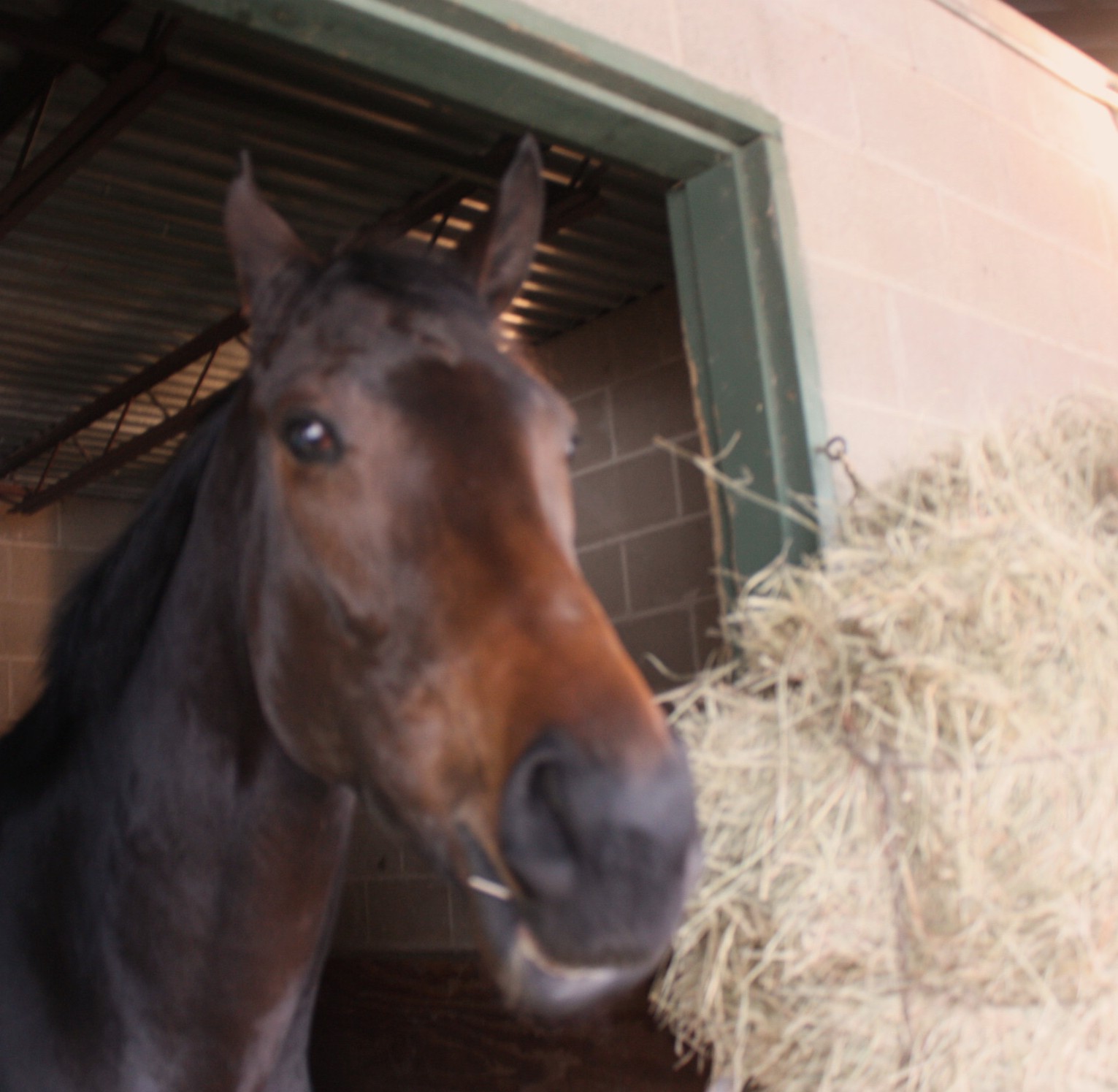
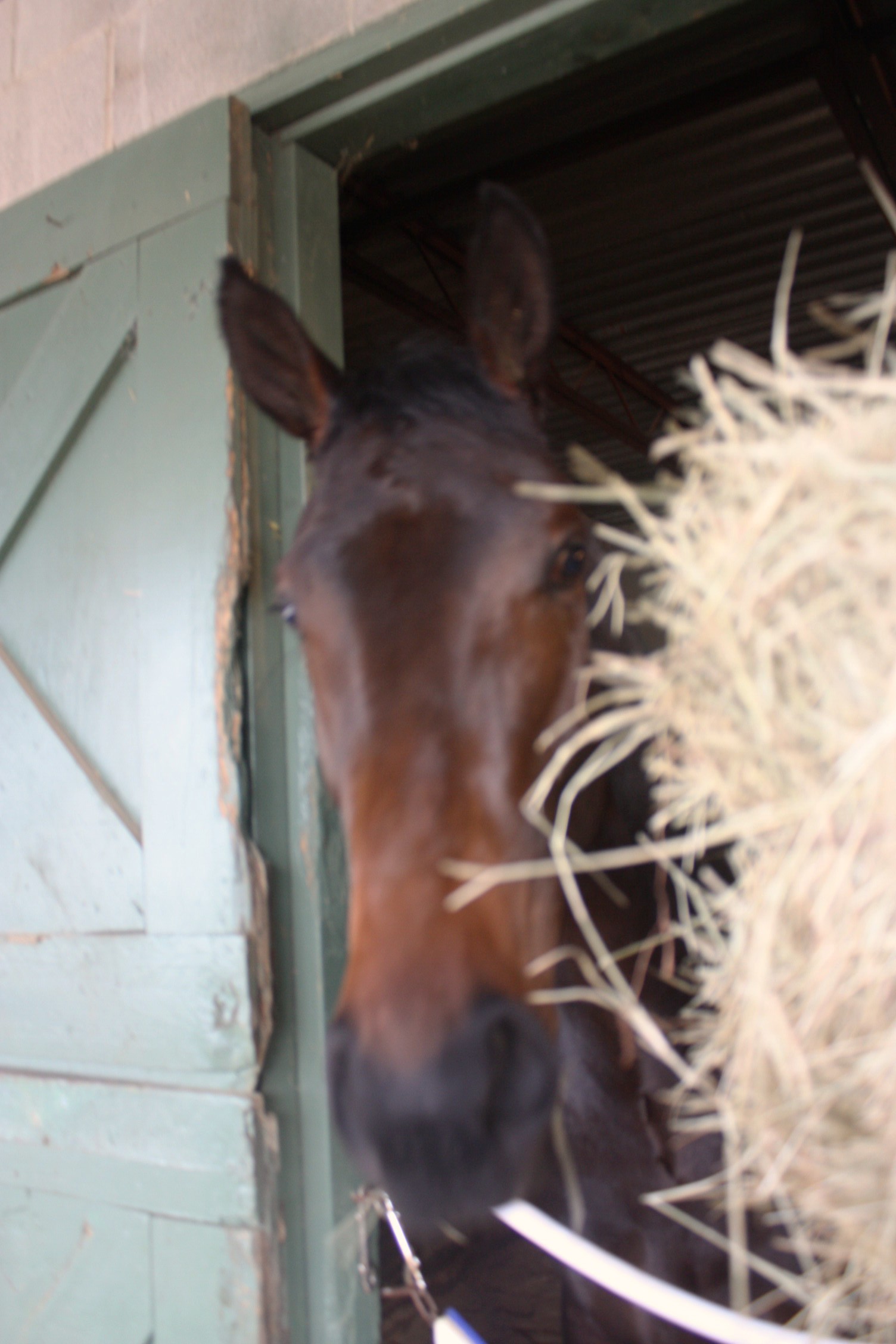
Uncle Mo doesn’t act like a young three-year-old. When he is laying down or he is at the back of the stall, I will call him by saying, “Hey Mo.” He will come right over and put his head on my shoulder.
He is like a monster on the racetrack, but he has a totally different personality in the stall. He is just happy-go-lucky and has a great personality. You don’t need a treat for him to come over to you. He is just a great horse.
Uncle Mo is also a very smart horse. Todd has always told me that not only is Uncle Mo one of the most talented horses he’s ever had, but he has the brains to go with it. He just does everything right. He is the model student. He doesn’t have any bad habits.
And finally, he does everything right the first time, no matter what he has been asked. Even Todd is amazed. It’s scary to be honest with you.
JW: You have made a strong effort to give Uncle Mo’s fans access to him. What makes this principle so important to you?
MR: It goes back to me being a racing fan for thirty years. The only access that I had as a fan was looking at the workouts and those types of details about each horse.
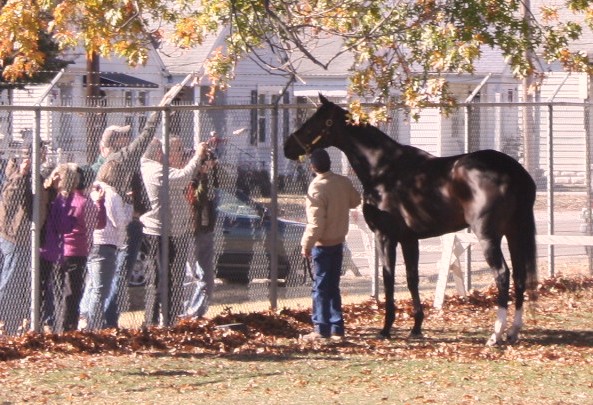
Now with social media, Uncle Mo has a Facebook page with a following of almost 2,000 fans. It is growing every day and every week. The way I see it, people want to know more about this horse. His site visits are going up on a regular basis. He has a Twitter account and he tweets things that are coming up and things that he has planned.
When Mo speaks, he might get fifty comments behind it. And, even when he doesn’t speak, people are constantly commenting on his wall. I see it. They say things like, ‘I wish you the best of luck,’ ‘Happy Birthday, Mo,’ or ‘You look great, Mo.’
The sport has to put something out there for the fans. It just can’t be about fractions, workouts, entries and the ultimate race day. It has to be more than that. Before the Superbowl, there is going to be a lot of hype and players talking about what they are doing. I think that racing fans need to be more involved as well and know what the horses are doing.
To me, even if I didn’t own Uncle Mo, I would want to know things like when he planned to workout, which race he was being pointed toward and what he was doing. For example, we put up a video of Uncle Mo the other day just galloping. It was only nine seconds long, but it received tremendous amounts of views. It is just something that many other people aren’t doing, but I wish they would do it, because I am a racing fan first. I am just fortunate enough to own horses.
I think it is important to involve the racing fans a lot more than they are being involved. Racing has so many passionate fans. I’ve always said, ‘If I get a special horse, I want to accommodate the fans.’ The most important thing that the industry needs to do is be accessible and accommodating to the fans. It’s very simple. We just need to take care of the horses and the fans.
JW: When you began going to racetrack, did you ever imagine you would own a horse like Uncle Mo?
MR: I’m sure it was because I was naïve, but I did. I wish I could tell you that I am shocked that this is happening. But, I had dreams about having a horse like Uncle Mo.
After Uncle Mo won the Breeder’s Cup Juvenile, someone asked me if I was thinking about the Kentucky Derby. I said, ‘I’ve been thinking about it for the last thirty years. Why would tomorrow be any different?’
JW: It was reported that you donated $50,000 of Uncle Mo’s winnings from the Breeders’ Cup Juvenile to five different organizations that care for rescued racehorses. What led to this decision?
MR: Before being an owner, I never understood where horses went after they stopped racing. I didn’t know if the owner had a farm and if they just lived on a farm afterward.
When I became involved in racehorse ownership, I realized that owners have a responsibility when a horse is done racing. There is a responsibility to make sure that your horse finds the best possible home in the future.
Under the radar, I have been donating for years. I have been donating to many horse rescues and always making sure that my horses found a home. I have people that send me letters about horses that I used to own and were claimed from me when they were racing. They want me to try to help them get their horse at the end of their racing career and I have helped people get back their horse. To me, it is a great thing.
I also have received letters from previous owners of horses that I owned as they approached the end of their racing career. When the horse was done racing, they wanted the horse to come back to them. Some of those people raised that horse on their farm and they wanted them to come home at the end of their career.
So, once a horse gets to a certain level where they would just be running for small claiming races, I just stop running the horses and give them back to the person who asked for their horse to come home. And, they are appreciative. They often send me a letter and it confirms to me that I’ve done the right thing.
I think I had an opportunity with Uncle Mo when I made a donation to those rescues after winning a big race. I wanted to say, ‘This is what I am doing and maybe others should follow suit.’ A person owns a horse from the time they begin racing until the moment the horse is given a good home. Every horse that I am connected with gets a home.
My donation was not only part of supporting horse rescue, but also, a way to thank the people who devote themselves to taking care of retired racehorses. I have the utmost respect for them.
JW: What is your favorite story from your experiences with Uncle Mo?
MR: I actually have two stories about Uncle Mo.
The first story was on the race track. To me, it was bigger to win the Champagne Stakes than the Breeders’ Cup Juvenile. I was the New York Racing Association’s leading owner in 2009, and, at that point, also in 2010, when Uncle Mo was pointing toward the Champagne Stakes. But, there was one thing I had never done before – I had never won a graded stakes race.
As we entered the Champagne, I felt a lot of pressure. Uncle Mo was going from a maiden to a Grade I race. During the race, I kept thinking that he couldn’t keep going that fast and keep it up for a mile in his second start.
When he pulled away by almost five lengths and nearly broke the track record, it was just an amazing moment to see one horse come along and take away the pressure of wanting to win a graded race. And, my whole family was there for that moment. My wife, my parents, my brothers, my grandmother… everyone.
The Breeders’ Cup was a great victory. But, that Champagne win, it was such a special moment in my life. When I raced horses in graded stakes in the past, I used to always watch the other owners go down to the winner’s circle after winning a graded stakes as they were surrounded by reporters and I would wonder, ‘Is that ever going to be me?’ When Uncle Mo gave me my first graded stakes win, it was a very rewarding moment.
The second thing I enjoy about Uncle Mo is visiting with him. There is a lot of stress owning a horse like him. I am nervous for the horse.
After the Breeders’ Cup, I spent an hour and half with him. He has a calming effect. Uncle Mo has this attitude and confidence that says, ‘Why are you nervous? I’m not nervous.’ Whenever I get nervous, I just go and visit him. He just has a way of saying, ‘Don’t be nervous. I’ll take it from here.’