November 10th, 2011 §
American Runner Steve Roland Prefontaine once likened his running to a creative art form in saying, “Some people create with words or with music or with a brush and paints. I like to make something beautiful when I run. I like to make people stop and say, ‘I’ve never seen anything run like that before.’ It’s more than just a race, it’s a style. …It’s being creative.” Surely, winning is the goal in the running of a race. But, in some rare moments, the runner itself is a work of art.
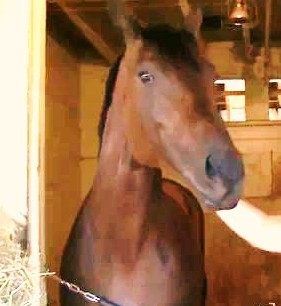
When I think of a runner as an art form, Hansen paints a stunning visual portrait from any vantage point. At 5 1/2 furlongs, the whitish blur can turn his oval canvas into a majestic 12 1/4 length victory in his maiden debut. And, at a mile and sixteenth, Hansen can appear absolutely ethereal while claiming a 13 1/4 length win in the Bluegrass Cat Kentucky Cup at Turfway Park. Yet, perhaps he was in his finest glory clearing a near wire-to-wire victory in the Grey Goose Breeders’ Cup Juvenile. It was more than just a race, it was his style: Hansen is simply beautiful when he runs a race.
“He’s a once in a lifetime horse,” said Dr. Kendall Hansen, who owns the undefeated two-year-old colt in a partnership with SkiChai Racing. And, as for his unique front-running style, Trainer Mike Maker has stated, “We don’t try to change him much, because if we do try, he gets mad and wants to fight. So we let him do his thing, make him believe he’s the boss.” However, if running is an art form, Hansen’s defiance may be a part of his creative genius.
There is something about watching Hansen run that captures some beautiful aspects of Thoroughbred racing.
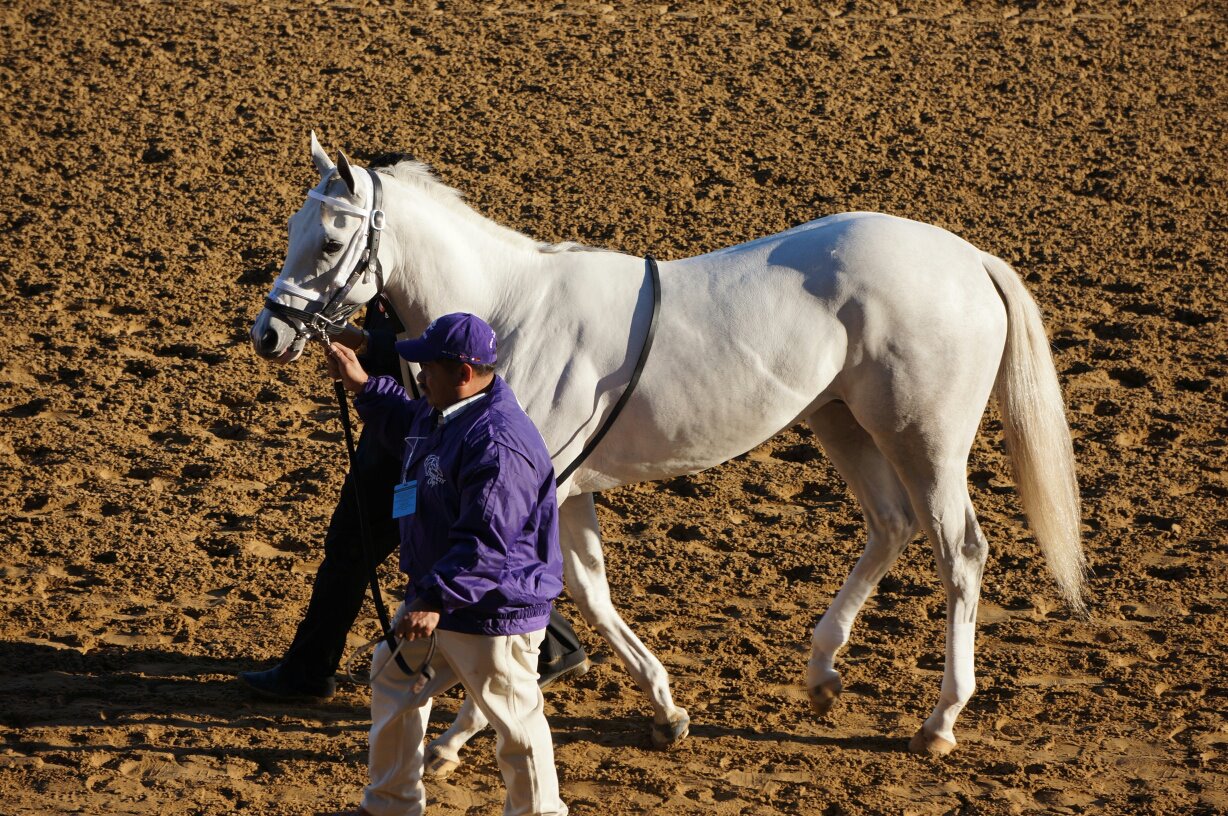
 Perhaps, a dimension of Hansen’s beauty is the reminder that money alone can’t buy a “once-in-a-lifetime” horse. They simply appear in places where that unwavering hope exists. And, where Hansen first “appeared” was when a $5,000 claiming horse named Stormy Sunday gave birth to a Tapit foal bred by Dr. Hansen himself. The colt never set foot in an auction ring in an attempt to garner millions of dollars in bids. There was simply a near-white colt, born to a seemingly common mare, that appeared one day in a place that could have been any foaling barn.
Yes, there is a beauty to that priceless aspect of Thoroughbred racing.
And, then there is a beauty that Hansen possesses when he is running his race, the way he sees fit. The sight of the near-white colt, racing in front, as if he is simply not subject to the will of anything but his own, is a visually stunning display of the unbridled spirit of a Thoroughbred. Sure, if running is a form of art, any attempt to change his style is a call to battle. An artist, in creating something beautiful, follows their vision. And, the vision that Hansen portrays is the raw beauty of a Thoroughbred in flight.
Yes, there is a beauty to that unbridled aspect of Thoroughbred racing.
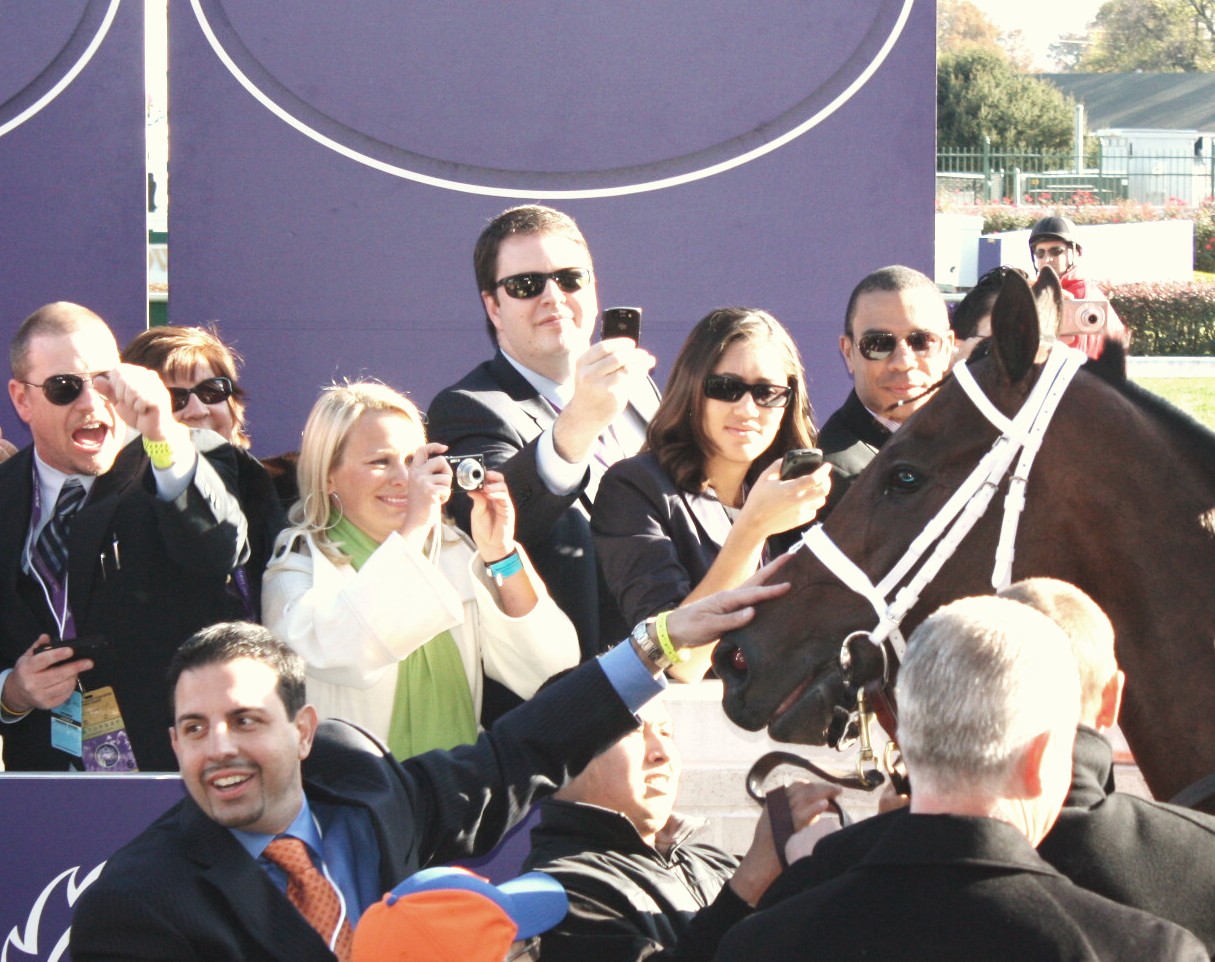
And finally, there is an art in how Hansen conquers the critics who search for the limitations in his ability. After his maiden victory at 5 ½ furlongs, observers wondered if he would be able to produce such a flashy, front-running win at the longer distance of 1 1/16 miles in the Kentucky Gold Cup. And, when he answered his critics in a 13 ¼ length victory at that distance, the stakes simply grew higher. Hansen faced the issue of class – Could he win at that same distance against tougher contenders in the Breeder’s Cup Juvenile? And, in a near wire-to-wire victory, the colt provided a beautiful answer to his critics last Saturday. Standing with the winning garland in the winner’s circle, Hansen had just delivered another masterpiece.
Yes, there is a beauty to the unknown aspect of Thoroughbred racing.
It appears that Hansen may be creating something beautiful when he runs, just as Prefontaine envisioned in his depiction as a runner as an artist. And, in his artistry, Hansen may be doing something beautiful for racing. He displays something that couldn’t be bought in a ring, bridled in spirit or conquered through critique.
Hansen, racing alone, embodies the art of being a Thoroughbred.
Photos of Hansen provided through the courtesy of Heather Seiden. To follow Hansen on Facebook, please click his fan pages at this link and this secondary link.
November 1st, 2011 §
 This Breeder’s Cup season, the racing world will turn its focus toward the victories of the equine athletes in the series of prestigious races. A stunning victory showcases the glory of a race horse and can serve as the catalyst to transform a good horse into a great one. Victory is how this sport counts its champions, and, for those who go defeated, they typically stand in the shadows of the winner’s circle as the victor carries the moment.
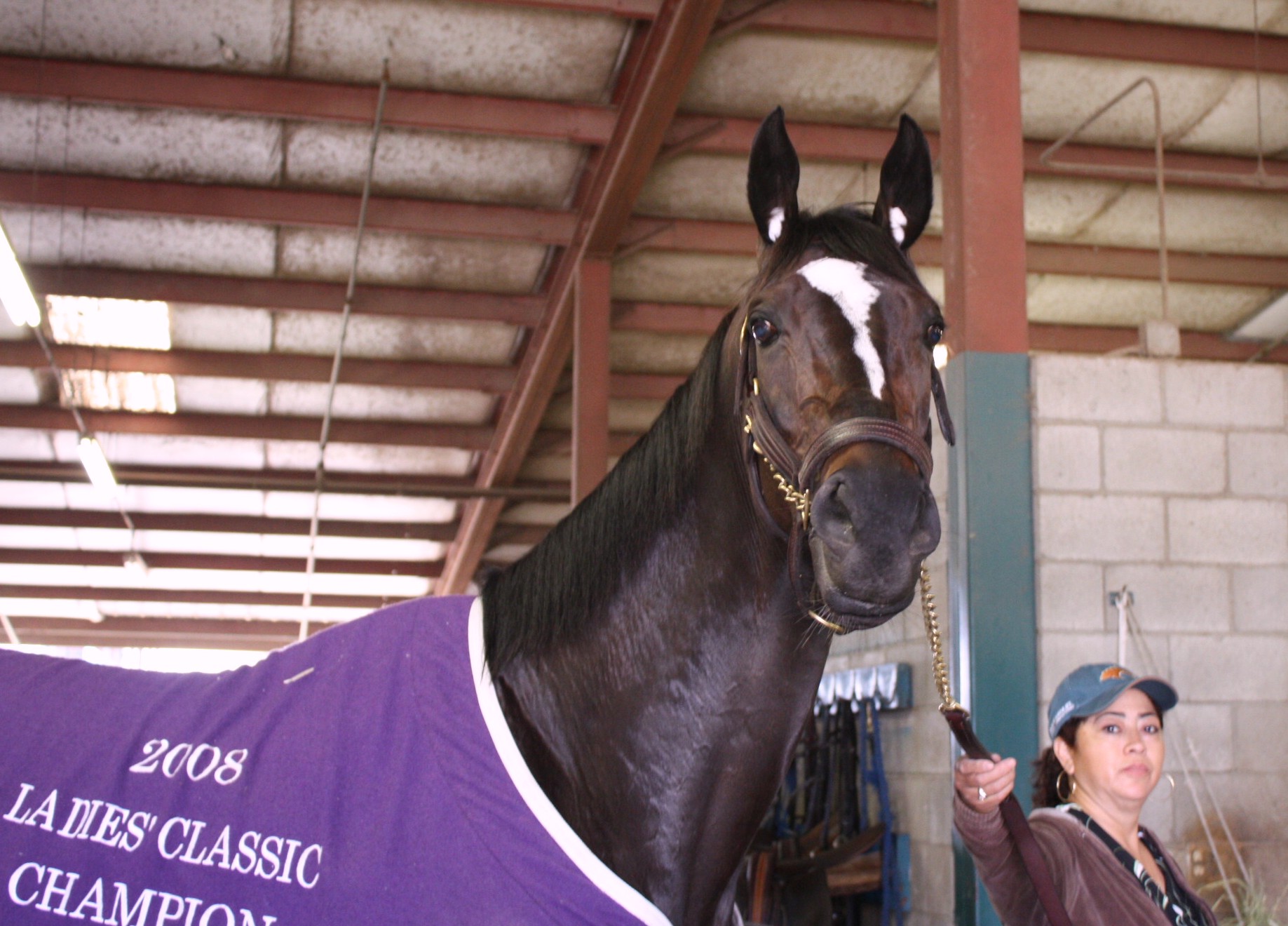
Yet, at the close of the Breeders’ Cup last year, victory was simply more than the domain of the winner in the Classic. A certain kind of “victory” was also bestowed upon Zenyatta, standing in the cold night, as a freshly defeated mare transforming her heartbreaking loss into a moment of glory. And so, as this Breeders’ Cup season begins, I marvel over the Zenyatta’s quest for victory and wonder if winning is more than standing in the winner’s circle.
Perhaps, there is a little victory that occurs in the smaller moments in racing. The victories don’t count for career records or fancy trophies, but they are possibly part of what makes a champion. And, when I think of many champion racehorses, most of them have experienced both victory and defeat on their road to immortality.
In the case of Zenyatta, it seems that the big mare earned a few unsung victories during last year’s Classic despite her official defeat in the race itself.
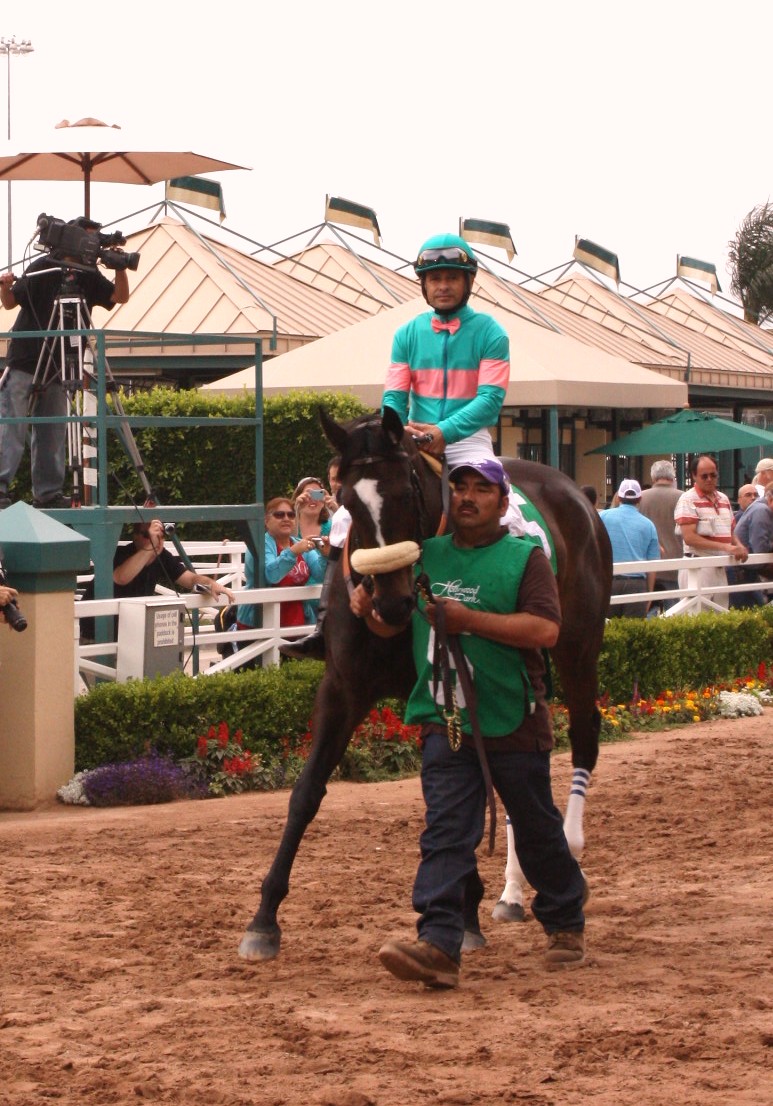
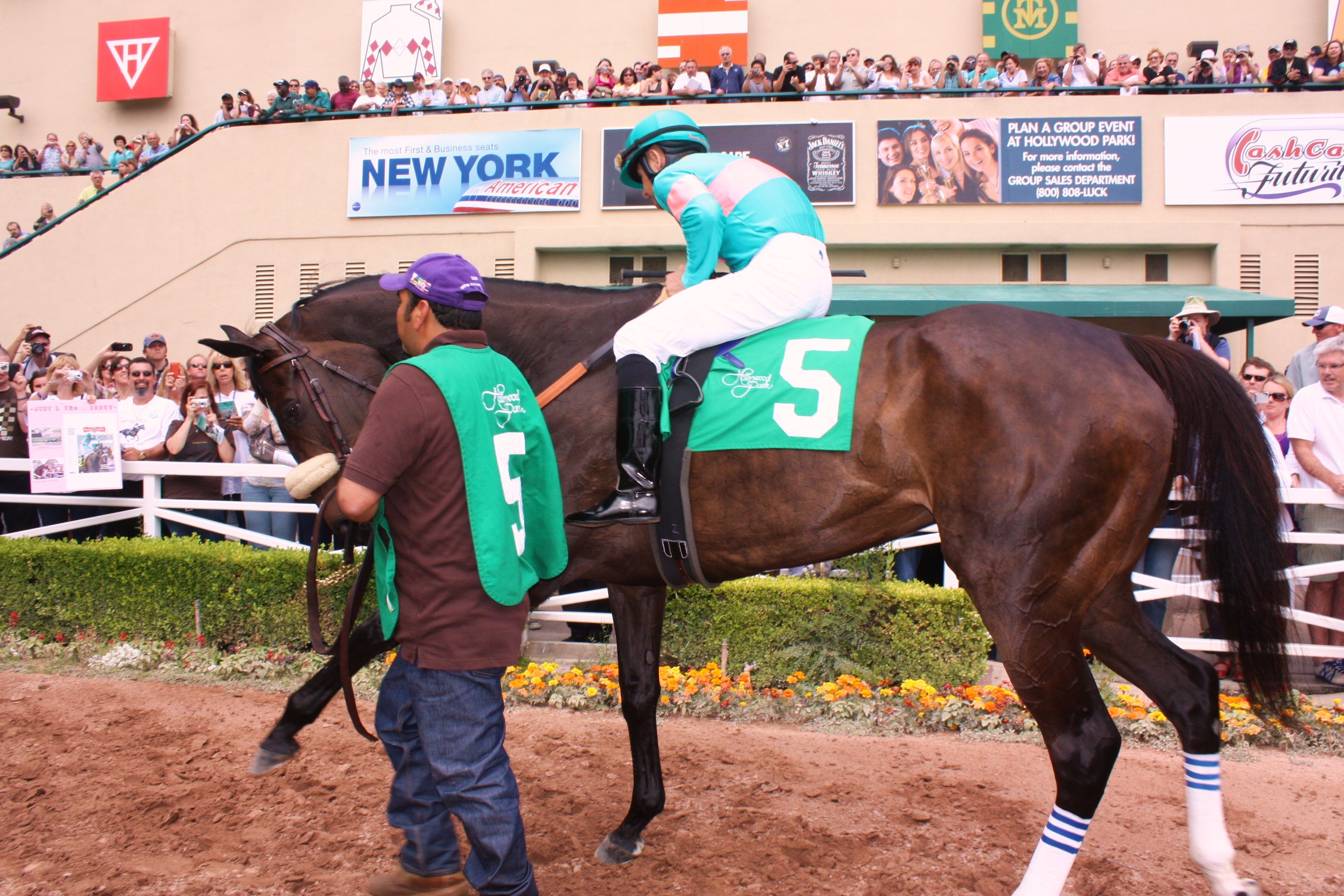
It seems that there is a small victory through striking awe in the crowd before the gates ever open in a race. In the minutes leading up to the last Classic, Zenyatta held court in the post-parade like no other contender. The mare looked like a true prize fighter, daring anyone to challenge her on that oval. In that moment, it was her show, and, for those who came to see it, it seemed that defeat was simply out of the question.
And then, there appears to be a glimmer of victory in how a race is run before the wire is crossed. When Zenyatta set flight under the waning autumn sky in the Classic, her dazzling charge in the dusk epitomized something otherworldly. As she rushed past in blur, the sheer speed of her closing kick set in for the first time as I stood in the crowd.
In the end, whether she made it to the wire first or not, there was a small victory present. The mare had captured the victory of sending the crowd soaring at the sight of her final charge. Spectators began to murmur, “She’s going to win it!” in the last dizzying seconds of the Classic. The voices went from whispers to shouts in synchronicity with her movement. And, in that moment, it seems the crowd was racing along with the great mare.
And finally, it seems there was a victory present in the least likely moment - The moment the mare lost the race. Zenyatta, mired with fresh markings of defeat, faced the crowd and stood proudly for an ovation. And, as the crowd rose to pay homage to the great mare, tears streamed down the faces of many people as they stood to pay her a final tribute. Whatever sentiment those tears held, the glory of that mare was simply not in dispute. She held the victory of honor in defeat.
Yes, there and then, a perfect juxtaposition of victory and defeat occurred in the Breeders’ Cup Classic. Two champions were on display - one in the winner’s circle and the other receiving a standing ovation in defeat. And, in her defeat, Zenyatta won the prize that had repeatedly eluded the mare in perfection - Horse of the Year.
Retrospectively, it appears there may be more than one winner in last year’s Classic. The true winner, Blame, who conquered the perfect mare in the Classic. And the other winner, Zenyatta, the great mare who was crowned Horse of the Year only after she conquered defeat.
October 31st, 2011 §
At some point in life, many people have probably uttered the words, “If I had the money, I would have invented this or that, built this or that, or surely, patented this or that idea.” It may have been a good idea, perhaps a great one, but as funding can be tricky, the idea remained just that: an idea.
In some cases, we see a great idea in flight and think to ourselves, “I wish I had thought of that first.“ Sure, it could be a great idea that everyone is raving about from coast-to-coast. But, in the end, even if you had the idea first, the old fickle road block of funding might have halted that marvelous idea at its’ inception.
Unless, of course, you can find yourself a “Grey Goose.”
When it comes down to horse racing, the invention of the $26m Breeders’ Cup World Championships was probably one of the most brilliant ideas that I never had to further the sport of horse racing. And, I am happy I didn’t. Because, in the end, my idea would never have taken flight when it came time to fund the whole event.
Sadly, I don’t have a “Grey Goose” to call upon.
Yet, since 2005, a “Grey Goose” has been the official sponsor of the Breeders’ Cup event - Grey Goose Vodka. And, the presence of the “Grey Goose” is pretty hard to overlook when it comes down to this marquee event in horse racing. As the premier sponsor, Grey Goose is the title sponsor of the entire Breeder’s Cup series, as well as two of the races - The Breeders’ Cup Juvenile and The Breeder’s Cup Juvenile Fillies.
However, “The Grey Goose” doesn’t stop there.
Grey Goose, a premier vodka brand, seems to appreciate the luxurious quality of Thoroughbred horse racing. The “Grey Goose” is ever-present during the two-day Breeders’ Cup series of races. Aside from sponsoring two races, Gray Goose Vodka appears at all official Breeders’ Cup events, including the pre-race parties, the VIP winners’ circle celebration and the post-race reception. Simply put, the “Grey Goose” is everywhere except on the race track itself.
Yet, what lies behind the prominent “Grey Goose” is a wealth of good for the Thoroughbred racing industry.
Brown Forman, the parent company behind Grey Goose Vodka, is quite a large sponsor toward funding the continuity of this sport in general. Aside from the Breeders’ Cup series, Brown Forman brands are present at plenty of major racing outings. Brown Forman brands are the title sponsor for the Maker’s Mark Mile and the Woodford Reserve Turf Classic. Further, their Korbel Champagne brand is the drink of plenty of toasts at winner’s circle celebrations, including the Arlington Million.
And, in the end, Brown Forman goes beyond promotions and sponsorship in racing. They give to Thoroughbred charities as part of their participation in the industry. Since 2006, Brown Forman has sponsored the “$1,000 Mint Julep” on Kentucky Derby day through their Woodford Reserve brand. The proceeds from the $1,000 Mint Julep are donated toward racing-related charities, including past contributions to the New Jersey-based Thoroughbred Retirement Foundation and The Secretariat Foundation.
In the age where many Thoroughbred racing enthusiasts wonder about the future of the sport, I think it is important to recognize those who are investing in it now. This Breeders’ Cup season, as I marvel over some of the greatest Thoroughbreds to grace an oval this year, I’ll be thankful to an unlikely character - a “Grey Goose” that saw the value in providing sponsorship for this majestic event in horse racing.
October 22nd, 2011 §
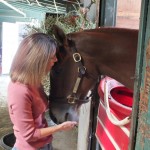 Nearly two years ago, I was talking with the retired Farm Manager of Claiborne Farm, the late John Sosby, about what it takes to find a winning horse. He gave a broad smile and said, “Give me luck and I’ll beat you every time.”
As he stood at Claiborne Farm, the site where he had cared for many great Thoroughbreds at various stages in their lives, it seemed that having good luck was an undisputable factor that led to success with racehorses. However, as I considered the late Mr. Sosby himself, it was apparent that he didn’t rest on his laurels and wait for luck to emerge in the fields. He did something to bring its elusive character his way: He did good.
The late Mr. Sosby was good to whomever possible, wherever possible, and when it came to the horses in his care, his goodness was what he gave them. Yes, luck was a figure that followed the late Mr. Sosby. Yet, it seemed luck was romanced by his own goodness to the horses in his care.
Quite possibly, goodness is the breeding ground for luck in racing.
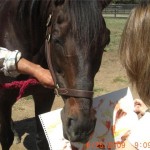 If a tribute to that principle exists, it may lie in the undefeated two-year-old filly, Weemissfrankie, whose ownership connections include Dawn Mellen of Bran Jam Stables, the founder of After The Finish Line (ATFL), a non-profit dedicated to funding Thoroughbred rescue, retraining and retirement for ex-racehorses who can no longer race or breed.
Mellen began volunteering at Thoroughbred rescues in the mid-1990s, where she realized that a major obstacle to helping retired Thoroughbreds was funding. In response, Mellen founded ATFL in 2007. ATFL provides monthly emergency funds and yearly grants to Thoroughbred rescues to fund retraining, rescue and rehabilitation efforts.
ATFL funding is used for various purposes, including saving horses at auctions, paying for medical expenses, providing hay and feed, paying boarding expenses and transporting a Thoroughbred to safety. Through providing the monetary means, ATFL helps assist in transitioning ex-racehorses into second careers.
As a result of funding from ATFL, ex-racehorses have been retrained for dressage, trail riding or as hunter/ jumpers. If the horse can no longer be ridden, they are retrained to provide equine therapy or serve as companion animals. Through creating a funding organization for these efforts, Mellen has managed to show that every Thoroughbred has a value, even if it cannot race or breed.
In the past few years, doing good has been the sole reward for Mellen’s efforts to assist ex-racehorses in their retirement. ATFL board members receive no salary. All funding directly benefits ex-racehorses in need of monetary assistance.
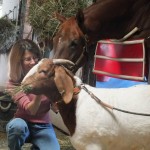 Then, along comes Weemissfrankie - a filly that has quite a gift for “goodness” on the race track. In three starts, the talented filly has captured two Grade I wins, the Del Mar Debutante and the Oak Leaf Stakes at Santa Anita, for her ownership team. Currently, Weemissfrankie is heading to the Breeder’s Cup to compete in the $2 million Grey Goose Breeders’ Cup Juvenile Fillies (Grade I) on November 4th at Churchill Downs.
It appears that goodness may truly be the breeding ground for luck in racing.
Win or lose, it should be a good race. With a little luck, Weemissfrankie will prevail, not just in this race, but in the race to raise awareness for the ex-racehorses who are in need of assistance at the close their career. And, with a little goodness, retired racehorses will receive more of the public support that they deserve at the end of their racing days.
For Mellen, it seems that her kindness toward ex-racehorses has brought her the luck that the late Mr. Sosby spoke about - The unbeaten kind. Yet, when I look at where luck appears, it often follows the good people who value a Thoroughbred at every point in their career. And, as far as being good to a horse in need, nothing can beat that endeavor at the finish line.
After The Finish Line is a 501(c)(3) non-profit organization in which donations are tax-deductible to the fullest extent of the law. Visit the ATFL website at www.afterthefinishline.org or call 858.945.1371 to learn more or make a donation. You can also visit ATFL on Facebook by clicking this link.
January 28th, 2011 §
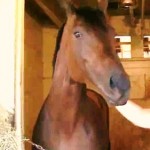 A few decades ago, a thirteen-year-old boy in a working-class neighborhood in New York would take the bus to the racetrack with twenty dollars and the Daily Racing Form as a guide.
He was simply a fan of racing.
As a fan, the horses would cascade past him in the post-parade, deliver a fleeting glimpse of themselves in the home stretch and pause for quick photo in the winner’s circle. At the time, the experience was enough for Mike Repole to get on the bus with a few bets and a dream of owning a fast racehorse someday.
He was simply a fan of racing.
In the following decades, Repole would become known for being the co-founder of Glaceau, the company that introduced Vitaminwater, as well as the Chairman of the Board for Pirate’s Booty snacks and the health-conscious Energy Kitchen fast food restaurant chain. Yet, in six years of owning racehorses, Repole wouldn’t be known in the racing world for a graded stakes victory. He was winless in all of his graded starts as an owner.
However, Repole remained an owner and fan of racing.
As he maintained his stable, Repole continued to search for the “fast racehorse” that he had envisioned in his youth. And finally, a two-year-old bay colt showed up and silenced any doubt that Repole had found “the one.”
 In his debut, Uncle Mo delivered a 14 ½ length maiden victory for Repole at Saratoga. Shortly thereafter, the colt proved to be blessed with speed as he won the Champagne Stakes in an authoritative 4 ¾ length victory that gave Repole his first graded win as an owner. In his last outing, Uncle Mo showcased his talent during a captivating victory in the Breeders’ Cup Juvenile.
All eyes turned to Uncle Mo. It appeared that a new dream was beginning in the racing world.
It is a dream for all fans of racing.
With an undefeated record and astonishing speed figures, Uncle Mo is currently poised as the horse that can deliver the dream of winning the Triple Crown. He is beyond the “fast racehorse” that Repole wished for as a boy. Uncle Mo is the kind of horse that racing enthusiasts have wished for since 1978.
And, Repole wants to share Uncle Mo with every fan of racing.
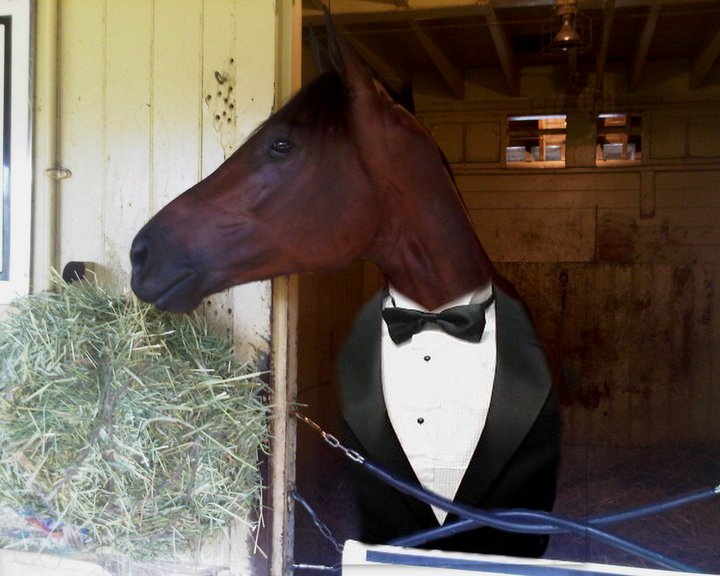
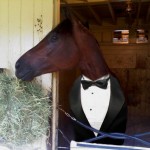 Uncle Mo has a page on Facebook and Twitter. Fans could see a photo of Uncle Mo posing in a tuxedo for the Eclipse Award ceremony, where he ultimately received the Best Two-Year-Old Male Award in a fan-focused acceptance speech from Repole.
Uncle Mo also posts videos and photos about his activities, including a picture of Repole feeding the horse his favorite treat, Pirate’s Booty “Smart Puffs.” Recently, Uncle Mo posted a video of him galloping at Palm Meadows to show his progress in training. In the past few days, hundreds of people have viewed the clip.
Finally, fans are encouraged to talk to Uncle Mo through his Facebook wall. Uncle Mo is hoping to receive a few valentines from his admirers on February 14 and is looking forward to hosting a virtual “birthday celebration” on his foaling date of March 10 via Facebook. If you want to join the festivities, you can follow Uncle Mo through clicking here.
And, after decades in the sport, Repole doesn’t lose sight of simply being a thirteen-year-old fan of racing. As fate would have it, Uncle Mo started out on Facebook through a thirteen-year-old girl named Rebecca Case who created a page for the horse.
She is simply a fan of racing.
When Repole learned that Rebecca Case had made a page for Uncle Mo, he asked his connections to contact the thirteen-year-old racing fan with a small request: He wanted to help the girl with her Uncle Mo page and keep her updated on the horse.
Today, Case and Uncle Mo’s connections work together to make the horse accessible to fans. And as a team, they prove that some dreams never grow old.
Uncle Mo is the dream of a thirteen-year-old racing fan, both today and decades ago.
And, Uncle Mo could deliver a dream to many racing enthusiasts who marvel over whether he can win the Triple Crown.
Yet, whatever Uncle Mo accomplishes in his career, one thing is certain. Uncle Mo isn’t just a “fast racehorse” or a “Triple Crown prospect” in the eyes of Repole. He is part of an experience that should be shared with anyone, young or old, that is simply a fan of racing.
As Uncle Mo points toward his three-year-old debut, Mr. Repole has graciously agreed to answer my questions about the horse. The interview appears below.
JW: Prior to his first victory, did you believe that Uncle Mo had the potential to be a special horse?
MR: I was always excited about Uncle Mo. He was always the best on the farm in Florida where I break 25 of my yearlings. We knew he was the best on the farm, but you’re never sure when your horse is still at the farm.
Then, we went to Todd Pletcher’s barn around May. Todd trains the best two-year-olds in the country and usually has three or four horses in the Derby. When Todd Pletcher tells you that he’s training eighty horses and Uncle Mo is the best horse, you get excited.
But, being the best in the morning, doesn’t always translate to being the best in the afternoon. ‘Show Time’ is a lot different than practice.
Until Uncle Mo raced in his maiden at Saratoga, I didn’t know what to expect. Then, I was awed by his performance, as were many people. And, after that, I started to think and dream. He’s lived up to every expectation since his first race.
JW: At the Breeders’ Cup, you personally led Uncle Mo into the winner’s circle after he won the Juvenile race. How did you feel as you approached the winner’s circle with him?
 MR: I just felt like a thirteen-year-old kid at the track, cashing a two-dollar bet. It was just such a great and genuinely happy moment. It was something that you dream about and you think about. And then, you shoot your dreams and goals as high as they can go.
It was an amazing accomplishment to watch a horse race in the Breeders’ Cup that you can call your own. It is an accomplishment for any owner.
But then, to actually win, it was a great racing moment. Just in that moment right there, I felt like a thirteen-year-old at the track for the first time and getting spoiled.
I am a racing fan before I am a racing owner. I just happen to be a racing fan that owns horses. There was no bigger ‘racing high’ at that moment. It was one of the greatest days of my life.
JW: Do you think Uncle Mo has the potential to win the Triple Crown?
MR: I would say, ‘Think Big, Dream Bigger.’
Whether Uncle Mo has the potential or not, we’ll know the answer on June 11 at the Belmont, or we may even find out at the Kentucky Derby.
But, I can’t tell you that I’m not dreaming of winning the Kentucky Derby or that I’m not dreaming of winning the Triple Crown. I’ve been dreaming of this for almost thirty years. The only difference now is that I have a horse that has the potential to actually do it.
As for his potential, I have no doubt. But, a lot has to happen in the meantime. It takes a lot of luck. A lot of great horses have not won the Kentucky Derby or the Triple Crown. A lot of great horses have won one or two of those races, but didn’t win the Triple Crown.
Yet, I think for racing and racing fans, whether it is Uncle Mo or some other horse, it would be great for the sport and great for racing fans.
JW: Could you describe some of Uncle Mo’s personality traits and favorite items?
MR: Every time I go to the barn, I give Uncle Mo an extra carrot or two. He gets a few extra peppermints. He gets Pirate’s Booty Cheddar Puffs. Todd doesn’t give him the Cheddar Puffs, but he knows I bring them to Uncle Mo.
Uncle Mo doesn’t act like a young three-year-old. When he is laying down or he is at the back of the stall, I will call him by saying, “Hey Mo.” He will come right over and put his head on my shoulder.
He is like a monster on the racetrack, but he has a totally different personality in the stall. He is just happy-go-lucky and has a great personality. You don’t need a treat for him to come over to you. He is just a great horse.
Uncle Mo is also a very smart horse. Todd has always told me that not only is Uncle Mo one of the most talented horses he’s ever had, but he has the brains to go with it. He just does everything right. He is the model student. He doesn’t have any bad habits.
And finally, he does everything right the first time, no matter what he has been asked. Even Todd is amazed. It’s scary to be honest with you.
JW: You have made a strong effort to give Uncle Mo’s fans access to him. What makes this principle so important to you?
MR: It goes back to me being a racing fan for thirty years. The only access that I had as a fan was looking at the workouts and those types of details about each horse.
Now with social media, Uncle Mo has a Facebook page with a following of almost 2,000 fans. It is growing every day and every week. The way I see it, people want to know more about this horse. His site visits are going up on a regular basis. He has a Twitter account and he tweets things that are coming up and things that he has planned.
When Mo speaks, he might get fifty comments behind it. And, even when he doesn’t speak, people are constantly commenting on his wall. I see it. They say things like, ‘I wish you the best of luck,’ ‘Happy Birthday, Mo,’ or ‘You look great, Mo.’
The sport has to put something out there for the fans. It just can’t be about fractions, workouts, entries and the ultimate race day. It has to be more than that. Before the Superbowl, there is going to be a lot of hype and players talking about what they are doing. I think that racing fans need to be more involved as well and know what the horses are doing.
To me, even if I didn’t own Uncle Mo, I would want to know things like when he planned to workout, which race he was being pointed toward and what he was doing. For example, we put up a video of Uncle Mo the other day just galloping. It was only nine seconds long, but it received tremendous amounts of views. It is just something that many other people aren’t doing, but I wish they would do it, because I am a racing fan first. I am just fortunate enough to own horses.
I think it is important to involve the racing fans a lot more than they are being involved. Racing has so many passionate fans. I’ve always said, ‘If I get a special horse, I want to accommodate the fans.’ The most important thing that the industry needs to do is be accessible and accommodating to the fans. It’s very simple. We just need to take care of the horses and the fans.
JW: When you began going to racetrack, did you ever imagine you would own a horse like Uncle Mo?
MR: I’m sure it was because I was naïve, but I did. I wish I could tell you that I am shocked that this is happening. But, I had dreams about having a horse like Uncle Mo.
After Uncle Mo won the Breeder’s Cup Juvenile, someone asked me if I was thinking about the Kentucky Derby. I said, ‘I’ve been thinking about it for the last thirty years. Why would tomorrow be any different?’
JW: It was reported that you donated $50,000 of Uncle Mo’s winnings from the Breeders’ Cup Juvenile to five different organizations that care for rescued racehorses. What led to this decision?
MR: Before being an owner, I never understood where horses went after they stopped racing. I didn’t know if the owner had a farm and if they just lived on a farm afterward.
When I became involved in racehorse ownership, I realized that owners have a responsibility when a horse is done racing. There is a responsibility to make sure that your horse finds the best possible home in the future.
Under the radar, I have been donating for years. I have been donating to many horse rescues and always making sure that my horses found a home. I have people that send me letters about horses that I used to own and were claimed from me when they were racing. They want me to try to help them get their horse at the end of their racing career and I have helped people get back their horse. To me, it is a great thing.
I also have received letters from previous owners of horses that I owned as they approached the end of their racing career. When the horse was done racing, they wanted the horse to come back to them. Some of those people raised that horse on their farm and they wanted them to come home at the end of their career.
So, once a horse gets to a certain level where they would just be running for small claiming races, I just stop running the horses and give them back to the person who asked for their horse to come home. And, they are appreciative. They often send me a letter and it confirms to me that I’ve done the right thing.
I think I had an opportunity with Uncle Mo when I made a donation to those rescues after winning a big race. I wanted to say, ‘This is what I am doing and maybe others should follow suit.’ A person owns a horse from the time they begin racing until the moment the horse is given a good home. Every horse that I am connected with gets a home.
My donation was not only part of supporting horse rescue, but also, a way to thank the people who devote themselves to taking care of retired racehorses. I have the utmost respect for them.
JW: What is your favorite story from your experiences with Uncle Mo?
MR: I actually have two stories about Uncle Mo.
The first story was on the race track. To me, it was bigger to win the Champagne Stakes than the Breeders’ Cup Juvenile. I was the New York Racing Association’s leading owner in 2009, and, at that point, also in 2010, when Uncle Mo was pointing toward the Champagne Stakes. But, there was one thing I had never done before – I had never won a graded stakes race.
As we entered the Champagne, I felt a lot of pressure. Uncle Mo was going from a maiden to a Grade I race. During the race, I kept thinking that he couldn’t keep going that fast and keep it up for a mile in his second start.
When he pulled away by almost five lengths and nearly broke the track record, it was just an amazing moment to see one horse come along and take away the pressure of wanting to win a graded race. And, my whole family was there for that moment. My wife, my parents, my brothers, my grandmother… everyone.
The Breeders’ Cup was a great victory. But, that Champagne win, it was such a special moment in my life. When I raced horses in graded stakes in the past, I used to always watch the other owners go down to the winner’s circle after winning a graded stakes as they were surrounded by reporters and I would wonder, ‘Is that ever going to be me?’ When Uncle Mo gave me my first graded stakes win, it was a very rewarding moment.
The second thing I enjoy about Uncle Mo is visiting with him. There is a lot of stress owning a horse like him. I am nervous for the horse.
After the Breeders’ Cup, I spent an hour and half with him. He has a calming effect. Uncle Mo has this attitude and confidence that says, ‘Why are you nervous? I’m not nervous.’ Whenever I get nervous, I just go and visit him. He just has a way of saying, ‘Don’t be nervous. I’ll take it from here.’
November 9th, 2010 §
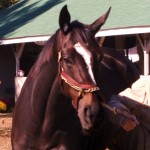 The old rule of etiquette used to be that people shouldn’t bring up politics or religion in casual social settings. It is the quickest way to anger friends, start rivalries and ignite a big ol’ brawl in any circle. I agree perfectly with this rule of etiquette, but I’d like to add one more topic to the rule: The “Horse of the Year” Award.
Last Saturday, in a not-so-casual setting, Seth Hancock of Claiborne Farm shot those fighting words into the cold Kentucky air during a press conference after Blame had just defeated Zenyatta in the Breeder’s Cup Classic. As Zenyatta was quietly escorted back to her stable, Hancock was asked who should win the highly-coveted “Horse of the Year” award. He proclaimed with certainty, “Well, I thought the battle for Horse of the Year was fought about half an hour ago and Blame won it.”
Let the rodeo begin.
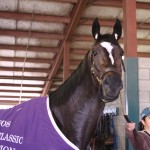 Two men can look at the same woman. One may find her beautiful, while the other finds her to be average. And, two voters can look at the same horse. One may see a decent horse, while the other person is marveling over their “Horse of the Year.” In my view, Hancock was doing just that. He had just watched Blame hold his nose in front of a bulleting monster mare and saw his “Horse of the Year.” Undoubtedly, Blame deserves praise, especially by his ownership, but winning the Breeders’ Cup Classic doesn’t necessarily clinch the “Horse of the Year” award.
How can a horse win the Classic and lose “Horse of the Year?” I believe Zenyatta would be happy to field this question for the audience. After two consecutive victories in major Breeder’s Cup outings, she received a few flowers, a couple new purses and a few bargaining chips at the voting booth. However, in the final stretch, she didn’t go home as “Horse of the Year” in 2008 or 2009.
The problem lies in the criterion that determines the Horse of the Year. It is completely subjective, and at times, downright snobby. Rifle through the “Horse of the Year” articles in the past few days and you’ll find a bundle of opinions.
The horse should win on a dirt track against male horses in Grade I races in a field of proven heavyweights.
It is also frowned upon if the races are solely in California. If a horse happens to train in California, it must be shipped all across the country to prove it is not solely a “synthetic” horse.
There is no reciprocity in the “East Coast vs. West Coast” arrangement. East Coast horses do not need to ship to California. It is presumed that they stand on golden hooves with dirt made of diamonds.
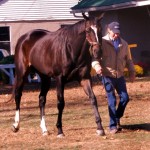 A male horse with a decent record of Grade I victories can overshadow any female horse in the field. If you’re a female, you better be able to beat the boys in every single outing against them as well as win all other Grade I outings. If you lose one race, you don’t stand a chance at Horse of the Year. It doesn’t matter if you’ve been undefeated throughout your entire career.
Finally, the female races are simply cupcake parties and bake sales. Sure, they are Grade I races, but they don’t really count for “Horse of the Year.” Since the inception of the Eclipse “Horse of the Year” award in 1971, one single female has won it through campaigning solely in female races – Azeri. Ruffian did not win the award. Neither did Rags to Riches when she beat Curlin in the stretch run of the Belmont Stakes in 2007. A victory in the Kentucky Derby won’t clinch the “Horse of the Year” award for a female either – Winning Colors and Genuine Risk already tried that path.
Somehow, Azeri slipped through a loophole in 2002 and won “Horse of the Year” through filly and mare-restricted races.
Similar to Zenyatta, Azeri built her “Horse of the Year” campaign through winning the Santa Margarita, Apple Blossom, Milady, Vanity, Clement Hirsch, Lady’s Secret and Breeders’ Cup Ladies Classic (formerly known as the Breeders’ Cup Distaff). All in all, Azeri had five Grade I wins, three Grade II victories and one successful allowance race when she was voted “Horse of the Year” in 2002.
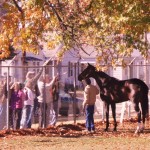 In contrast, Zenyatta tried to take the “Azeri Route” to “Horse of the Year” in 2008. She won the El Encino, Apple Blossom, Milady, Vanity, Clement Hirsch, Lady’s Secret and Breeders’ Cup Ladies Classic that season. At the end of the year, Zenyatta had three Grade II victories and four Grade I wins, including the Breeders’ Cup Ladies Classic.
Yet, Zenyatta did not win “Horse of the Year” in 2008. Her critics insisted that she raced against “nobodies” and never ran against the boys. “Cupcake Parties” don’t count.
Zenyatta put a new twist on her campaign for “Horse of the Year” in 2009. While maintaining a perfect record, Zenyatta clinched one Grade II victory and won four Grade I races in her new campaign. Among those victories, Zenyatta stunned the racing world through becoming the first female to beat the boys in the Breeders’ Cup Classic. In doing so, she put away the 2009 Kentucky Derby and Belmont winners in the same field.
Yet, Zenyatta did not win “Horse of the Year” in 2009. Her critics insisted that she campaigned solely on synthetic track, failed to ship to the East Coast and that a victory in the Breeders’ Cup Classic was really just a great “moment” in her career.
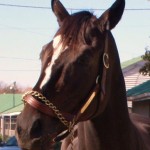 Zenyatta decided to answer all remaining criticisms in 2010. While maintaining a perfect record, Zenyatta won five Grade I races. She shipped to the Apple Blossom and won by daylight on dirt. Zenyatta pulled a “three-peat” in the Clement Hirsch, Vanity and Lady’s Secret. She became the top-earning female racehorse of all time while capturing the female record for the most Grade I victories. She reeled in the record for the most consecutive Grade I wins. And then, she shipped to Kentucky to race the boys on dirt in the Breeders’ Cup Classic.
Yet, Zenyatta did not win the Breeders’ Cup Classic. In her final majestic flight toward Blame, she lost by a head. However, in her defeat, Zenyatta actually did beat a few more boys in the career. She finished in front of ten top-notch male contenders, including the Preakness winner and Haynesfield, the horse that had previously beaten Blame this season.
And then, the rules changed on Zenyatta.
As luck would have it, some members of the racing industry started to proclaim that the “Horse of the Year” award is an honor reserved for the winner of the Breeders’ Cup Classic. This was big news. Since the inception of the race, the “Horse of the Year” award has been denied to 58% of the Breeder’s Cup Classic winners. But now, it was a new requirement.
You must be kidding me.
Zenyatta has won more Grade I victories than Blame this year. And, she has met all the demands of her critics. She shipped from California to race on dirt against the boys in the Breeders’ Cup Classic. She was the oldest horse and only female in the race. Zenyatta made this journey with a perfect record of 19-0. She was the sole undefeated horse in the field.
Zenyatta had everything to lose among rivals that stood only to benefit their own career by being “the one” to defeat the great mare.
And, she still showed up.
In fact, she rose to the challenge.
Zenyatta filled the stands and captivated the media. She danced in the paddock, pranced in the post-parade and shot like a bullet down the cold dirt track against her male counterparts in a breathtaking attempt to maintain her perfect record.
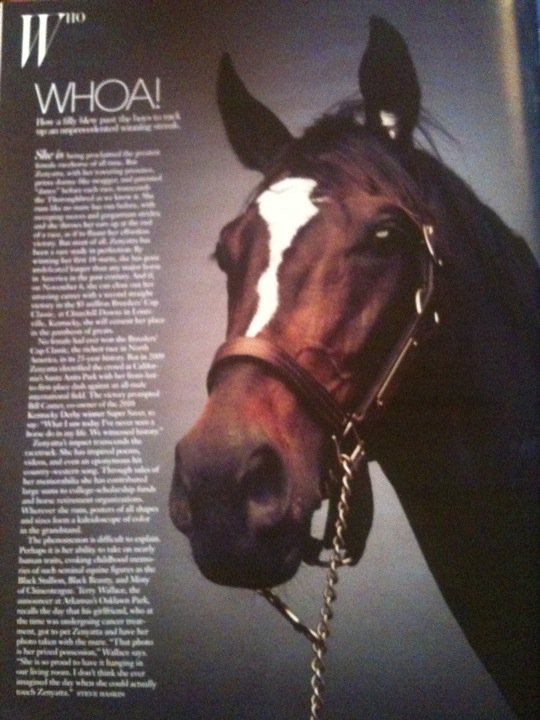
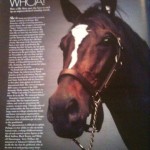 The news of her defeat hit a national audience. Hard. The viewers of that race went beyond the regular crowd. Zenyatta brought Oprah into the racing world. She was the first racehorse to ever be profiled on 60 Minutes. And, Zenyatta introduced the fashion industry to the sport in the society pages of W fashion magazine. She marketed racing to non-enthusiasts. It was brilliant, beautiful and, most importantly, successful.
The racing industry has a new group of fans because of Zenyatta. And, the treatment of Zenyatta will define our industry to non-traditional fans in the racing world.
Treat her like a Queen.
Treat her like perfection.
She’s not your average horse.
Zenyatta is Horse of the Year.
» Read the rest of this entry «
November 8th, 2010 §
Yesterday, Zenyatta fans arrived in droves at Churchill Downs to see if the wondermare could clinch a second victory in the Breeders’ Cup Classic.
Much like Zenyatta herself, they didn’t arrive quietly.
Zenyatta fans arrived in “Zenyatta fashion.”
Literally.
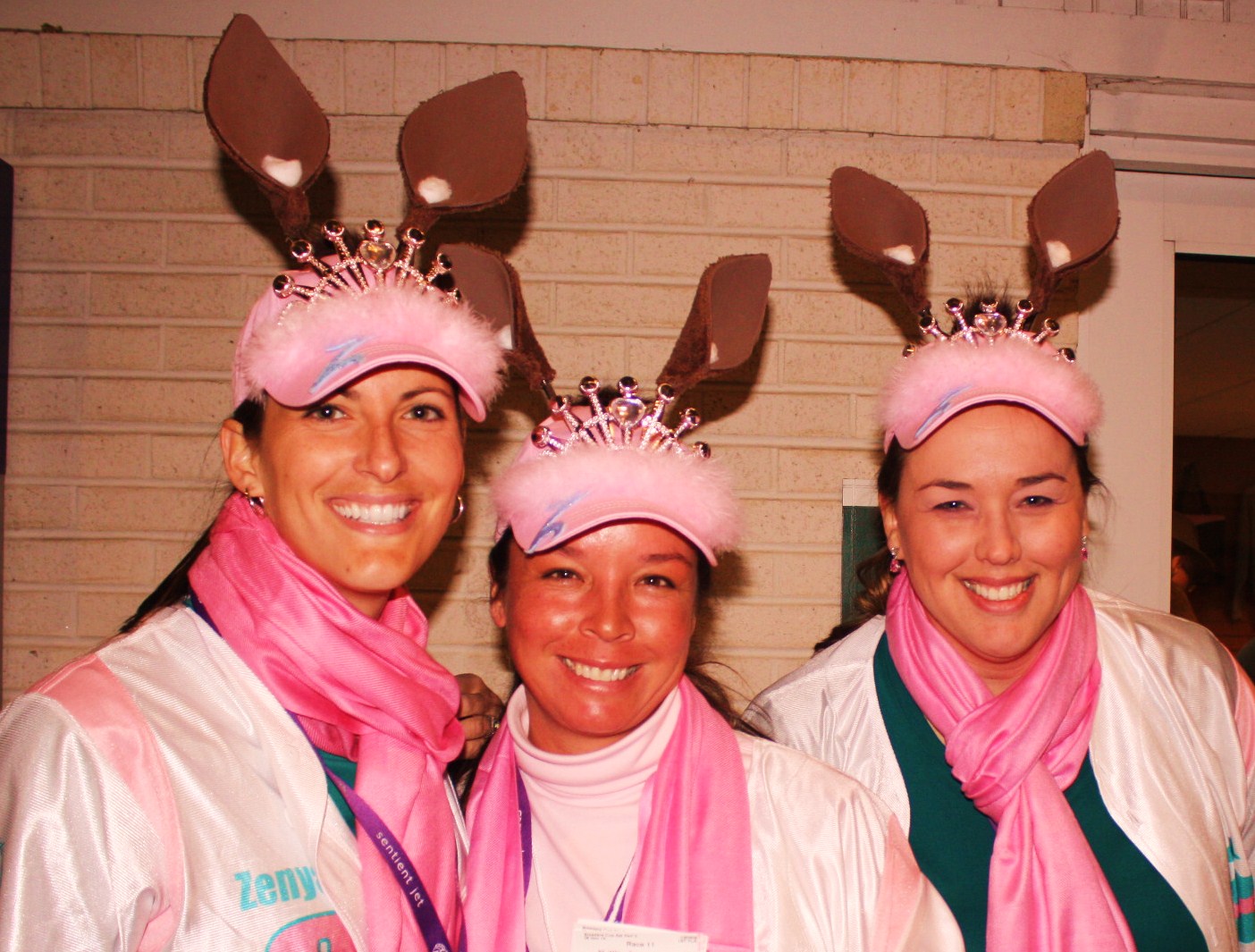
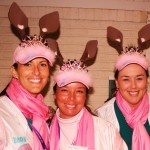 Some of her fans dressed up in Zenyatta costumes.
Many cloaked themselves in the colors of her teal and pink racing silks.
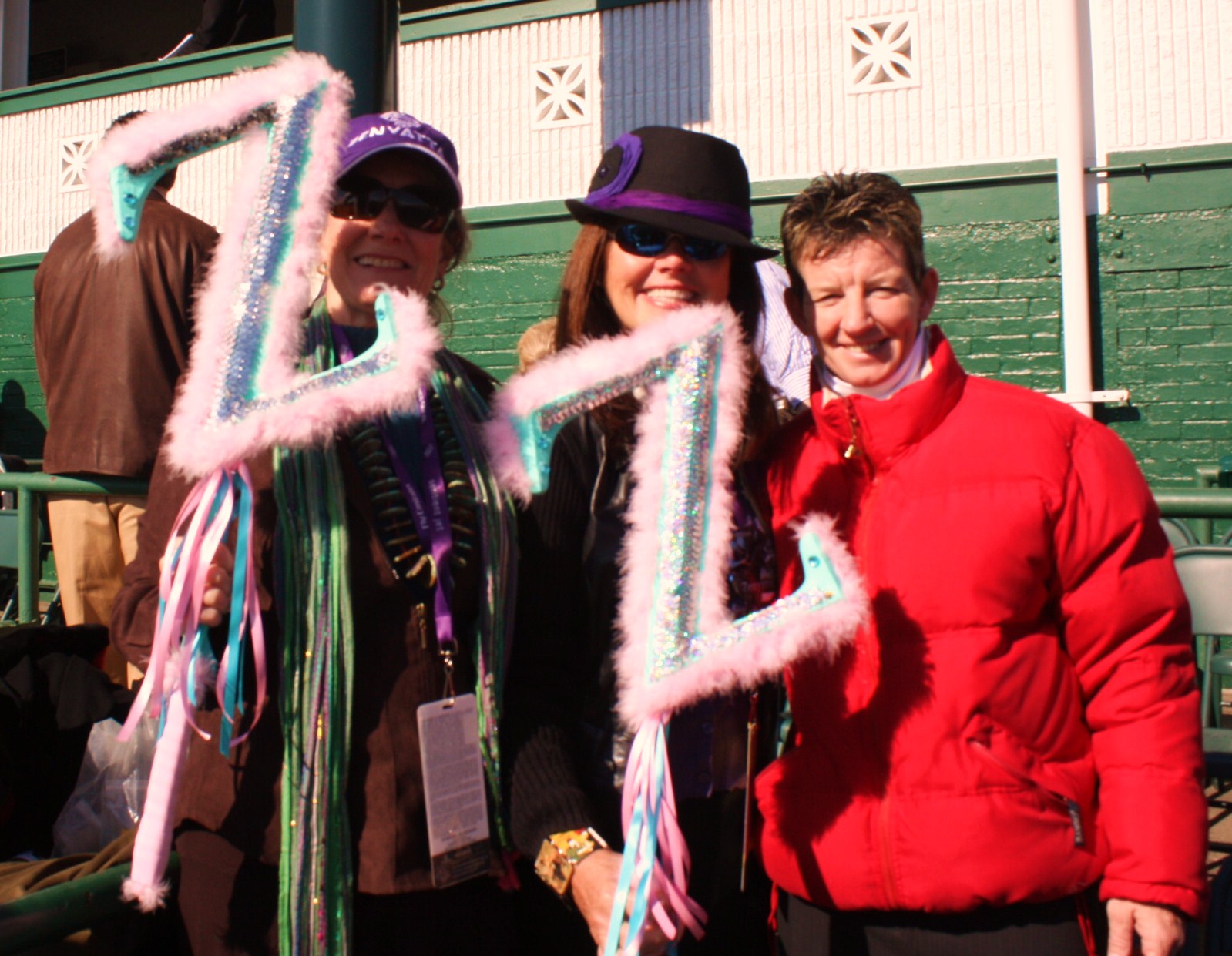
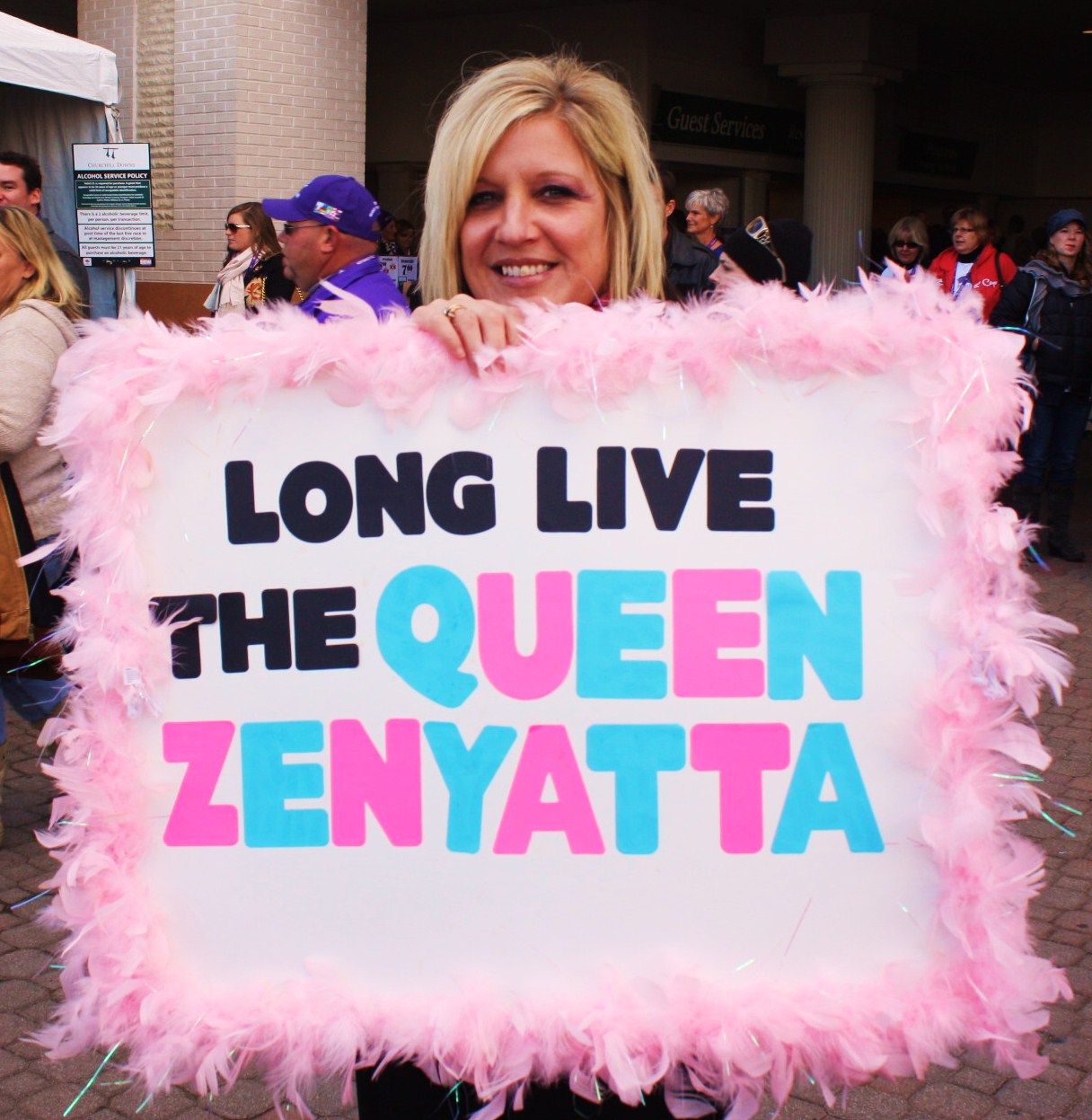
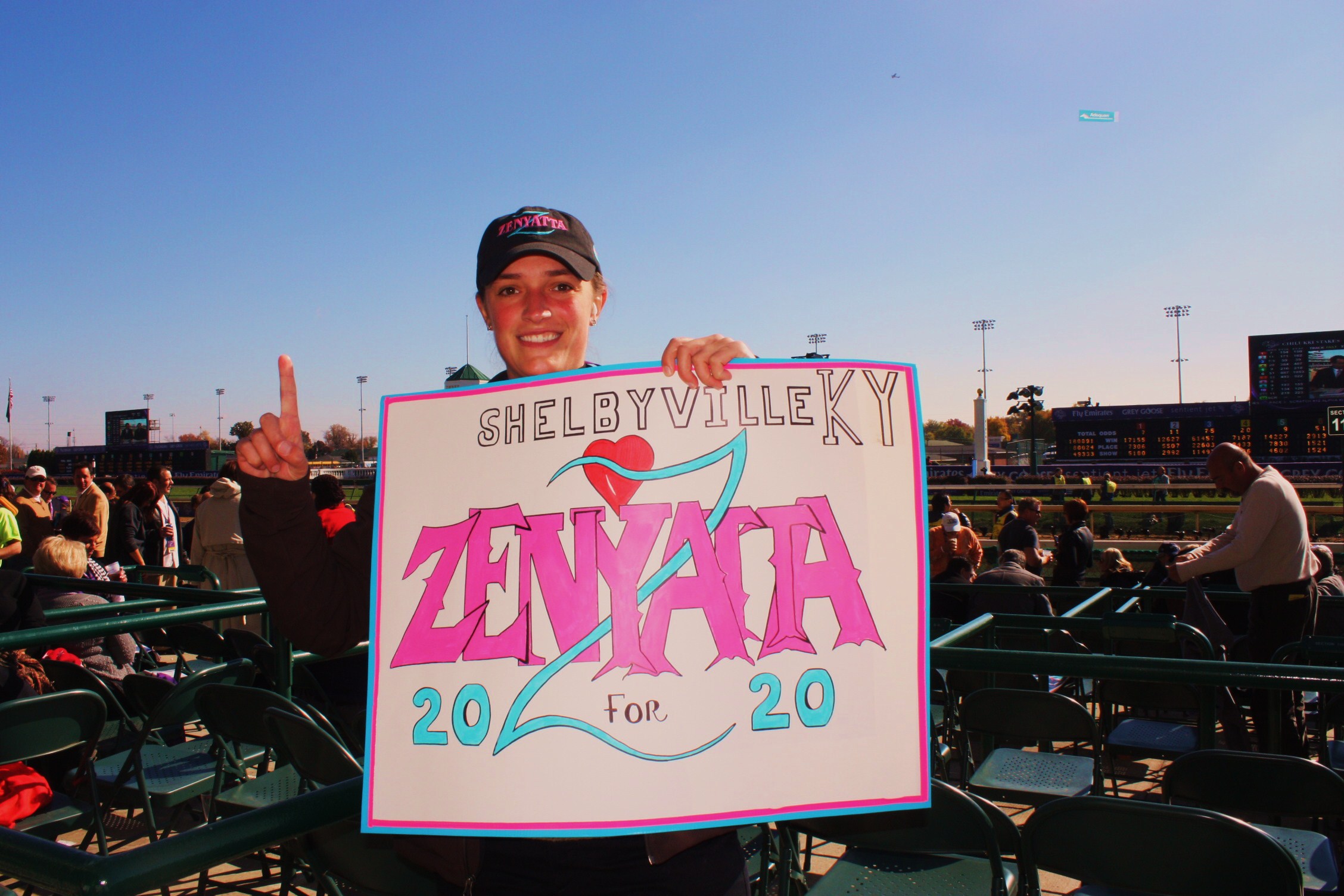
And, all throughout the track, various signs were displayed by fans in a show of support for the mare to win the Classic for a second time.
Before the race was run, Zenyatta had her own makeshift “winner’s circle” throughout the crowd.
It was her circle of friends. 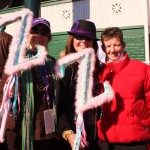
Zenyatta’s fans weaved throughout the crowd with signs that highlighted her perfect 19-0 winning record.
And, many of her friends sported “Zenyatta gear” that rooted her toward a twentieth victory in her homecoming to the Breeder’s Cup.
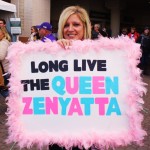 Yet, Zenyatta’s friends weren’t just captivated by her perfect record.
They were captivated by Zenyatta herself.
Her fans demonstrated unapologetic love for the mare.
And, love isn’t lost very easily.
Fans camped out all day around the paddock to catch a glimpse of Zenyatta’s patented dance moves prior to the Classic.
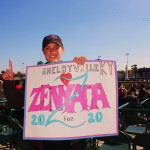 For many of her friends, it was a foregone conclusion that Zenyatta would win the Breeder’s Cup Classic.
They had come in droves to witness an unprecedented victory.
As Zenyatta broke from the gates, laughter rang throughout the crowd when the racetrack announcer noted that Zenyatta was “dead last” in the early stages of the race.
Of course she was dead last. As usual, Zenyatta was so far back in the field that she seemed to be running in a different race.
Yet, in truth, she was running for a different victory.
It was the race toward immortality.
During the final moments of the Classic, Zenyatta passed ten horses, including the Preakness winner, in a majestic flight that had the crowd on its’ feet and nearly all eyes on one single mare. Many people began to scream “She’s won it!” as Zenyatta bounded down the stretch to catch her last rival – Blame.
Yet, Blame wasn’t willing to curtsy to the Queen. He dug in as Zenyatta drew close and shot his stubborn nose in her face.
A hush fell across the crowd.
Zenyatta had lost the Classic.
Blame pranced into the winner’s circle and was draped in the Breeders’ Cup Classic garland. He won clean, simple and straightforward. And, no one can dispute his victory. He raced an undefeated supermare and beat her fair and square.
But, in defeat, Zenyatta clinched another type of victory.
As she stood outside the winner’s circle, the crowd rose to deliver a standing ovation to Zenyatta.
Many people cried at the sight of her losing.
They stood speechless as they watched their vision of perfection slip away.
Yet, in the moments that followed, Zenyatta showed a new vision of perfection.
It was the immortal kind.
There was a heartbroken sentiment that shot through many parts of the crowd, social networking sites and in the living rooms of television viewers across the nation.
The sentiment showed a true love for the mare, even in defeat.
She had won hearts during her journey in racing.
And, love beats trophies and garlands.
Zenyatta proved that one to be true.
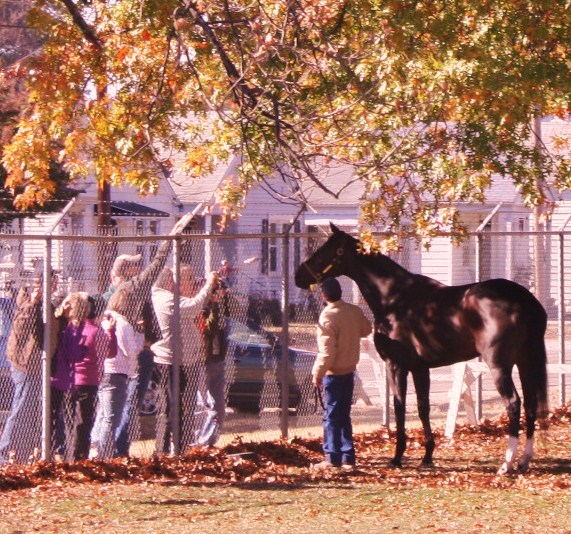
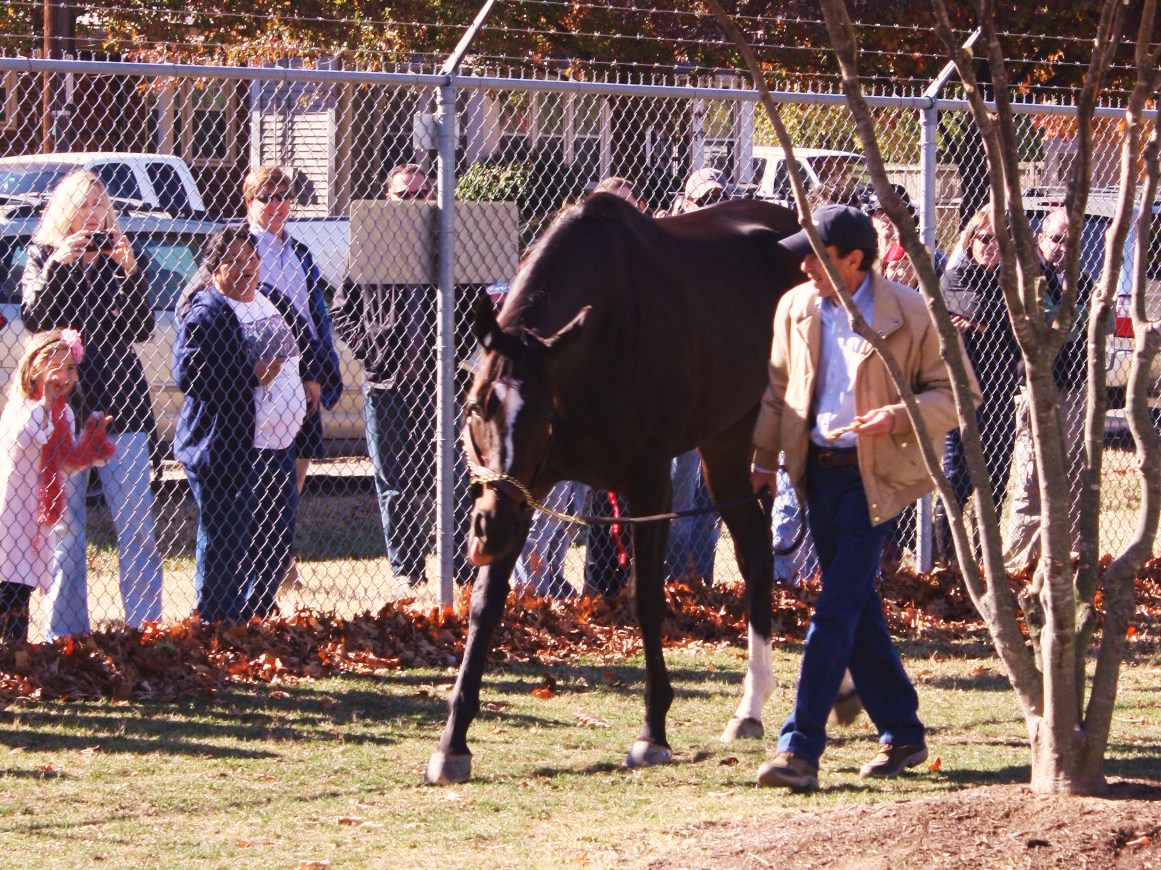
This morning, Zenyatta hosted a “Meet and Greet” for her fans and friends outside her barn at Churchill Downs race track.
At first, it seemed like Zenyatta didn’t get the memo. The horse that lost was holding a “Meet and Greet” immediately following a defeat?
You bet.
Zenyatta doesn’t follow the typical formalities in racing and its’ brought some not-so-typical fans into the sport.
At Barn 41 this morning, a perfect Thoroughbred invited her fans for a visit.
It was a different kind of winner’s circle for Zenyatta.
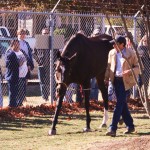 Zenyatta showed a few of her trademark dance moves.
And, the fans smiled.
Zenyatta showed personality in greeting new faces.
And, the fans flocked toward her presence.
Zenyatta promenaded past the crowd.
And, the fans held “Zenyatta” signs in support.
Zenyatta straightened her neck to pose for pictures.
And, the fans stood in line to get a snapshot with Zenyatta.
Zenyatta appeared unconcerned about her loss in the Classic.
And, she put her fans at ease.
Zenyatta held court in her own winner’s circle this morning.
She relished in the love of her fans as they circled around her today.
Despite defeat, Zenyatta still reigns as “The Queen of Hearts.”
And, in doing so, she remains perfect at it.
To view more pictures of Zenyatta’s “Meet and Greet” today, please visit us on Facebook by clicking here.
» Read the rest of this entry «
November 2nd, 2010 §
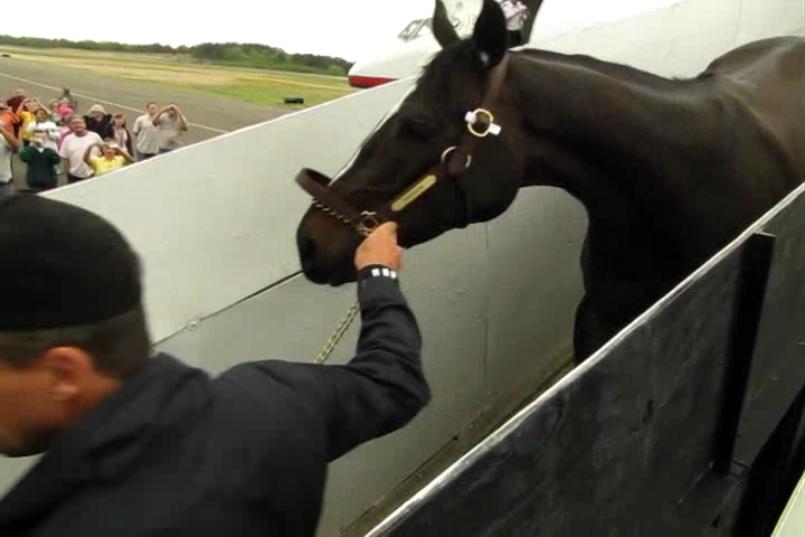
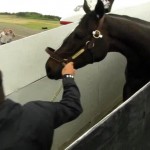 Today, Zenyatta received a royal reception as her plane landed at Louisville International Airport from her home base in California.
Zenyatta gently stepped from the plane and was carefully loaded into a private van as a group of spectators stood to catch a glimpse of the mare. The van headed straight to Churchill Downs, accompanied by a two-car sheriff escort during her five-minute ride to the track.
It appears no one is willing to mess with perfection.
And, Zenyatta is just that.
Perfection.
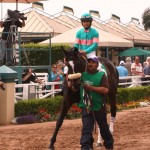
The Breeder’s Cup Classic 2.0 Version of Zenyatta has received some upgrades since her last venture toward the richest race in North America. She still dances throughout the paddock, slams a Guinness like a champ and remains undefeated in all of her career starts.
However, Zenyatta 2.0 has upgraded from the 13-0 record that she held when she entered the Breeder’s Cup Classic in 2009. The 2.0 version of Zenyatta holds a perfect 19-0 record. She is the highest earning female horse in history. And, she has won more consecutive Grade I races than any horse.
Zenyatta 2.0 has pulled three “three-peats” through her series of consecutive victories in the Clement Hirsch, Vanity, and Lady’s Secret. And, she’s pointing toward a “three-peat” in the Breeder’ Cup.
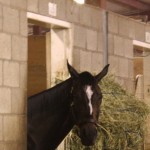 As of now, no horse has ever won three consecutive Breeder’s Cup races. Yet, Zenyatta 2.0 doesn’t believe much in “never happens” and “impossibles.” She hoof-kicked those ideas straight out of her stall long ago.
Yes, there is a “Triple Crown” in play this year. And, it’s between Zenyatta and Goldikova at the Breeder’s Cup.
Let the wild rumpus begin.
Similar to last year, Zenyatta faces a tough field and a handful of critics.
Yet, Zenyatta 2.0 is also managing social calendar that makes Paris Hilton look like a shut-in. She is in the society section of W fashion magazine. And, she’s listed as one of the most powerful women in Oprah’s kingdom. Zenyatta 2.0 has a country song, an L.A. Dodgers Billboard, and was recently featured in a segment on 60 Minutes, questioning whether she is possibly the best racehorse ever.
Zenyatta has become a “Zen-sation” across the nation in her journey toward her second Breeder’s Cup Classic. As Bob Anderson, the producer for Zenyatta’s 60 Minutes segment explained, “Little by little, she sort of seduces you.”
Remember the first version of Zenyatta at the Breeder’s Cup Classic? There wasn’t a police escort to guide her to the track. Oprah and 60 Minutes were nowhere to be found. Zenyatta stood there as the lone female in the gates, rubbing shoulders with the Kentucky Derby and Belmont Stakes champions.
It was the first time she ever raced the boys. And, as luck would have it, she happened to be doing it in front of an international audience during the richest race in North America. If Zenyatta could talk, I would have paid serious money to hear her thoughts as she stood waiting for the gates to snap open during those golden seconds. I imagine she had a few priceless sentiments swirling around in her head.
Yet, despite the odds, Zenyatta delivered a breathtaking performance as she became the first female horse in history to beat the boys in the Breeder’s Cup Classic. She appeared to have accomplished all she had to give the racing world and was widely-believed to be retired after the race. Case closed.
Or was it? Zenyatta is in the business of perfection. And, in her mind, she had some unfinished business before she made her final curtain call.
In January of 2010, Zenyatta stepped out of retirement and pointed toward the track again. It appeared she was tired of hearing “never has,” “impossible,” and “couldn’t do.”
Enter Zenyatta 2.0.
The previous version beat the boys.
Zenyatta 2.0 can win by daylight on dirt, roll like a Rockefeller in earnings and hold a modern day revival for horse racing on a national stage. And, she can do it while building a perfect 19-0 record.
And still, the critics aren’t impressed.
Well, if perfection doesn’t please a person, nothing will.
They said she couldn’t beat the boys. And then, she did it.
They said she couldn’t win on dirt. And then, she did it.
They said she couldn’t win outside of California. And then, she did it.
They said she was beating up on “nobodies.” And then she beat the Kentucky Derby and Belmont winners in the same race.
And, now the critics have fused all complaints into one tall order: Can she beat the boys on dirt in a top-notch field outside of California in the richest race in North America as the oldest horse in the gates?
I sure hope she can do it.
Yet, Zenyatta has already done all of these things at different points in her career. And, if she does it all at once this Saturday, the critics will inevitably dream up new reasons to undercut her achievements.
Some people can’t be pleased, even by perfection.
And, Zenyatta is perfection.
On Saturday afternoon, a lone six-year-old female will enter the gates at Churchill Downs with a perfect record. She’ll be brushing shoulders with the Preakness winner and some of the most talented male horses in the racing world on an international stage. She’ll be standing on the same dirt where every Triple Crown winner in history started their journey in the Kentucky Derby. And, she’ll be running for the “Triple Crown” of the Breeder’s Cup.
Zenyatta deserves an ovation from the crowd whether she wins or loses in her quest. She has accepted every challenge throughout her career and delivered a victory in every outing. And, Zenyatta has traveled where most champions fear to tread – the place that holds the real potential for defeat. This is the mark of true legend.
Legends take risks that outweigh rewards.
Legends take challenges that seem insurmountable.
Legends survey the existing world and carve their own path.
This is the mark of true greatness in any field.
This is the mark of Zenyatta.
» Read the rest of this entry «
October 18th, 2010 §
Click Photo to Watch Zenyatta Video
With Zenyatta’s final race scheduled for the Breeder’s Cup Classic, it is hard to find any new words to say about this amazing champion.
I’ve written several articles about Zenyatta at this point.
They mark out her many endeavors and outstanding achievements in her career.
But, the bottom line remains the same - I think she’s absolutely perfect.
Rather than write another piece about the greatness of Zenyatta, I wanted to show her in motion. The beauty of watching her move tells her story better than any words I can find.
I believe she is the best racehorse that I will witness in my lifetime.
Zenyatta has traveled beyond my wildest dreams of a racehorse. She dances. Paints for charity. Celebrates her birthday (with cake). Drinks Guinness. And, Zenyatta proved she could beat the boys in the richest race in North America in 2009 – The Breeder’s Cup Classic.
Zenyatta remains perfect with a 19-0 racing record as she heads into her last start. She has amassed thirteen Grade I victories. And, she has surpassed the 18-0 undefeated record of Eclipse, the namesake to the Horse of the Year award.
I wholeheartedly believe Zenyatta deserves the “Horse of the Year” award whether or not she wins the Breeder’s Cup Classic. And, if they invent a “Horse of a Lifetime” award, my vote goes to Zenyatta as well.
In celebration of her career as she heads into the Breeder’s Cup Classic, I am posting a video montage of Zenyatta’s previous Breeder’s Cup victories, along with footage of her dance routines and photos. Click here to view the Zenyatta tribute for the Breeder’s Cup.
I hope you enjoy the Zenyatta show.
I believe it is the greatest show on earth.
Thank you for the show, Zenyatta.
» Read the rest of this entry «
 Perhaps, a dimension of Hansen’s beauty is the reminder that money alone can’t buy a “once-in-a-lifetime” horse. They simply appear in places where that unwavering hope exists. And, where Hansen first “appeared” was when a $5,000 claiming horse named Stormy Sunday gave birth to a Tapit foal bred by Dr. Hansen himself. The colt never set foot in an auction ring in an attempt to garner millions of dollars in bids. There was simply a near-white colt, born to a seemingly common mare, that appeared one day in a place that could have been any foaling barn.