November 21st, 2010 §
Truman Capote once said, “More tears are cried over answered prayers than unanswered ones.”
I would like imagine Capote was a horse racing fan when he conjured up those words.
When a legendary horse shows up, it is an answered prayer. They aren’t beholden to the result of a single race. Instead, the great ones take fans on a journey. They aren’t defined in minutes, but rather, through moments. And, as a result, it seems as if the clocks simply stop ticking. A timeless horse doesn’t answer to seconds on a stopwatch. They answer to their own legacy.
When a great horse concludes their racing journey, they leave a deep void among their fans. It can make you wonder if you’ve already seen everything that is possible in racing. And, when the clocks start ticking again, it can seem as if there is no reason to keep watching. It is moment where your prayer was answered, but you are left without the rapture of a dream.
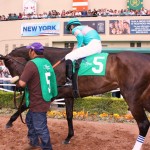 Zenyatta was the horse that took me on a journey that traveled in moments, rather than minutes on a race track. And, when she retired, I wondered if I would ever see a horse that could follow in her dizzying footsteps. I had just seen my once-in-a-lifetime racehorse. The possibility of her coming around twice didn’t seem plausible.
And, in all reality, there won’t be another 19-1 dancing race horse that can charm the birds from the trees with her friendly disposition while parading across the national media circuit. I know better than that. Zenyatta is one-of-a-kind, which is the true mark of legend.
Yet, I’m not done with horse racing because Zenyatta has entered retirement. In fact, I’m watching even more closely now.
You see, the great ones simply appear from time to time, without notice of their impending arrival. And, if you’re not watching, you’ll miss it.
I wouldn’t have missed Zenyatta’s career for the world. Yet, the world couldn’t have convinced me that a dancing mare was going to show up and rocket through a nineteen-race winning streak. I had to see her with my own eyes to believe it. And thankfully, I was watching when my once-in-a-lifetime horse showed up.
Zenyatta will not be the last “great one” in this sport. Racing has had plenty of legends. And, although we love to compare them, you will never take the same journey twice in the racing world.
When Man ‘O War retired, turf writer Joe Palmer wrote that he “was as near a living flame as horses get… he smashed his opposition, sometimes by a hundred lengths, …he set world records… You felt that there had never been, nor could ever be again, a horse like this.”
He was right. There will never be another Man ‘O War.
But, there is always the impending arrival of the next “great one.”
When Secretariat ended his career, turf writer Charles Hatton stated, “He’s the greatest horse that anyone has ever seen. Don’t let anyone kid you. He could do anything, and he could do it better than any horse I ever saw. No question about it in my mind.”
He was right. There will never be another Secretariat.
But, there is always the impending arrival of the next “great one.”
When Seattle Slew left racing, his groom, John Polston, walked away from the sport. He explained, “After a horse like Slew, there was nothing. I didn’t want to be around horses anymore, because I knew it wouldn’t be the same.”
He was right. There will never be another Seattle Slew.
But, while Seattle Slew was capturing the Triple Crown, the next “great one” was already grazing in the fields. One year later, that horse would come to be known as “Affirmed.” And, since Affirmed, we haven’t seen a Triple Crown winner again.
But, there is always the impending arrival of the next “great one.”
Within a few years, John Henry reminded the sport that anything is possible when he won the Arlington Million in a seemingly-impossible, come-from-behind victory in 1981. And, he reminded us again when he won the Million a second time as a nine-year-old.
When John Henry was gone, Chris McCarron reflected, “…He did so much for racing, even after he retired. He will be impossible to replace.”
He was right. There will never be another John Henry.
But, there is always the impending arrival of the next “great one.”
And, in recent years, we’ve seen greatness in ways that weren’t imaginable until it simply showed up.
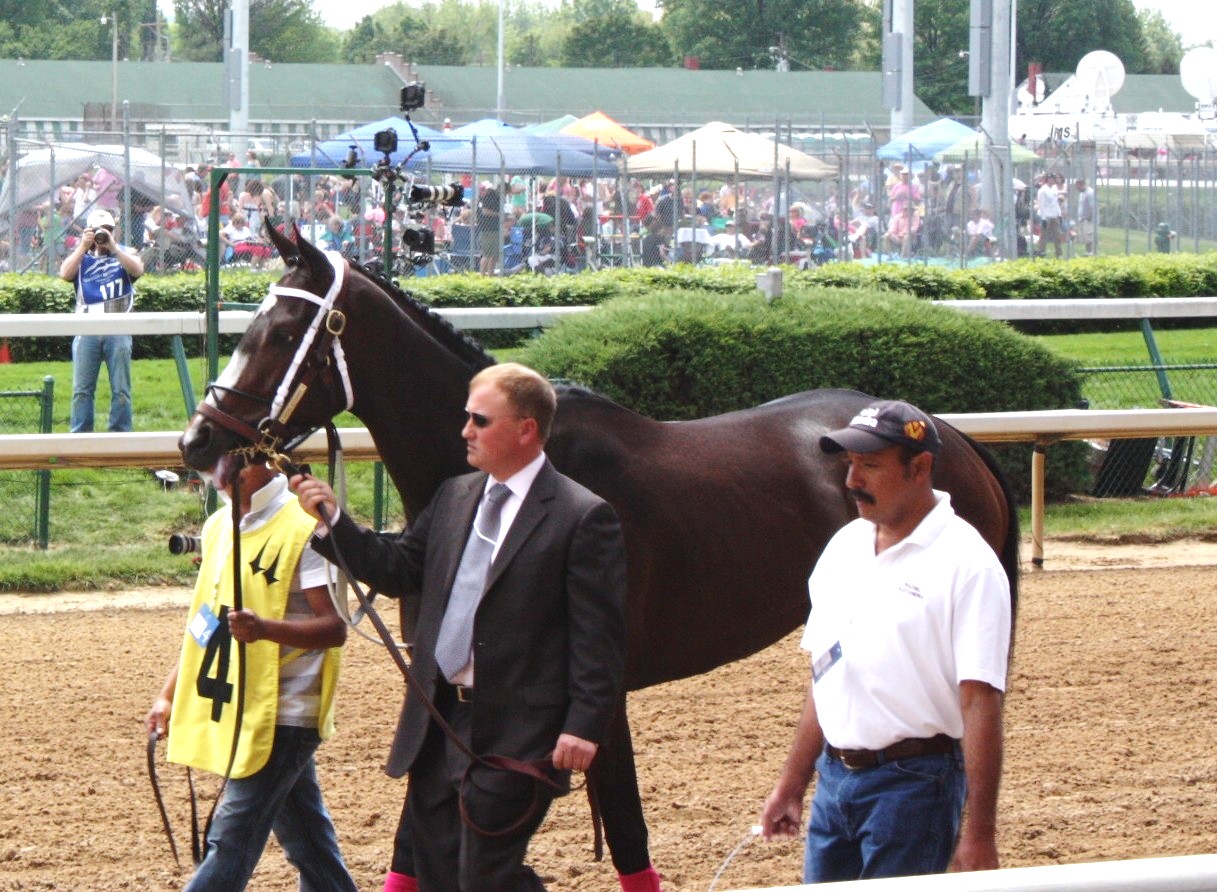
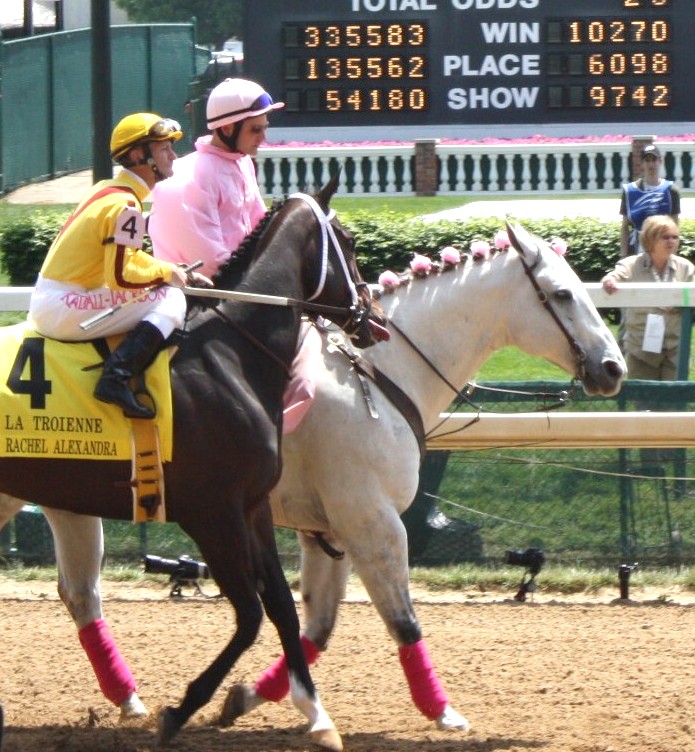
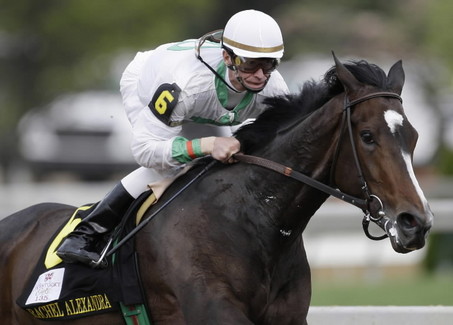
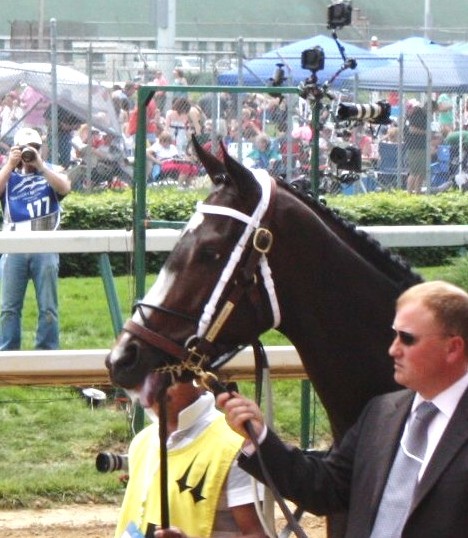
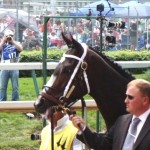 You saw it in Rachel Alexandra.
When she retired, Jess Jackson marveled, “…She set standards and records that no filly before her had ever achieved. And I suspect that it will be quite a while before a three-year-old filly ever equals or surpasses her achievements.”
He was right. There will not be another Rachel Alexandra.
She was one-of-a-kind.
But, there is always another “great one.”
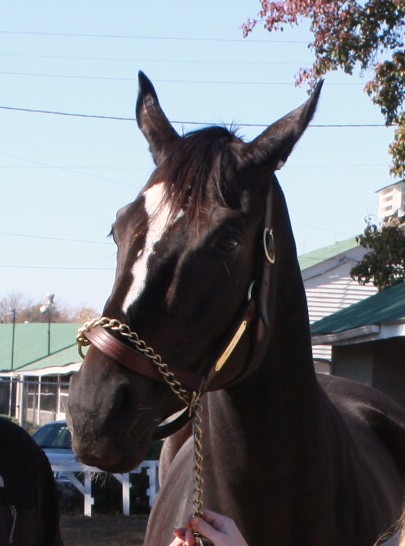
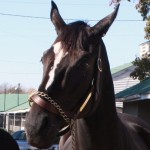 You saw it in Zenyatta.
After her final race, Peter Ellis remarked, “I don’t think people are going to realize just how special she is until she is gone because there will never be another one like her.”
He was right. There won’t be another Zenyatta.
But, there is always the impending arrival of the next “great one.” And, like Affirmed, “the one” could be grazing in the fields at the moment. Or maybe, “the one” is already racing right now.
I’m watching closely.
Because, if history teaches us anything, it is that the “great one” arrives unexpectedly.
In a flash, they show you something unimaginable.
And, the journey begins again.
August 31st, 2010 §
Last weekend, Rachel Alexandra held a match race.
It’s wasn’t an official match race.
Other contenders were in the field.
And, the match race wasn’t against Zenyatta.
But, it was against a horse that was riding a record of six consecutive victories – Life at Ten.
Officially, Persistently won the Personal Ensign at Saratoga. It was a great victory for a horse with final odds of 19-1 as she entered the gates against a top-notch field.
And, Persistently deserves respect for beating the reigning Horse of the Year while clinching her first Grade I career victory.
Yet, in my mind, there was a race inside the race.
It was a match race between Rachel Alexandra and Life at Ten.
It was a race between the reigning Horse of the Year and a rival who had been undefeated in her last six consecutive starts.
Sound familiar? It was similar to the match race that the racing community has pondered since Zenyatta crossed the finish line in the Breeder’s Cup Classic.
Life at Ten slammed her six-race undefeated record on the line to square-off with reigning Horse of the Year, Rachel Alexandra.
And, neither of them won the official race.
But, there was a race inside the race.
The rest of the contenders fought against the field.
Yet, Rachel and Life at Ten fought against each other in a match.
And, in the first two-turns, racing saw something stunning. The two great horses called a match, dug-in, blew past their rivals and shot out on their own.
Stride-for-stride, they fought like warriors against each other in a forgotten field of fellow contenders.
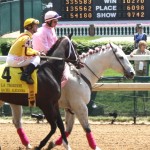 It was if Rachel said, “Fine. If a match race is what you want, I’m delivering it. Right here. Right now. On my terms.”
It was gutsy. It was beautiful. It was stunning.
It displayed the pure glory of Rachel Alexandra that led to her coronation as Horse of the Year in 2009.
Yet, in reality, she lost the Personal Ensign.
And, since the race, the focus shifted toward the defeat of Rachel by Persistently.
But, there was a race inside the race.
It was a match race between two great horses.
It was the moment that Rachel stomped out, picked her own opponent and started a match race on her own terms and timing.
And, Rachel claimed a personal victory when she finished in front of Life at Ten.
She may have not run the match race that racing wanted to witness.
Nor did she pick the opponent that many saw fit.
And, she didn’t win the Personal Ensign.
But, there was a race inside that race.
It was a match race.
And, Rachel Alexandra won the match.
To see footage of the Personal Ensign, click here.
March 10th, 2010 §
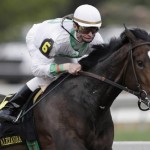
With the $5 Million Apple Blossom showdown between Rachel Alexandra and Zenyatta scheduled for April 9, Jess Jackson, co-owner of Rachel Alexandra, has begun an interesting media poker game in the past few days.
In a recent New York Times Article, Jackson appeared to be gearing up for an excuse to back his horse out of the Apple Blossom. Jackson stated that he gauged her fitness at “about 85 percent” of where she should be now. He then elaborated, “We are targeting the Apple Blossom. We are stretching to get there. But if we’re not in top shape, we’re not going.”
It seemed like a pretty basic statement. The industry and fans would not want to jeopardize the health of Rachel Alexandra for any race. In all honesty, I wondered why he even emphasized it at all since it was fairly obvious.
Then, I read a recent post by NTRA Blogger Bob Ehalt and began to rethink the New York Times interview. In his blog, Ehalt saw what I missed – two possible bluffs by Jackson in the ongoing “poker race” between these camps. Ehalt wrote:
If you also read the words of Rachel Alexandra’s co-owner Jess Jackson in the New York Times last week, you have to wonder if the Apple Blossom might wind up a walkover.
Jackson certainly did not sound like someone who is eagerly awaiting the race. He continually stressed in the article that he would not run his filly unless she is 100 percent fit, which is hardly the year’s biggest scoop.
Yes, Jess, we know. Guys who own claimers do not run their horses when they have problems, so it’s a given that a horse as beloved and valuable Rachel Alexandra will not be risked. So why remind of us that. Why not follow the lead of Zenyatta’s owners Jerry and Ann Moss and just say you’re on course for the Apple Blossom and you hope to make it. If you can’t, let us know. Otherwise we’ll see you in Hot Springs on April 9. Don’t keep reminding us of what we know already. It’s sort like pointing out that we all have to pay taxes and die.
One of the possible explanations for comments like that from Jackson is that he is looking for an excuse.
In my mind, Ehalt called the first bluff. No one wants to risk an injury to this beautiful horse. If Rachel is not physically sound at the time of the Apple Blossom, she can decline to race at that point.
Then, I began to wonder. If Rachel is admittedly only at “85 percent” of where she should be now, why is Jackson racing her this weekend in the $200,000 New Orleans Ladies Stakes? It seems like a great risk to take a highly-prized horse to a relatively minor career race when she is only performing at “85 percent.”
It may be that Rachel Alexandra isn’t fit for a Grade 1 race at this point in the season and Zenyatta is still performing as a Grade 1 horse. It may be as simple as that. Or maybe not.
Where Ehalt’s article calls the heart of the bluff is Jackson’s newest comments about a three-race series between Rachel Alexandra and Zenyatta. In the New York Times, Jackson plainly states, “If they beat us in one race, they might just disappear and retire her undeafeated… If they commit to the best of the three, it would be great for the sport and a better way to judge both of these great horses.”
Ehalt sees Jackson tip his hand in the Poker game. “How do we rationalize Jackson’s newest comments about a three-race series? Everyone would love to see these magnificent horses race three times. Yet Jackson says his desire for a three-race series is just in case Zenyatta wins the Apple Blossom and her connections retire her. He wants another crack at her.”
And, Ehalt calls the bluff. “Why bring that up as a concern? It certainly wasn’t the type of comment one expects from an owner who believes his horse is as good as Ruffian.”
He’s right. Why is this a concern? This is a test of who wins when pegged against the other champion. It is not a “two-horse triple crown” series.
Neither horse should race if they aren’t sound. The welfare of these two amazing horses preempts any other concern or interest. This is not a subject of debate.
If both horses are sound on April 9, there should be one single race. Rachel Alexandra won a single title – Horse of the Year. Zenyatta waged a serious challenge to Rachel Alexandra’s nomination for the title in one single win – The Breeder’s Cup Classic. Neither horse had three tries to match the crowning accomplishment of their rival.
If Rachel Alexandra loses the race, and Zenyatta retires, both horses remain champions. It’s time to stop playing poker with race cards. It’s time for the match.
January 16th, 2010 §
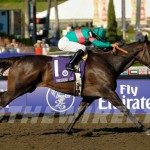
On Monday, the winner of the prestigious “Horse of the Year” Eclipse Award will be announced and two breathtaking fillies remain in a dead heat for title. Throughout most of the 2009 racing season, Rachel Alexandra dominated the sport with flashy wins against other fillies, taking down the boys in three separate races, and, ultimately, being the first filly in 85 years to capture the Preakness Trophy. Of her eight starts as a three-year-old in 2009, she remained undefeated and ended her racing year as the first filly to win the Woodward Stakes.
By September of 2009, I believed Rachel Alexandra was the clear choice for “Horse of the Year” having watched her trample the field in the Kentucky Oaks, take down the Derby Winner in the Preakness, and close her season with her historical win in the Woodward Stakes. If anyone had challenged that notion, I wouldn’t have hesitated to hold a good old-fashioned yelling match to defend Rachel’s right to the title. In my mind, it was inconceivable that any horse could out-perform this “Super Filly.”
And then, the unconceivable arrived. On November 7, 2009, an undefeated five-year old female named Zenyatta walked onto the track at Santa Anita and dared every boy standing at the gate to defeat her in the richest race in America.
It was such a bold move that I skipped a wedding to watch her try.
As the gates opened, Zenyatta trailed the field. Throughout middle of the race, I watched with heartbreak as she hung in last place. It looked as if expectations had exceeded her ability. When it appeared near hopeless, Zenyatta made the bid for her place in history. She began to pick off her opponents near the last turn and went wide on the home stretch to deliver a seemingly late charge for the finish. In the final seconds, Zenyatta drove seamlessly past her contenders at the wire to win the Breeder’s Cup Classic. In this historical moment, my allegiance for “Horse of the Year” shifted from Rachel Alexandra to the first filly to ever take the most expensive race in America – Zenyatta.
Admittedly, Zenyatta’s contention for “Horse of the Year” would not be such a threat to Rachel Alexandra without her historical win in the Breeder’s Cup Classic. However, I am not in the business of rewriting history. In fact, Zenyatta’s bid for “Horse of the Year” is perfectly in sync with the historical background and ultimate spirit of the Eclipse Awards.
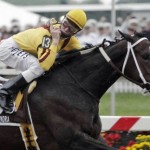 When the Eclipse Awards were founded in 1971, they were named in honor of a British racehorse and sire from the 1800s, named “Eclipse.” As a racehorse, Eclipse did not begin his career until he was a five-year-old and remained undefeated throughout the eighteen races in his career. In recognition of his legacy, Eclipse became the namesake to what are arguably considered the most prestigious achievement awards within the American horse racing industry.
By the very nature of the Eclipse Awards, the award categories provide a separation for age and overall achievement. Aside from “Horse of the Year,” which encompasses all ages and genders, the Eclipse Awards also maintain separate categories for the best “Three-Year-Old Filly” and “Three-Year-Old Male.” The scenario between Rachel Alexandra and Zenyatta appears to have been given some forethought prior to this moment.
Eclipse himself could not have won the best “Three-Year-Old Male” Award, just as Zenyatta can no longer compete for the best “Three-Year-Old Filly” award due to the age restriction. The Awards appear to follow the design that a “Three-Year-Old Filly” may become “Horse of the Year,” but that the rapture of the Triple Crown racing season cannot discount the outstanding performances of all racehorses during a given year.
Admittedly, Rachel Alexandra had an electrifying year as a three-year old horse – irrespective of her gender. If she had shown up to Santa Anita on November 7th to win the Breeder’s Cup Classic, there would be very little debate that she had earned the “Horse of the Year” Award. But, as Zenyatta trampled down the full field of skilled male horses to earn the distinction of the first filly to win the Breeder’s Cup Classic, Rachel Alexandra quietly stepped aside and placed her bets on her three-year-old season. When Zenyatta was first at the wire, Rachel lost her bet.
Zenyatta’s win in the Breeder’s Cup Classic holds more historical significance than any of Rachel Alexandra’s wins within this season. Zenyatta won the most expensive race in the United States. She is the first filly to ever accomplish this feat. The Breeder’s Cup Classic is one of the most contentious races in America – the field is full of great horses from varying backgrounds who are proven winners.
In contrast, Rachel Alexandra’s first Grade One win was in the Kentucky Oaks – among other fillies. Her next race, among males in the Preakness, is an impressive win – but not a “Game Changer.” Prior to Rachel, four fillies had already won the Preakness Stakes – the most recent win being in 1924. Further, the Preakness is the shortest distance of all three Triple Crown races, the Belmont being the longest race in the United States at a distance of 1 ½ miles. When Oaks-Winner Rags to Riches beat Curlin in the 2007 Belmont Stakes, Curlin was still awarded the distinction of “Horse of the Year” despite the fact that a Filly had not won the Belmont in over a hundred years when she crossed the finish line.
Zenyatta also holds distinction for building her undefeated record on a higher grade of races than Rachel Alexandra. In her career, Zenyatta has consistently run in only Grade 1 and Grade 2 races – remaining undefeated. In contrast, Rachel Alexander gradually worked from Grade 3 races into Grade 1 races, finishing second in both of her Grade 3 races. When viewing the overall career record of both horses, Zenyatta is the only undefeated horse who never delved below a Grade 2 race.
Finally, Zenyatta’s wins earned more money in 2009 than Rachel Alexandra. In 2009, Zenyatta was the second-highest ranking horse, boasting $3,330,000 in earnings. In comparison, Rachel Alexandra ranked fifth in 2009, bringing in a total of $2,746,914.
With the entry of more fillies in the prestigious male-dominated horse races, the industry is now squarely-faced with “The Filly Eclipse” for the Horse of the Year. Fillies are running alongside their male-counterparts and winning. When Rachel Alexandra ended her racing season in September, many believed that she had earned “Horse of the Year” over her potential male rivals for the Award. On November 7th, 2009, Zenyatta placed herself in undisputed contention with Rachel Alexandra as she moved past the finish line at the Breeder’s Cup Classic. Those watching the Breeder’s Cup Classic witnessed the first “Filly Eclipse” in history for the Horse of the Year Award.
After the Breeder’s Cup Classic, there have been arguments to hold a match race between Rachel Alexandra and Zenyatta. This would not add or subtract anything from this competition. Zenyatta and Rachel Alexandra are two distinct horses at different places in their career with their own unique character. They race in two separate fields - Rachel performs better on dirt and Zenyatta excels on synthetic track. If they ever settled where to run this race, the next question would be why the race should be run. This is a competition for the “Horse of the Year”- not “Best Filly of the Year.” It just happens to be that the two final contenders are fillies.
In the case of Rachel Alexandra, I truly believe that she has gone above and beyond to win the distinction of being the best three-year-old filly for 2009. She took on the boys, outran them, and bested the field with her astounding margins of victory in filly races.
Then, in a rare moment in November, “The Filly Eclipse” occurred and Zenyatta obscured all opposition.
When Zenyatta crossed the wire in the Breeder’s Cup Classic, she took my vote for Horse of the Year through pioneering a win in the most expensive race in America amidst a field a hard-tested males from various ages and backgrounds. It was an electrifying performance that not only earned her a place in the history books, but also, the well-earned distinction as “Horse of the Year.” I had seen my first ”filly eclipse.” It was breathtaking.
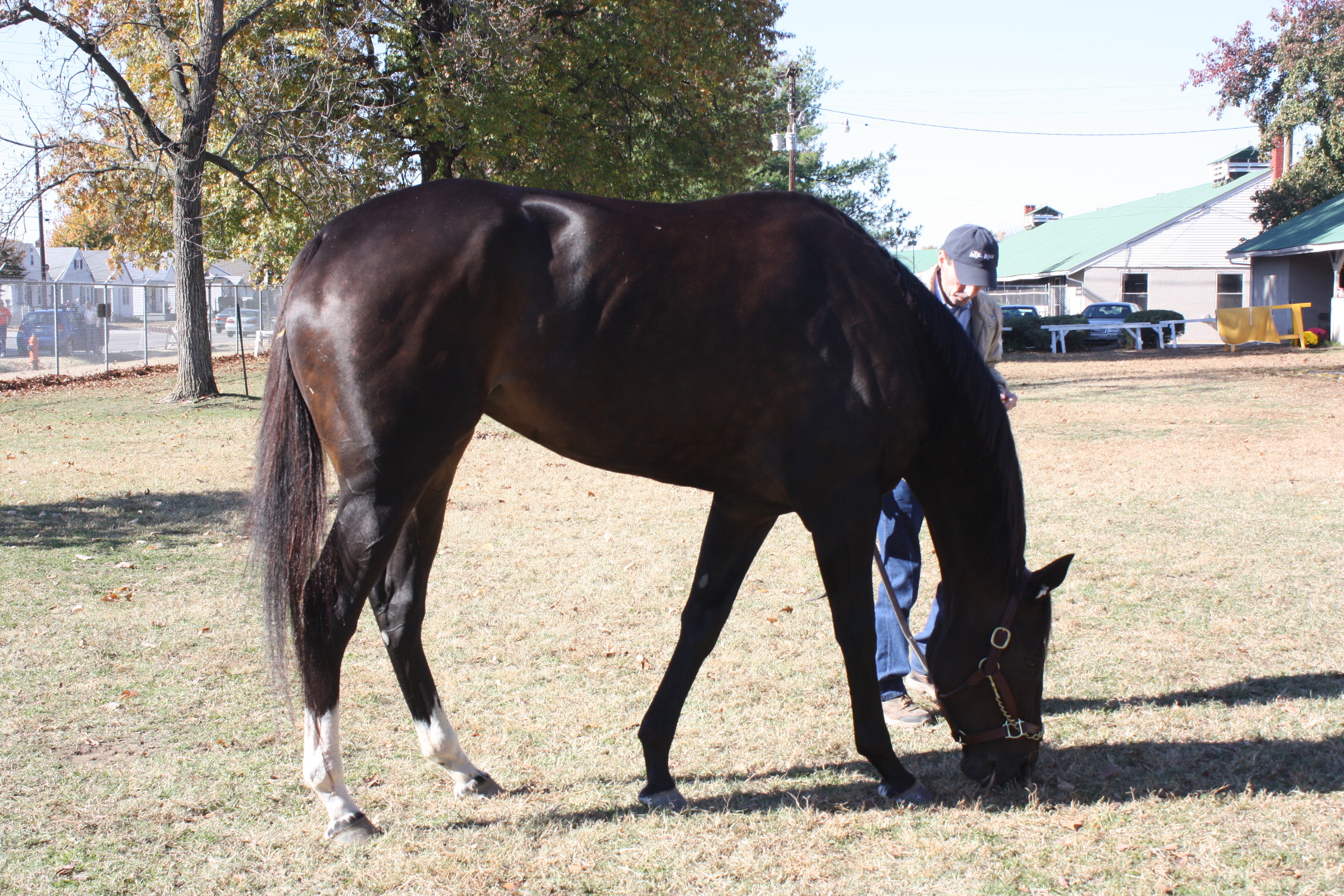
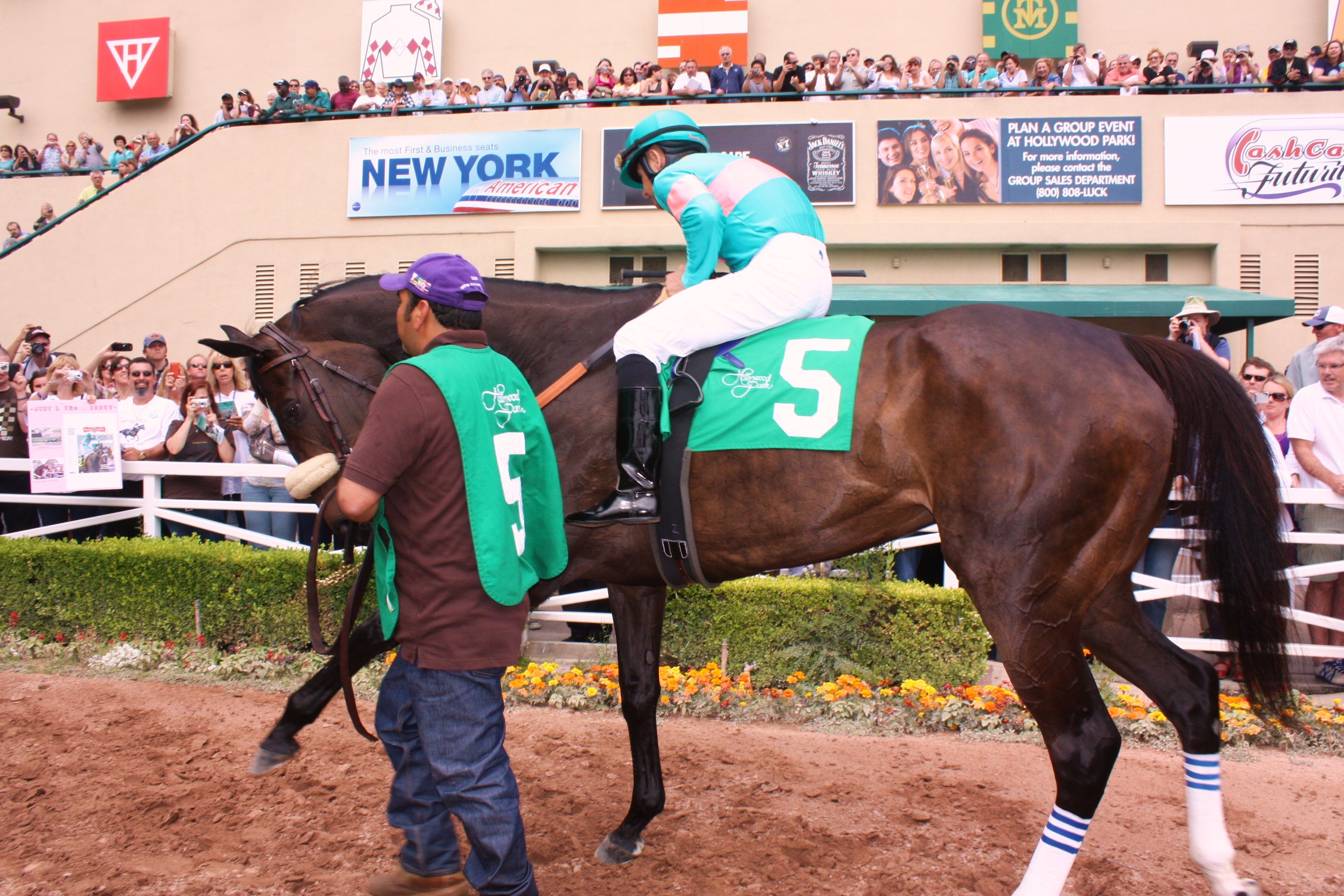 Zenyatta was the horse that took me on a journey that traveled in moments, rather than minutes on a race track. And, when she retired, I wondered if I would ever see a horse that could follow in her dizzying footsteps. I had just seen my once-in-a-lifetime racehorse. The possibility of her coming around twice didn’t seem plausible.
  You saw it in Rachel Alexandra.
 You saw it in Zenyatta.