 Every now and then, a remarkable racehorse can elude you when it is in your direct line of sight.
And, in our home, there are few places to fix your eyes without finding a photo of some racehorse that was a remarkable horse for varying reasons, ranging from claimers to Triple Crown Winners.
It makes it hard to see the forest through the trees at times, especially when a big red oak like Secretariat has a photo of his Belmont stretch run posted squarely in the middle of the room.
When I think of the Belmont, my mind immediately drifts toward Secretariat and his 31-length victory. The photo of that moment has been hanging in the same spot for years, and, I never dream of moving it. In my view, it is a perfect snapshot of the level of otherworldly talent that deserves the honor of the Triple Crown.
 Yet, this year, as two jewels of the Crown divided in the Kentucky Derby and Preakness, I was left to ponder the importance of the achievement of winning the Belmont when there is no Triple Crown in contention. And, as I stared at my pictures of beloved Triple Crown winners, another remarkable horse emerged to answer my question of the importance of the Belmont when there is no Triple Crown at stake this season.
A picture of Summer Bird and my husband emerged from the tapestry of photos hanging around the house. In the photo, they are walking together in the grass like two old pals on a Sunday outing. My husband has a look of admiration on his face as he is watching Summer Bird toss his head in the air without a care in the world.
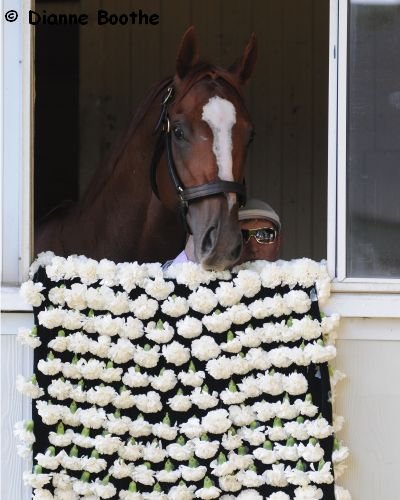
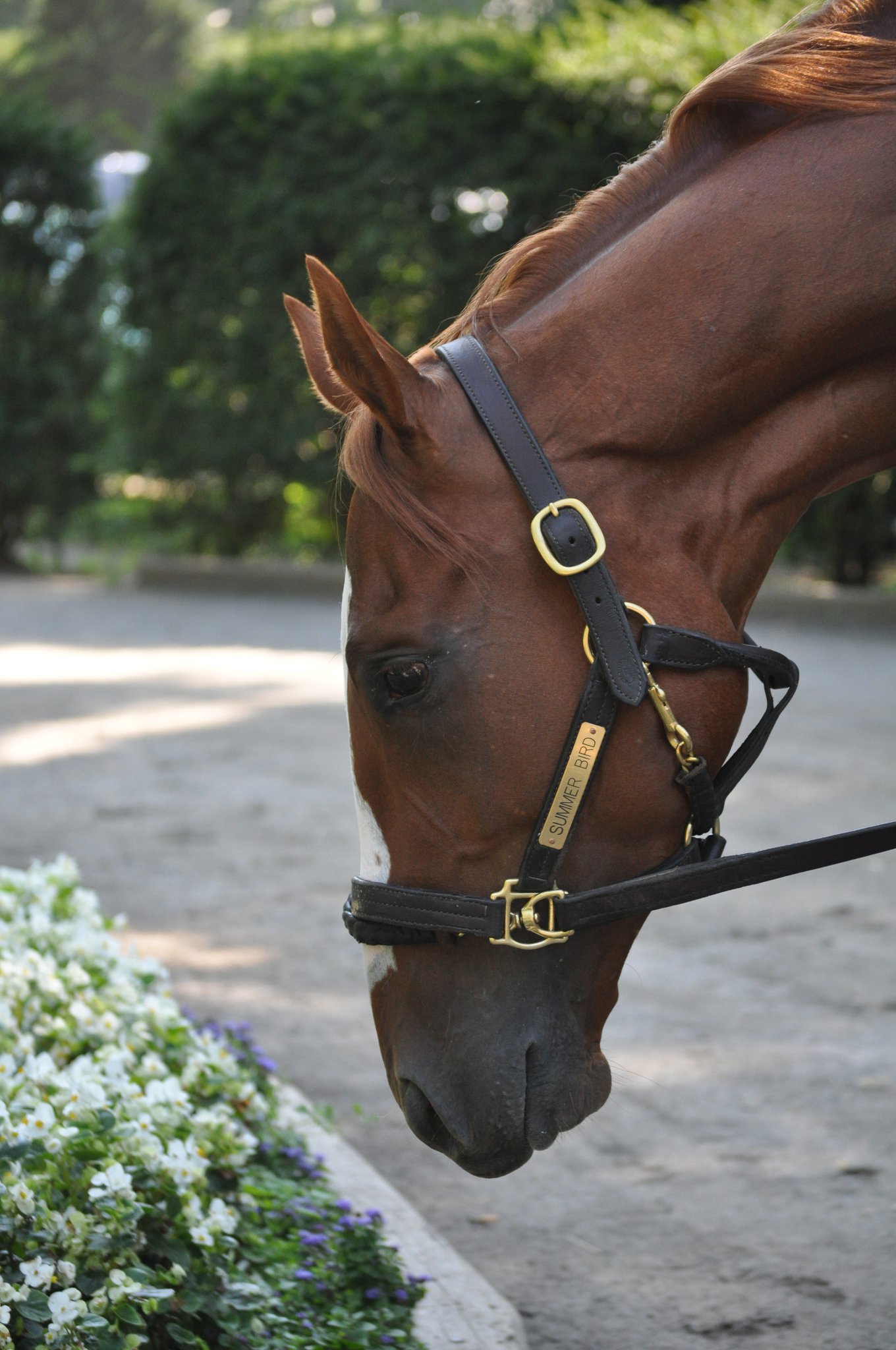
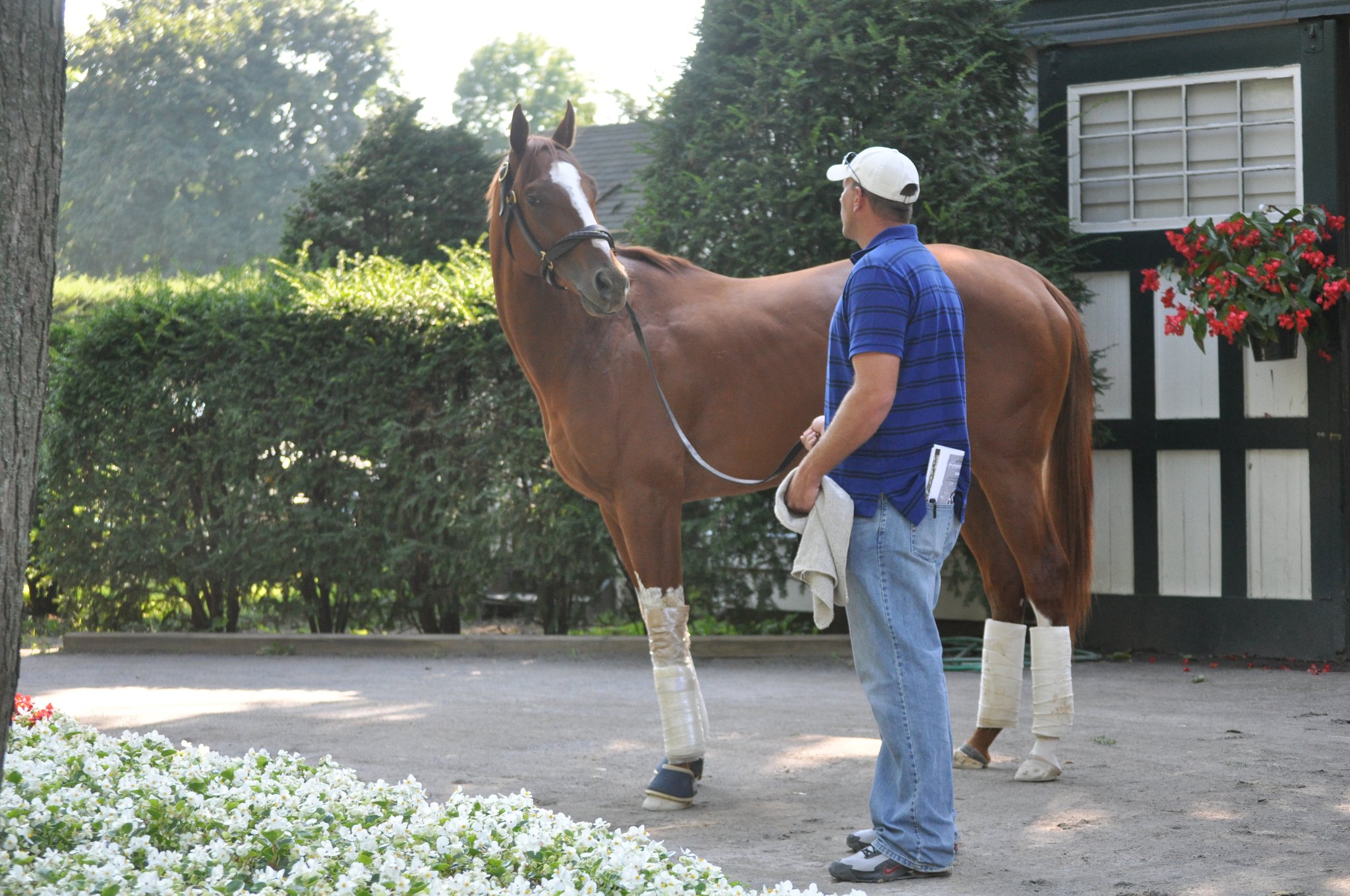 While I looked around the room at the array of racehorse photos, Summer Bird continued to peek out in various situations. In one photo, the big Chestnut is stopping to smell the flowers at Saratoga before the Travers Stakes. In another snapshot, Summer Bird is staring down my husband while he grins back at the horse, beaming with joy. And, in a final picture, Summer Bird is sniffing his new blanket of white carnations after he just won the Belmont in 2009.
As it turns out, Summer Bird’s items are such a fixture in our house that I barely even notice him anymore. He has his trophies positioned in the dining room, saddle towels in various frames and his halter hangs quietly on the kitchen wall from his start in the Kentucky Derby. On any ordinary day, I just live with his things. His presence is barely noticeable on a conscious level.
Yet, on this particular day, Summer Bird took center stage in my mind as the Belmont approaches and there is no Triple Crown in contention. I looked at my husband, Trainer Tim Ice, studying the Daily Racing Form across the room in perfect tranquility.
Unbeknownst to him, he was about to get bombarded with questions from his wife about the personal importance of Summer Bird capturing a lone jewel in the Triple Crown.
I turned to him and asked, “What do you think is the importance of the Belmont without a Triple Crown in play?” He looked up and replied without much thought, “It’s the oldest race in the Triple Crown series and the first time that a three-year-old horse is asked to run a mile and a half.”
In his mind, the matter was closed.
Yet, it wasn’t closed at all in my mind. I shot back, “What about when you went to the Belmont with Summer Bird. How did you feel when you realized he had won the race?” He looked up at me and considered his answer more carefully this time around.
He gave a humble smile and answered, “When Summer Bird got clear in the stretch, I stood watching and said to myself, ‘Oh my God. He’s going to win the Belmont.’”
His description of the moment seemed to prove the magnitude of the race in its own right and the glory that falls upon any horse that claims the final jewel.
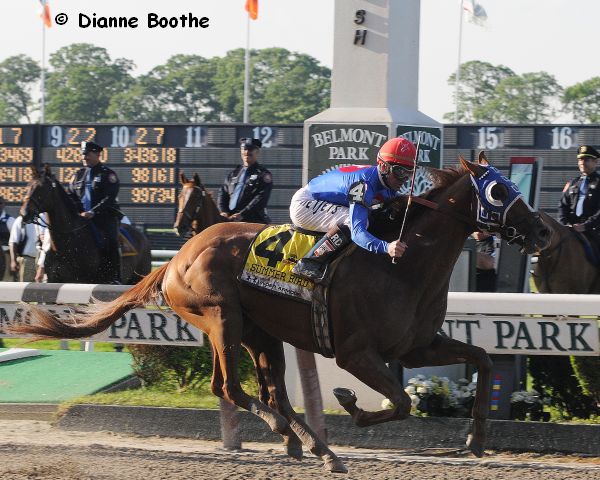 Then, I looked over at the Belmont trophy that sits in our home. Suddenly, it stood out as I considered the moment Summer Bird earned that trophy as he shot out from the pack to claim his victory in the Belmont Stakes.
I also considered the other Belmont-winning horses, whether they won the Triple Crown or solely the final jewel in the Belmont, and was awestruck by the idea that all of the winners stood next to same trophy.
A Triple Crown trophy itself, in any race of the series, holds something sacred. They are holding the same trophy that all Triple Crown winning teams stood next to at some point in racing history.
It occurred to me that holding a single jewel of the Triple Crown makes a horse a king, even if it is just for a day, whether they hold all three gems or a lone jewel. And, for those who have stood in the winner’s circle in any Triple Crown race, it appears that the moment lasts long beyond the winning garland.
It lasts a lifetime.
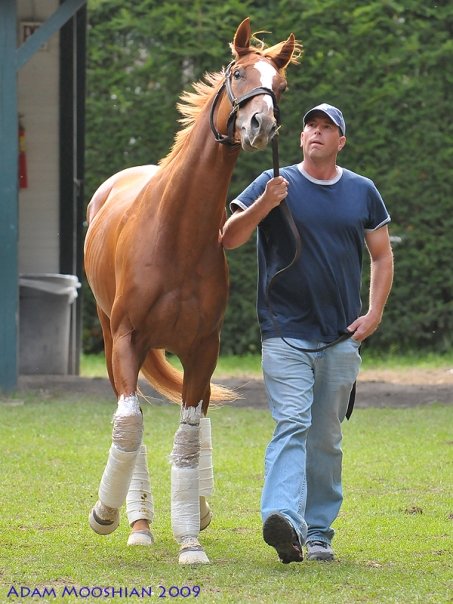 I considered the original picture on the wall, the two of them walking side-by-side, without a care in the world. And, I had to ask, “What was it about Summer Bird that made you so happy?”
Tim replied without any hesitation, “Just being with him made me happy. You see, I wasn’t just his trainer. I was a fan of him.”
And, in retrospect, it seems that Summer Bird was just as happy to be walking side-by-side with his friend and admitted fan, whether they were en route to a race or simply enjoying an ordinary day.
In a recent trip to Kentucky, we visited Summer Bird at Paul’s Mill Farm. And, that morning, the portrait of the friendship between the two standing side-by-side was brought to life before my eyes.
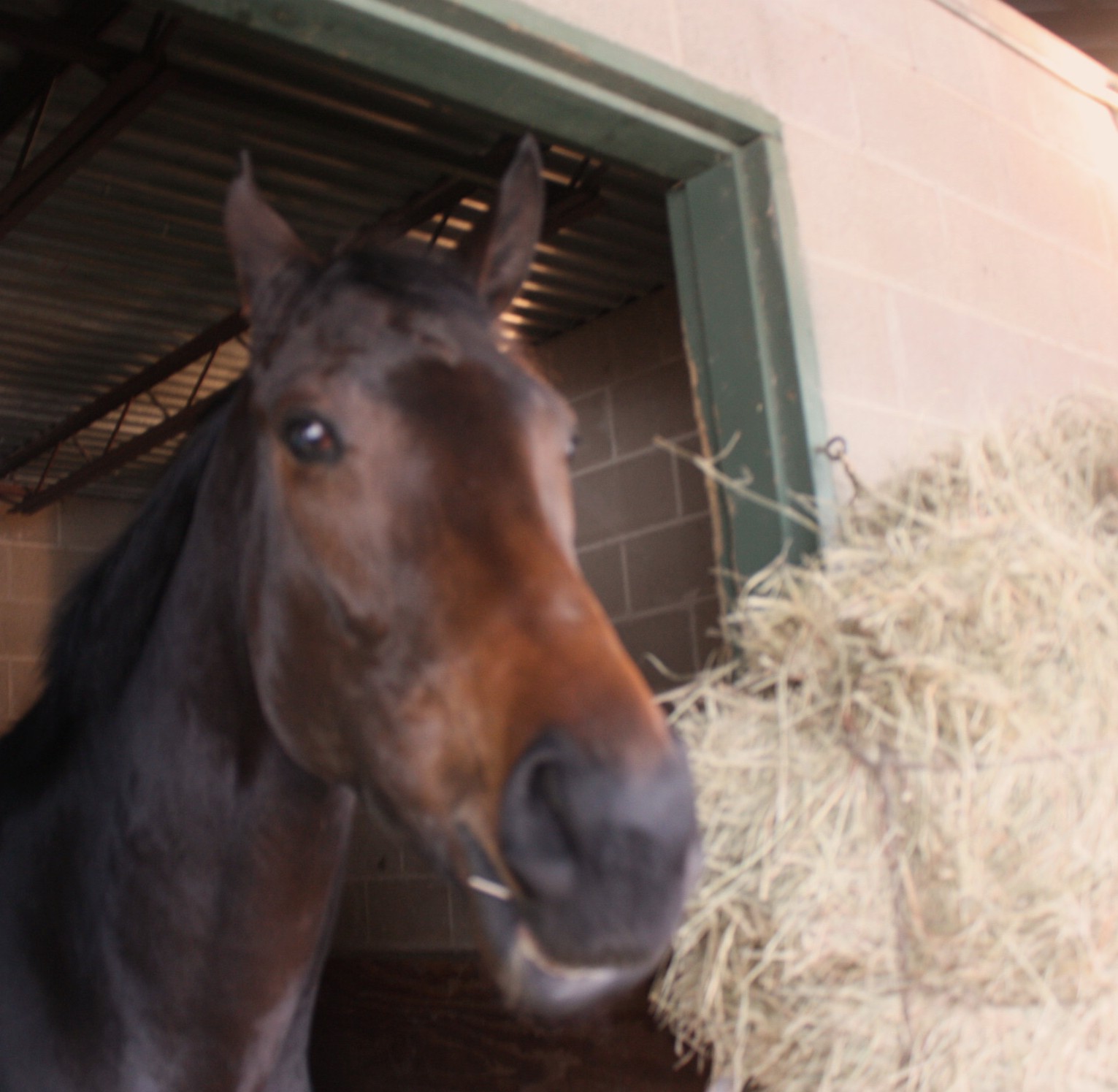
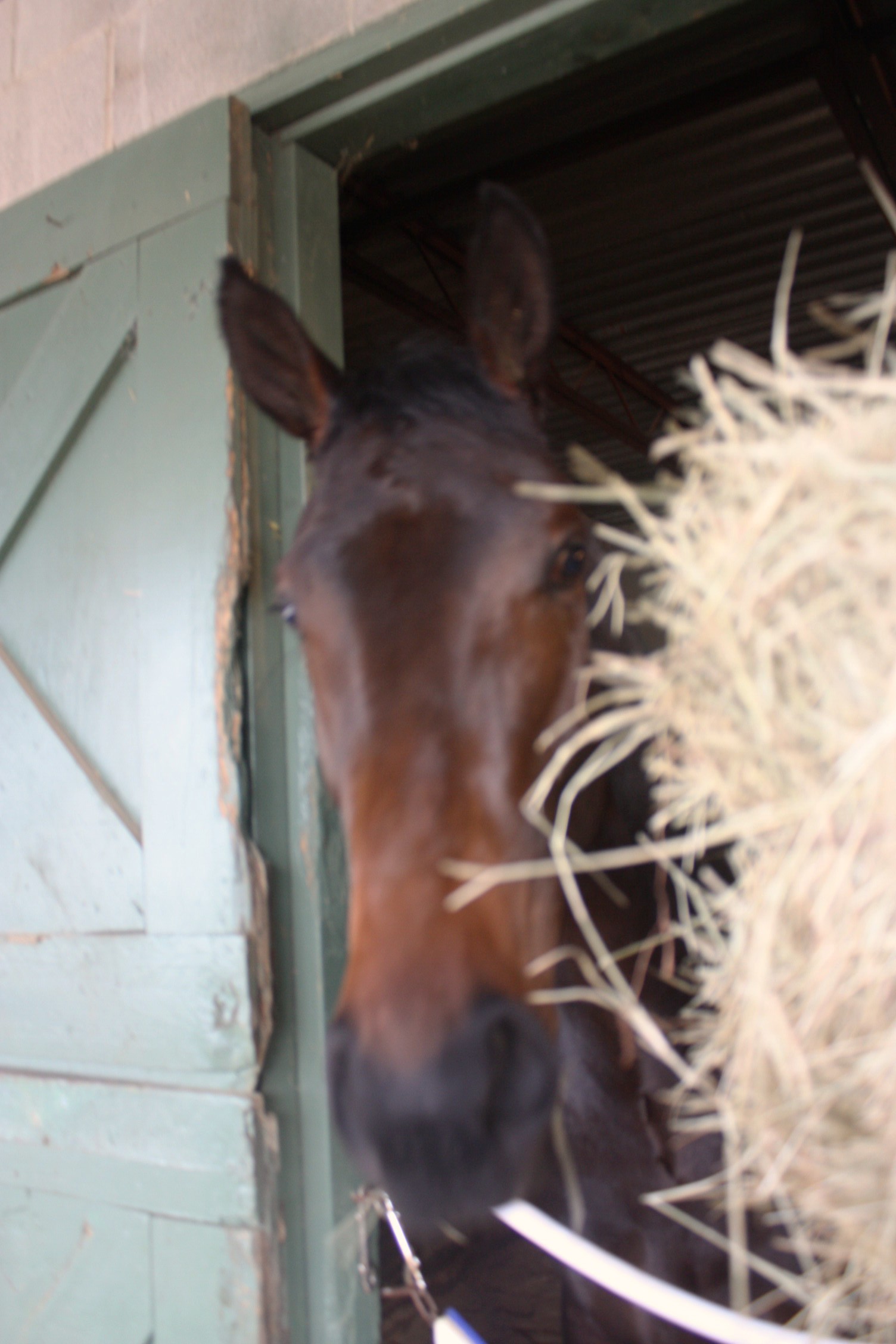
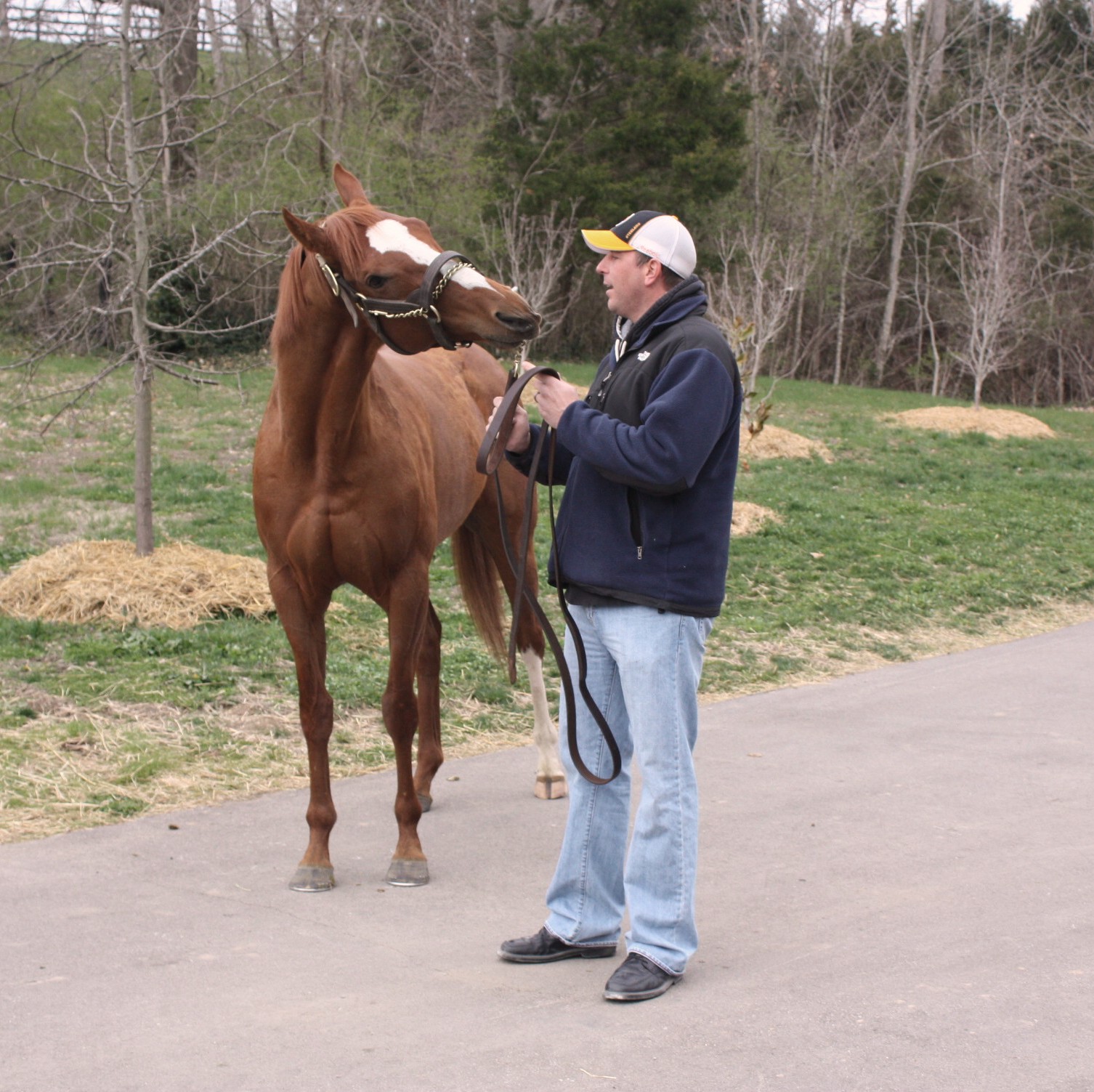 There is no doubt that Summer Bird recognized his old friend when his former trainer entered his sight. It was as if they maintained a repertoire with each other that outlasted the stallion’s racing career. Summer Bird was downright giddy and appeared to bask in moment the two of them took a walk together outside of the barn. It was as if the photo in our home had come alive for a brief moment in time.
As we left the stable that morning, the Champion made a long noise as he watched his old friend walk away. I asked Tim, “Do you think he recognizes you?” And, in an easy reply, he answered, “I think he recognizes me. We spent a lot of time together.”
I replied, “Did you hear him make that noise at you?”
Tim laughed, “Yes. He was hollering at me.”
I joked, “What did he holler at you?”
Tim smiled and said, “He hollered that he would love to race again.”
And, as we walked away, it appeared that the two of them would never forget the day they captured a jewel in the Belmont.
PHOTO CREDITS:
Summer Bird with Carnations. Photographer: Dianne Boothe. (Website: http://www.nyraracingphoto.com)
Summer Bird at Saratoga with Flowers. Photographer: Cathleen Duffy. (Website: http://www.thehorsewhisper.com)
Summer Bird Winning Belmont. Photographer: Dianne Boothe. (Website: http://www.nyraracingphoto.com)
Summer Bird and Tim Ice Staring at Each Other in Stable Area. Photographer: Cathleen Duffy. (Website: http://www.thehorsewhisper.com)
Summer Bird and Tim Walking With Each Other. Photographer: Adam Mooshian. (Website: http://www.adammoosh.com)